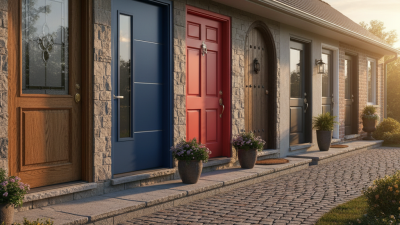
What Are the Best Types of Front Entrance Doors in 2026?
Choosing the best front entrance doors in 2026 means balancing appearance, security, insulation, and upkeep. A door is not just a feature in a listing photo. It faces rain, direct sun, muddy shoes, and daily use. The right choice depends on your home, local weather, budget, and how much maintenance you can manage.
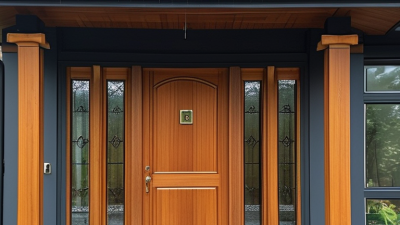
Fiberglass doors suit homeowners seeking good insulation and a lower-maintenance surface. Many designs resemble painted or stained wood, though the finish and feel vary by product. Steel doors can offer sturdy construction and value, but exposed edges may need care to help prevent corrosion. Wood brings natural grain and warmth to an entryway. It can also require regular finishing, especially where sun and moisture are persistent. No material wins in every situation.
Look beyond the brochure. Check the door’s frame, weatherstripping, glazing, hardware, and published performance details. A well-made slab can still underperform if it is poorly fitted. Ask qualified installers about local climate, threshold drainage, and the manufacturer’s warranty. Compare complete installed prices, not just the door itself.
Details matter.
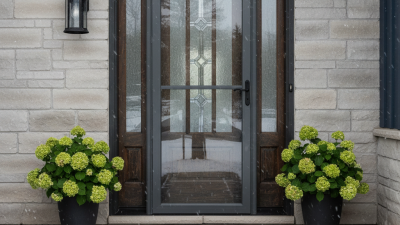
A narrow glass panel can brighten a dim hallway, while a solid design may suit a more private entrance. Before choosing, measure the opening and consider how the door will feel in daily use. Product claims can be difficult to compare, and ratings depend on testing conditions. That deserves a closer look. In this guide, we’ll compare popular front entrance doors and explain which features are worth prioritizing in 2026.
How Front Entrance Doors Are Classified by Material and Construction
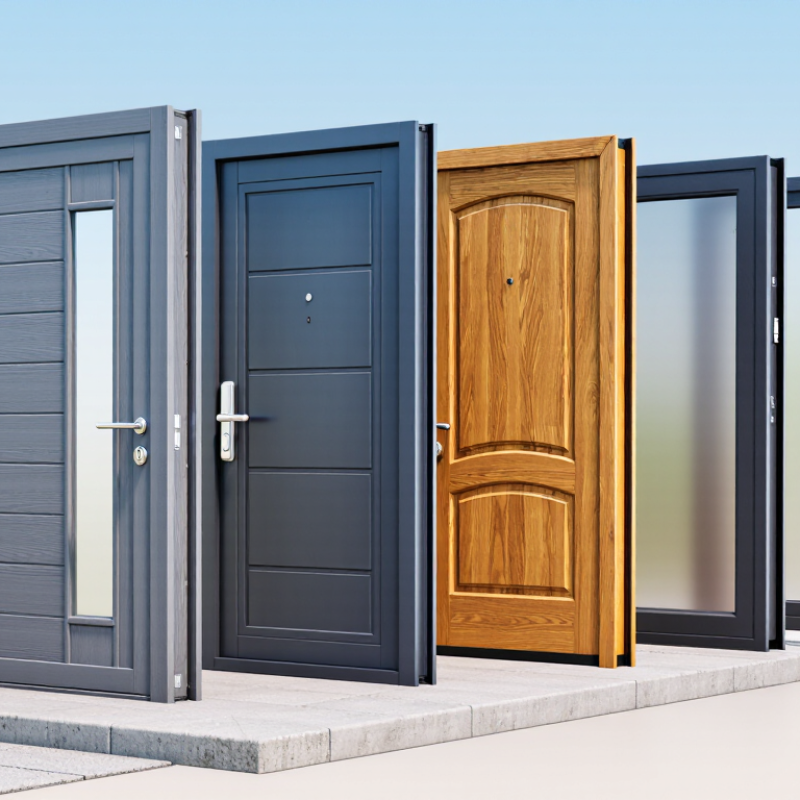
Front entrance doors are commonly classified by both material and construction. These categories describe different things. Material affects weight, insulation, upkeep, and resistance to weather, while construction shapes appearance and how the door fits its frame.
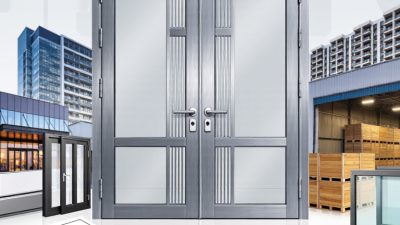
Wood doors offer natural grain and can be made with raised panels or a flat, flush face. They may need periodic sealing, especially where rain reaches the lower edge. Steel doors often use an insulated core beneath a metal skin; check the finish and edges for damage that could expose the surface. Fiberglass doors can imitate wood grain and resist moisture, though quality and insulation vary. Aluminum is another option, often used in glazed designs, but thermal performance depends on the full assembly.
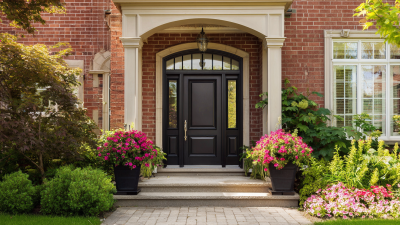
Construction includes the door slab alone or a prehung unit supplied with its frame and hinges. Panel doors use rails and stiles around recessed or raised sections, while flush doors have a simpler, flat surface. Glazing can brighten a shaded entry, but also changes privacy and heat transfer. That distinction matters. It is easy to focus on the finish and overlook the frame, threshold, and weatherstripping. A careful check of how the door closes, seals, and meets the sill can reveal more than a quick look at its surface.
Front Entrance Door Materials: Typical Thermal Conductivity
A material-level comparison in W/(m·K). Lower conductivity means less heat is conducted through that material itself.
How to read this: Timber, uPVC and fiberglass composites typically conduct less heat than metal. These are approximate values for the materials, not whole-door ratings. Door construction—such as a solid or insulated core, glazing, and thermal breaks—also affects overall energy performance.
Key Performance Features That Define a Quality Entrance Door
A quality entrance door should keep indoor temperatures steady, block drafts, and close securely without sticking. The U.S. Department of Energy estimates that windows account for 25–30% of residential heating and cooling energy use. That figure concerns windows, not doors, but it shows why weak points in the building envelope deserve attention. Small gaps matter. Compare NFRC-rated U-factors: lower values indicate less heat transfer. Check the frame and threshold too, since a highly insulated slab cannot compensate for a leaky perimeter.
Steel, fiberglass, and insulated wood can all perform well when construction and installation are sound. Fiberglass resists moisture and dents less easily than some finishes suggest, but it can still crack under impact. Steel often offers a strong, insulated core, though damaged coatings may invite corrosion. The AAMA/WDMA/CSA 101/I.S.2/A440 standard evaluates fenestration products for air leakage, water penetration, and structural performance. Ask whether the tested configuration matches the door’s size, glazing, and hardware. Looks can mislead.
Security and weather resistance depend on the whole assembly. A reinforced frame, properly anchored hinges, and a deadbolt with a solid strike area help resist forced entry. Inspect weatherstripping for continuous contact, especially at the bottom corners. I would test the latch and check the threshold after installation; small alignment errors are easy to miss in a showroom. Good ratings help, but workmanship still matters.
Comparing Wood, Fiberglass, Steel, and Composite Door Types
Choosing a front door means weighing upkeep, insulation, security, and appearance. Wood offers natural grain and can be repaired, but exposed edges need regular paint or stain. A shaded porch helps; direct rain and sun can speed wear. Fiberglass resists moisture and dents, and textured finishes can resemble wood. It is not damage-proof. Deep scratches may be difficult to repair.
Steel doors are often practical and strong, though dents and damaged coatings can expose the metal to rust. Composite doors combine materials, so performance depends on their construction and seals. Check the full assembly, not just the slab. The U.S. Department of Energy recommends looking for insulated cores and tight weatherstripping; NFRC ratings can help compare product energy performance. In Remodeling magazine’s 2024 Cost vs. Value report, steel entry-door replacement averaged $2,355 and an estimated $4,430 in resale value, or 188.1% of project cost recouped. That is a national estimate, not a guaranteed return. Fit matters, too. A poorly sealed premium door can still let drafts curl around the frame.
How Climate, Security, and Maintenance Affect Door Choice
Climate should shape the door before appearance does.
In wet regions, a fiberglass or well-finished steel door can tolerate moisture better than untreated wood, though the frame and threshold still need sound seals. The EPA’s Climate Change Indicators report found that very heavy precipitation increased 55% in the Northeast and 42% in the Midwest since 1958. That makes a covered entry, intact weatherstripping, and a sloped sill practical details, not decoration. Small gaps matter. Check the lower corners after hard rain; water there can signal a failed seal, not a door-material problem.
Security depends on the whole assembly.
A solid slab helps, but a reinforced strike area, long fasteners, and a properly anchored frame matter too. A multi-point lock is useful only when the door closes squarely. For exposed coastal or storm-prone sites, consider tested impact resistance and local wind requirements; ordinary glass sidelights may be a weak point. Maintenance is the trade-off: wood can be repaired and refinished, but needs regular coating checks, while steel may dent and fiberglass can be harder to patch invisibly. The 2024 Cost vs. Value report estimated a 188% resale-value return for a steel entry-door replacement. That is a remodeling estimate, not a durability or security test. Numbers help, but they cannot tell you how much afternoon sun hits your porch.
Selecting a Front Entrance Door for Your Home in 2026
Selecting a front entrance door in 2026 starts with your home’s exposure, not a trend.
Notice how much afternoon sun, wind, and rain reach the entry. A south-facing door may fade or heat up, while a shaded, damp porch can challenge some finishes. Small details matter.
Fiberglass is a practical option when you want insulation and less routine upkeep. Steel can offer a sturdy feel, though dents and scratches may need prompt attention. Wood brings natural grain and warmth, but usually needs regular sealing or repainting. None is maintenance-free. Even a well-made door can underperform if it is poorly fitted.
Check the frame, threshold, weatherstripping, and lock together. Gaps can let in drafts and water, so measure the opening carefully and ask an experienced installer to check the frame before ordering. For glass panels, consider privacy, sunlight, and the entry’s orientation; decorative glazing can still affect comfort. Look for clear performance information, including insulation ratings suited to your climate. There is no perfect material for every house. I would weigh upkeep honestly, because a finish that looks easy in a showroom may feel different after several winters.