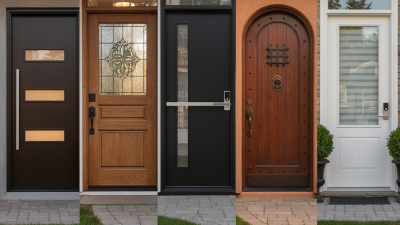
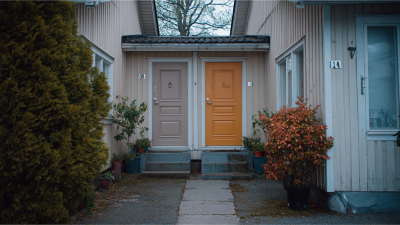
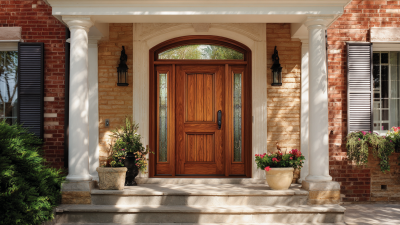
2026 Best Doors and Windows for Global Buyers to Consider?
As the global market for doors and windows continues to evolve, buyers must remain informed about the best options available. Industry expert Michael Carter, a leading architect in sustainable building design, emphasizes, "Choosing the right doors and windows can redefine the functionality and style of any space." With increasing attention on energy efficiency and aesthetic appeal, the year 2026 presents a unique opportunity for homeowners and designers alike.
Selecting quality doors and windows is not merely a decision about materials. It reflects a commitment to comfort, security, and beauty in living spaces. For instance, modern innovations allow for enhanced thermal performance. This has led to a surge in the popularity of triple glazing systems. However, with so many choices, buyers may feel overwhelmed. It's crucial to assess not only design but also manufacturability and long-term value.
Potential buyers often overlook details like frame material and insulation properties. This oversight can lead to regrets down the line. An informed decision will balance entre aesthetics, functionality, and sustainability. Thus, approaching this choice with care is vital. In the end, doors and windows play a significant role in shaping our living environments and should not be treated lightly.

2026 Top Trends in Doors and Windows for Global Markets
As global markets evolve, key trends shape the future of doors and windows. Sustainability remains a critical focus. According to a recent industry report, over 60% of consumers prioritize eco-friendly materials. Manufacturers are exploring recyclable options to meet this demand. This shift not only reduces waste but also appeals to environmentally conscious buyers.
Another trend is the rise of smart technology integration. Features such as smart locks and automated operations are gaining traction. A report highlighted that smart doors could see a market growth rate of around 25% by 2026. Consumers favor convenience and security. However, this rapid advancement may leave some buyers overwhelmed. It raises questions about usability and reliability.
Lastly, aesthetic appeal plays a vital role in consumer choices. Many buyers seek doors and windows that enhance home design. Reports indicate that custom designs are becoming popular, especially among millennials. This trend reflects a desire for personalization and uniqueness. Yet, the increasing options can lead to decision fatigue. Balancing functional needs with aesthetic desires poses a challenge for many.
In 2026, these trends will significantly impact global buying behaviors. Understanding these dynamics is crucial for stakeholders in the industry.
2026 Best Doors and Windows for Global Buyers to Consider
| Dimension |
Material Type |
Energy Efficiency Rating |
Design Style |
Market Trends |
| Standard (80"x36") |
Fiberglass |
A+ Rating |
Modern |
High Demand for Sustainability |
| Custom (72"x80") |
Vinyl |
A Rating |
Transitional |
Increased Focus on Smart Features |
| Oversized (96"x42") |
Wood |
B Rating |
Rustic |
Emerging Trends in Customization |
| Sliding (80"x80") |
Aluminum |
A++ Rating |
Contemporary |
Growing Preference for Low Maintenance |
Key Features to Look for in 2026 Doors and Windows
In 2026, global buyers should prioritize energy efficiency when choosing doors and windows. According to the International Energy Agency, buildings account for 40% of global energy consumption. High-quality insulation in windows can reduce energy costs by up to 30%. Look for double or triple-glazed options that minimize heat loss.
Another essential feature is durability. Windows and doors exposed to harsh weather conditions need advanced materials. Fiberglass and vinyl are less prone to wear than traditional wood. A study by the American Society for Testing and Materials found that windows made with these materials have a lifespan of over 30 years.
Tip: Consider investing in smart technology. Smart windows can adjust tint based on sunlight. This innovation can enhance comfort and reduce heating and cooling demands.
Also, assess local climate factors before making a decision. Certain features might be less effective in milder areas, leading to a waste of resources. Finding the right balance between cost, aesthetics, and practicality is crucial. Remember, not every window or door fits all environments.
Sustainable Materials in Doors and Windows for Eco-Friendly Buyers
Sustainable materials are crucial in the doors and windows market. Reports indicate that eco-friendly materials are preferred by over 70% of buyers. This shift reflects a growing awareness of environmental impacts. More buyers seek options that reduce carbon footprints.
Many manufacturers are incorporating reclaimed wood, recycled glass, and aluminum. These materials often consume less energy in production. Studies show that 30% of new windows now use energy-efficient glass. This can lead to savings on heating and cooling costs. Yet, not all companies prioritize sustainability. This inconsistency complicates the buyer's journey.
Buyers should consider certifications like Energy Star and FSC. These indicators can establish credibility. However, some products may falsely claim sustainability. Verifying sources is essential. Not all sustainable practices are clearly defined. Therefore, it is wise to investigate beyond labels. Understanding the difference between genuine eco-friendliness and greenwashing is key for informed decisions.
Comparative Analysis of Global Door and Window Brands in 2026
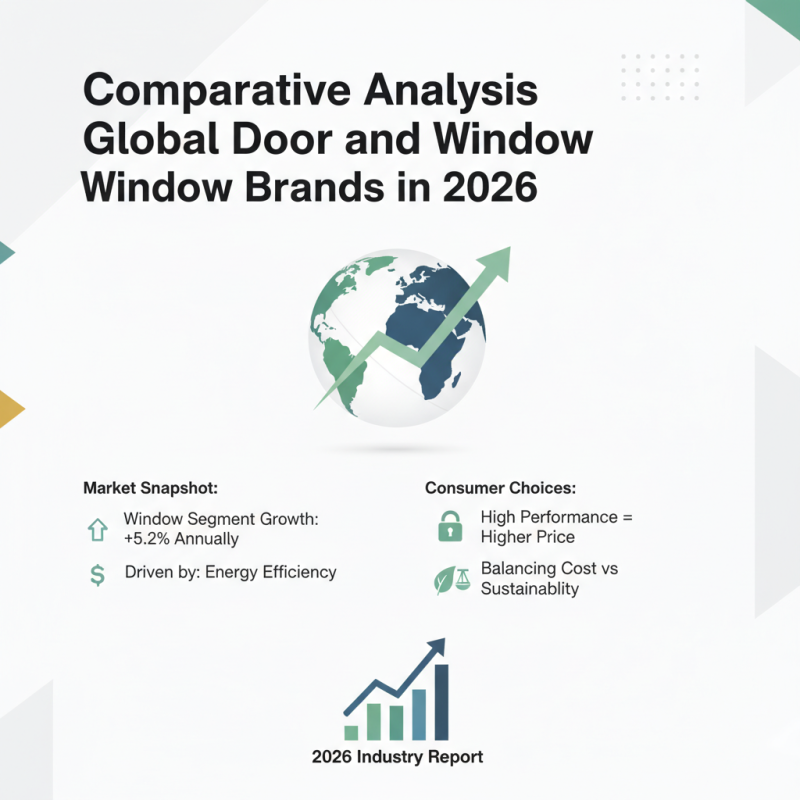
The global door and window market is shifting rapidly. In 2026, buyers must compare a variety of brands to make informed decisions. According to the latest industry report, the window segment is projected to grow by 5.2% annually, driven by increasing demand for energy-efficient solutions. However, high-performance products often come with a higher price tag, leading consumers to weigh cost against sustainability.
Changing consumer preferences also play a significant role. A survey showed that 68% of homeowners prioritize aesthetics alongside functionality. This trend reflects a broader industry move toward customizable designs. While vast options present opportunities, they also complicate decision-making. Many buyers feel overwhelmed, unsure about what will fit their needs best. It’s crucial for consumers to seek expert advice and not rush into purchases based solely on appearance or initial features.
Data suggests that the quality of materials used is essential for longevity. A reported 30% of buyers experienced issues related to durability after just five years of use. This statistic highlights the importance of researching reliable sources and looking beyond flashy marketing. In this evolving marketplace, making choices based on comprehensive analyses rather than impulse will lead to better long-term satisfaction.
Consumer Preferences and Buying Trends in the Global Market for Windows and Doors
In recent years, the global market for windows and doors has shown remarkable growth. Insights from industry reports reveal a 5% annual growth rate, with consumer preferences evolving significantly. Buyers increasingly favor energy-efficient solutions, driven by rising energy costs and environmental awareness. A survey by the International Energy Agency highlights that nearly 70% of consumers prioritize energy efficiency in their purchasing decisions.
The aesthetic appeal of windows and doors also plays a crucial role. Modern designs that blend functionality with visual appeal are in high demand. Reports indicate that over 60% of buyers consider style alongside efficiency. However, many consumers overlook crucial installation details, leading to performance issues. It’s essential to ensure that the chosen options fit well during the fitting process.
Tips: When selecting windows and doors, look for certification labels. These can verify energy efficiency and safety standards. Always consider the long-term benefits over initial costs. Reflect on your specific needs: aesthetics, efficiency, or durability? Each factor influences your final decision and can lead to a more satisfying purchase. Remember to research different materials that may offer better resilience.
2026 Best Doors and Windows for Global Buyers to Consider