How to Choose the Best Residential Front Doors for Your Home?
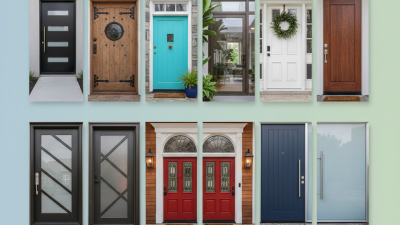
Choosing the right residential front doors can significantly impact your home's curb appeal. They serve not only as the entryway but also as a statement of your style. The door you select may influence how guests perceive your home.
When considering residential front doors, think about materials, design, and security features. Wood, fiberglass, and steel offer diverse aesthetics and durability. Each choice has its pros and cons, influencing maintenance and thermal efficiency.
Don't rush the decision. Take your time to reflect on what fits your home best. It's easy to overlook details like color and hardware. Look for options that reflect your personality while enhancing safety. You want something that looks good but also lasts.
Factors to Consider When Selecting Residential Front Doors
Choosing residential front doors requires careful thought. Several factors are crucial in this decision-making process.
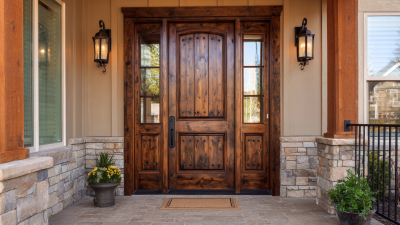
Start by considering material. Wooden doors can add warmth and character, but they require maintenance. Metal doors are sturdy and secure, yet they might lack aesthetic appeal. Weigh these options based on the climate and exposure your door will face. Also think about energy efficiency. A well-insulated door can help reduce energy bills. Look for doors with good R-values and energy-efficient glass.
Next, security features cannot be overlooked. A sturdy door frame and high-quality locks offer peace of mind. Check the ratings for different door types. Also, don’t ignore style; it should complement your home’s architecture. The color and finish can enhance curb appeal. Try to envision how different styles might blend with your existing exterior. Assess your personal priorities. Balance between security, aesthetics, and budget is essential. Reflect on what matters most to you.
Different Types of Materials for Front Doors and Their Benefits
Choosing the right front door is crucial for your home's security and aesthetic appeal. Various materials each bring distinct benefits. Steel doors, for instance, offer excellent security. According to the 2022 American Housing Survey, 51% of homeowners prefer steel for its durability. These doors often have a high resistance to impact and weather-related damage.
Wooden doors are timeless, offering natural beauty and good insulation. They can be customized to fit any style. However, they require regular maintenance to prevent rotting. A 2023 report from the National Home Improvement Council shows that wooden doors can increase property value by 10-15% if properly maintained.
Fiberglass doors provide balance—they mimic wood's beauty while resisting dents and rust. They boast a long lifespan with minimal upkeep. Upgrading to energy-efficient options can lower heating costs significantly. A survey by the U.S. Department of Energy states that an efficient door can save homeowners up to $200 annually.
Tips: Consider your local climate when choosing a door material. If you live in a humid area, fiberglass may be more suitable. Evaluate your neighborhood; steel doors enhance security in high-crime areas. Always think about the maintenance involved; sometimes, a low-cost option can lead to higher future expenses.
How to Choose the Best Residential Front Doors for Your Home?
| Door Material |
Benefits |
Drawbacks |
Average Cost |
| Wood |
Aesthetic appeal, good insulation, can be customized. |
Expensive, requires regular maintenance (painting/staining). |
$500 - $2,500 |
| Fiberglass |
Energy efficient, durable, low maintenance. |
Less traditional appearance, can be more expensive than steel. |
$1,000 - $3,000 |
| Steel |
Strong, secure, energy efficient, affordable. |
Prone to rust, less insulation compared to wood. |
$300 - $1,200 |
| Aluminum |
Lightweight, rust resistant, customizable. |
Can dent easily, less insulation than wood. |
$400 - $1,500 |
| Vinyl |
Low maintenance, good insulation, various styles available. |
Less durable against extreme weather, can look less appealing. |
$300 - $1,000 |
Understanding Energy Efficiency Ratings for Front Doors
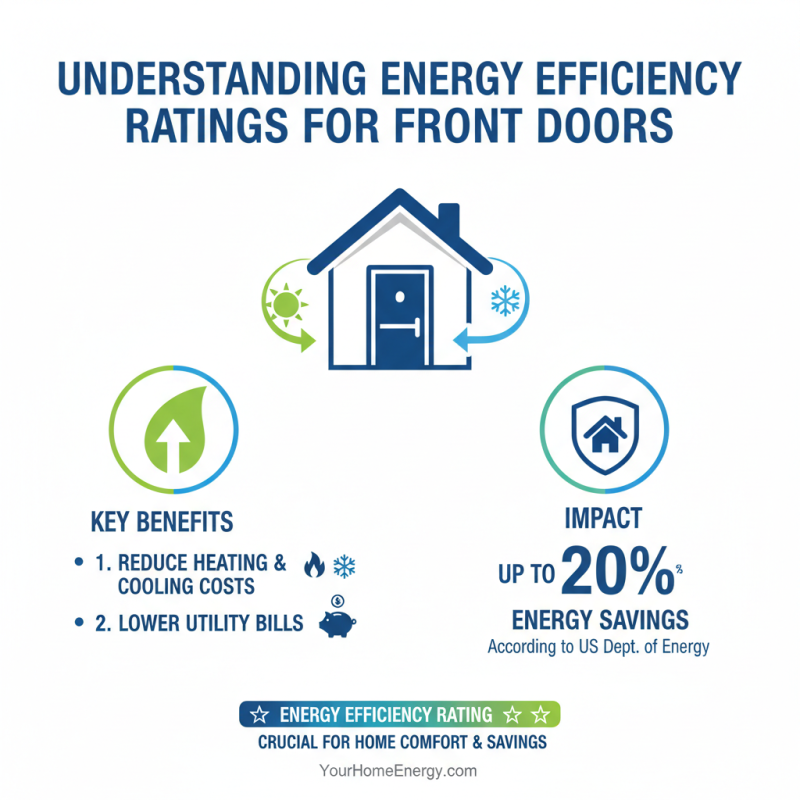
When selecting a front door, energy efficiency is crucial. A door's energy efficiency rating can significantly impact your home's overall energy consumption. According to the U.S. Department of Energy, energy-efficient doors can reduce heating and cooling costs by up to 20%. This is not just about comfort; it enhances energy savings and lowers your utility bills.
Understanding the Energy Star ratings is vital. Doors must meet specific criteria to gain this label. A good choice typically has high insulation values, which minimizes airflow and heat loss. Look for doors with a U-factor of 0.30 or lower. A lower U-factor indicates better thermal performance. Additionally, consider doors with low-E coatings. They reflect heat while allowing natural light to enter, adding warmth in winter and coolness in summer.
**Tips:**
Choose triple glazing for improved insulation.
Inspect the weather stripping for a tight seal.
Consider the door's material; fiberglass offers excellent durability and energy performance.
These elements are essential but may require careful attention. Many homeowners overlook the importance of proper installation. Improper fitting can lead to gaps and drafts, negating energy efficiency. Choosing a door that complements your budget and aesthetic without compromising quality is a balancing act worth considering.
Design and Aesthetic Considerations for Enhancing Curb Appeal
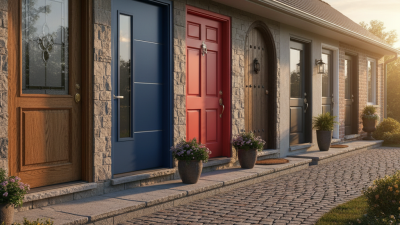
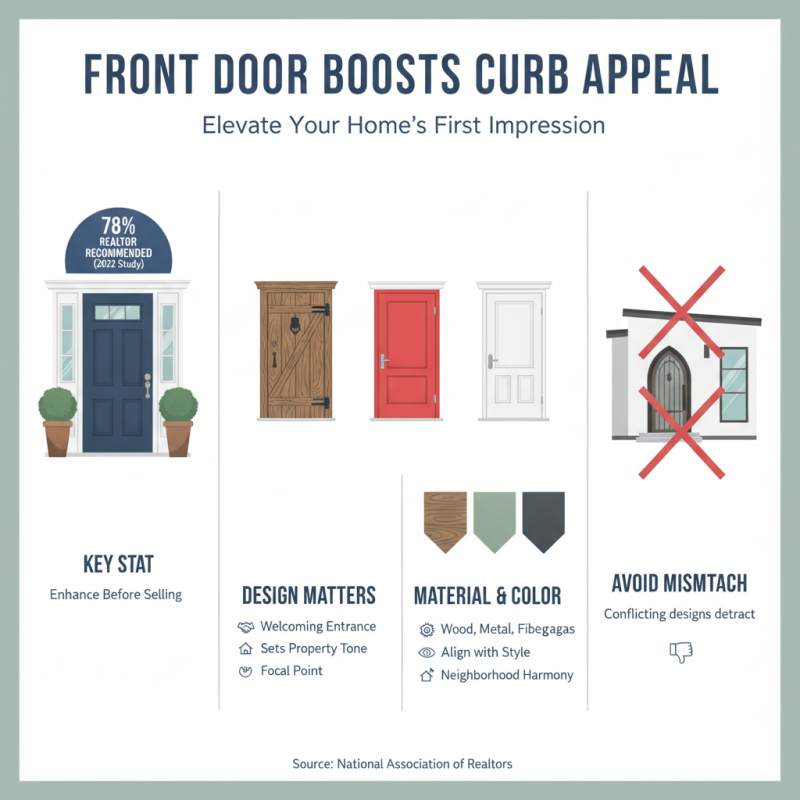
When selecting residential front doors, the design significantly impacts a home's curb appeal. According to a 2022 study by the National Association of Realtors, 78% of real estate agents recommend enhancing curb appeal before selling. A well-designed door can create a welcoming entrance, setting the tone for the entire property. Consider materials, colors, and styles that align with your neighborhood’s aesthetics. The entrance is a focal point, and a mismatched door can detract from your home’s overall appeal.
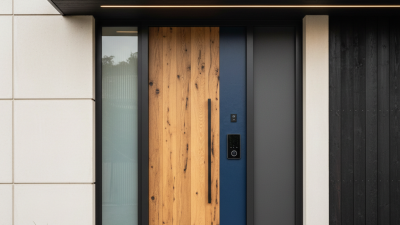
Tip: Choose a door that complements your house's architectural style. For contemporary homes, sleek lines and minimalistic designs work best. For traditional homes, consider classic panels and rich wood finishes. The right choice can elevate your home's charm significantly.
Color also matters. A fresh coat can attract attention and enhance visual interest. A striking hue like deep blue or vibrant red can stand out beautifully against neutral exteriors. However, overly bold colors might clash with surrounding homes. Strike a balance to avoid unintentional discord.
Tip: Use decor elements like wreaths or house numbers. They add character. But be cautious; too many can feel cluttered. Aim for simplicity to maintain elegance. A thoughtfully chosen front door not only boosts curb appeal but can also enhance your home’s resale value.
Security Features to Look for in a Quality Front Door
When selecting a front door, security should be a top priority. A solid door made from durable materials can deter intruders. Look for features like sturdy locks, deadbolts, and reinforced frames. These elements create a formidable barrier against unwanted entry. Keyless entry systems offer convenience and enhance security.
Tips for enhanced security:
- Opt for a door with a 20-gauge steel core. This can withstand significant force.
- Choose a door with multi-point locking systems. They provide better protection than single locks.
- Pay attention to your door's hinges. They should be on the inside to prevent tampering.
Visualize your home’s entryway. A well-designed door doesn’t compromise security for aesthetics. Yet, some homeowners might focus only on looks. This can lead to vulnerability. Consider
composite materials for durability without sacrificing style. A quality door integrates beauty and security
seamlessly.