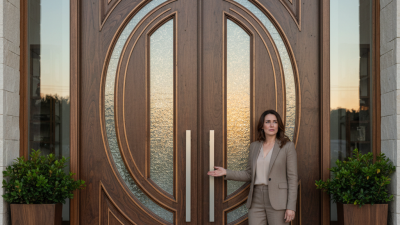
Choosing among the 10 best single front doors requires more than comparing colors and prices. A door that performs well in London may struggle in Dubai, Vancouver, or Singapore. Climate, local installation practices, security expectations, and energy performance all influence the right decision.
Scott Sidler, an architectural conservator and building expert, writes, “The front door is the focal point of your home’s exterior.” That focal point must also withstand daily use. Imagine a solid oak door facing strong coastal rain, or a fiberglass model exposed to intense afternoon sunlight. Materials matter. So do hinges, weather seals, glass quality, locking systems, and frame construction.
This guide examines single front doors for global buyers through practical details. We consider wood, fiberglass, steel, aluminum, and composite designs. We also review thermal insulation, moisture resistance, maintenance demands, accessibility, and visual character. Some doors look impressive in photographs but feel disappointing after installation. Others appear modest yet perform reliably for years.
There is no universal winner. Every home has different walls, weather, budgets, and security needs. That limitation deserves attention. Product availability and certification can also vary between countries, so buyers should verify local requirements before ordering.
The selections below are not based on appearance alone. They reflect balanced performance, credible construction, and everyday usability. Expect useful comparisons, but not perfection. Even the best single front doors need accurate measurements and professional fitting. A beautiful door cannot compensate for a poorly prepared opening.
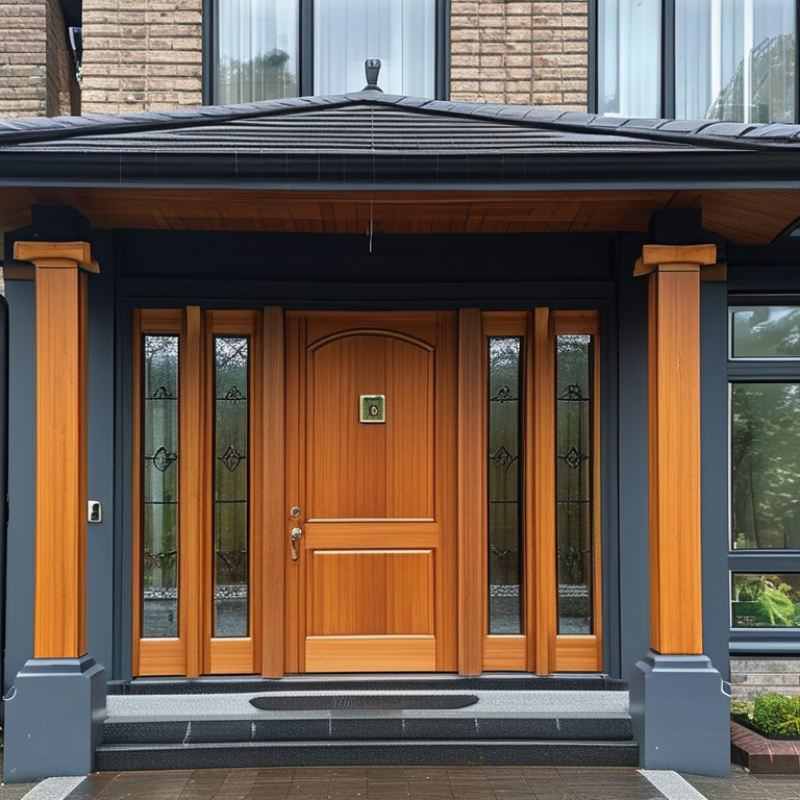
A high-quality single front door begins with fit, not decoration. Accurate measurements should include width, height, wall depth, threshold, and opening direction. Experienced installers also inspect uneven floors and moisture marks before recommending a frame. Small gaps become expensive problems. A door should close smoothly without force, rubbing, or visible daylight around the seal.
Material choice depends on climate, exposure, and daily use. A stable core, weather-resistant skin, and strong hinges help the slab resist warping. In coastal areas, corrosion-resistant hardware matters. In colder regions, insulated construction and a continuous gasket reduce drafts.
Security comes from the whole assembly, including the frame, lock area, hinges, and installation screws. Decorative glass can look impressive, but its safety rating and privacy level deserve equal attention.
Reliable suppliers provide clear specifications, test information, maintenance guidance, and realistic lead times. They should explain tolerances instead of promising a perfect fit for every opening. Ask how the finish handles scratches, sunlight, and repeated cleaning.
I have seen attractive doors fail because installation was rushed. That is an uncomfortable lesson. Even the best panel performs poorly when the sill is poorly sealed or the frame is out of square.
Buyers should review samples, drawings, and local installation requirements before placing an order. A careful inspection after installation can reveal problems while correction is still practical.
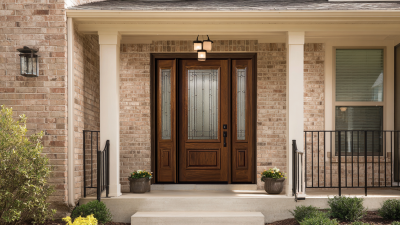
Material choice matters more than appearance when climates change. The IEA’s Energy Efficiency 2023 report links buildings with about 30% of global final energy demand. A well-tested entrance door can reduce drafts, heat gain, and replacement costs.
Fiberglass suits humid, coastal, and high-UV regions because it resists swelling and corrosion. Insulated steel performs well in cold climates, but damaged coatings may expose the core to rust.
Timber offers strong insulation and a warm appearance, yet it needs careful sealing in rain-heavy areas. Aluminum works in hot climates when it includes a thermal break; otherwise, heat can move quickly through the frame.
In practice, no material wins everywhere. Installation often matters more than the door leaf. Check the complete assembly’s U-factor, air leakage, water resistance, and tested wind rating. ISO 10077-1 provides a recognized method for assessing thermal transmittance. Regional testing remains essential.
Tips: Ask for climate-specific test data, not only marketing claims. In freezing zones, inspect the threshold and weather seals closely. Near the coast, choose corrosion-resistant hardware and rinse exposed surfaces regularly. I would still question any “maintenance-free” promise; seals age, and poor drainage eventually creates problems. For hurricanes, wildfires, or extreme heat, local building requirements should guide the final selection.
10 Best Single Front Door Styles for Different Buyer Needs
Choosing a single front door depends on climate, security, maintenance, and architectural character. In my project experience, the best-looking option is not always the most practical one. Measure the opening carefully, including frame depth and threshold height.
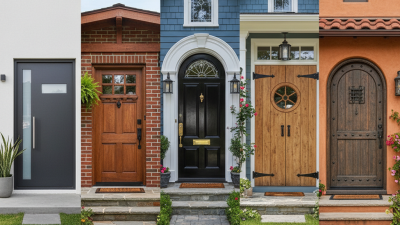
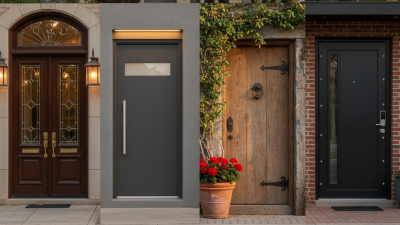
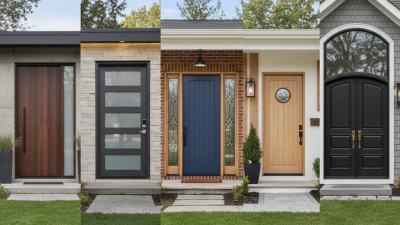
A Craftsman door suits buyers who want warmth and clear glass panels. A six-panel traditional door offers balanced proportions and a familiar appearance. A flush modern door fits minimalist homes and hides visual clutter. A farmhouse door adds texture through panels or restrained grain. An arched door creates a strong entrance statement, but its custom frame can raise installation costs. Check this early.
A full-glass-panel door brings daylight into dark hallways. It needs privacy glass and reliable weather seals. A coastal-style door works well with pale finishes and humid conditions, but porous materials demand regular care. An industrial-style door, often using steel and narrow glazing, supports security-conscious buyers. A low-threshold accessible door helps wheelchair users and older residents move safely. A solid insulated door suits cold or noisy locations, although it may feel less welcoming without side lighting.
Material changes performance. Fiberglass resists moisture and needs limited upkeep. Steel is strong, yet exposed edges can rust if the finish is damaged. Wood feels natural, but I have seen neglected finishes swell around wet thresholds. That detail is easy to underestimate. Verify local wind, energy, fire, and accessibility requirements before ordering.
10 Best Single Front Doors for Global Buyers?
How to Compare Security, Insulation, Durability, and Maintenance
Choosing among the ten best single front doors requires more than attractive panels. Security begins with a rigid frame, reinforced hinges, and a multi-point locking system. Check whether the lock cylinder resists drilling and forced turning. Laminated glass is safer than ordinary glazing, especially near the handle. A strong door can still fail when the frame is poorly anchored.
Insulation depends on the complete assembly, not the slab alone. Compare the declared U-value, weather seals, insulated cores, and thermal breaks. Buyers in cold regions should inspect frost resistance and air leakage ratings. In hot climates, consider solar exposure and the door’s orientation. Small gaps under the threshold can defeat expensive insulation.
Durability changes with climate. Powder-coated metal may suit wet areas, while treated timber needs regular finishing. Coastal homes require corrosion-resistant hardware and careful drainage. Ask about replacement seals, hinges, lock parts, and local service access. Maintenance should be realistic, not idealized. A finish that needs annual care may be ignored after one busy season. Field inspections often reveal this uncomfortable detail: installation quality affects security, insulation, and lifespan more than showroom photographs suggest. Published ratings also deserve scrutiny, because test conditions may not match your home. There is no perfect door.
| Door Type | Typical Construction | Security Potential | Thermal Insulation Typical U-Value |
Weather & Moisture Resistance | Expected Service Life* | Maintenance Level | Best Climate or Use | Main Advantages | Important Limitations |
|---|---|---|---|---|---|---|---|---|---|
| Insulated Fiberglass Door | Fiberglass-reinforced skin with a polyurethane or polystyrene insulated core | High With a reinforced frame, multipoint lock and laminated glazing |
Approximately 0.7–1.5 W/m²K for a well-insulated, glazed assembly |
Very good Resists rot, corrosion and moderate coastal exposure |
25–40 years | Low Clean periodically; inspect seals and hardware annually |
Cold, mixed, hot and humid climates | Good balance of security, energy efficiency, appearance and low maintenance | Surface damage can be difficult to repair invisibly; quality varies considerably by core and frame design |
| Thermally Broken Aluminum Door | Powder-coated aluminum profiles separated by insulating polyamide strips | High Strong frame supports heavy-duty locking systems |
Approximately 1.0–1.8 W/m²K with insulated panels or low-e glazing |
Excellent Highly resistant to insects, rot and corrosion when correctly finished |
30–50 years | Low to medium Wash exposed surfaces; check coating, drainage and hardware |
Wet, coastal, hot and high-traffic locations | Stable, slim-looking, durable and suitable for large glass areas | Non-thermally broken aluminum can conduct heat and condensation; premium systems can be expensive |
| Insulated Steel Door | Galvanized or coated steel skins over a foam-insulated core | Very high Excellent resistance to forced impact when the frame and locks match the door |
Approximately 1.0–1.8 W/m²K depending on core, glazing and frame |
Good Strong protection when coating and edge sealing remain intact |
20–35 years | Low to medium Repair scratches promptly to prevent corrosion |
Cold and mixed climates; security-focused entrances | High strength, good insulation and generally competitive lifecycle cost | Dents are difficult to restore; exposed edges, cut-outs and damaged finishes may rust |
| Engineered Hardwood Door | Multi-layer timber construction with veneer faces, insulated cores and protective finishing | High Can accommodate strong locks and substantial hinges |
Approximately 1.2–2.0 W/m²K depending on thickness and glazing |
Good Requires complete sealing on faces, edges and hardware cut-outs |
25–50 years | Medium to high Refinish or reseal when the coating shows wear |
Covered entrances and moderate climates | Natural appearance, repairability and strong acoustic performance | Moisture, direct sun and poor installation can cause swelling, movement or finish failure |
| Solid Hardwood Door | Stiles, rails and panels made primarily from solid timber | High Very robust when properly framed and hung |
Approximately 1.5–2.5 W/m²K before the effect of glazing and frame |
Moderate to good Performance depends heavily on overhangs, seals and finish maintenance |
30–70+ years | High Regular inspection and periodic refinishing are normally required |
Dry or moderate climates with a protected entry | Long potential lifespan, authentic appearance and good repairability | Can expand, contract, warp or crack with humidity changes; usually heavier than other options |
| Composite Wood-Core Door | Wood-fiber or engineered-wood faces surrounding an insulated or semi-insulated core | High Suitable for reinforced locks and security hardware |
Approximately 1.0–1.8 W/m²K for insulated models |
Good Better dimensional stability than many solid-wood designs |
20–40 years | Low to medium Keep surfaces sealed and replace worn weather-stripping |
Mixed climates and residential entrances | Stable appearance, good insulation and a wide range of decorative finishes | Water intrusion at unprotected edges can damage the core; repair options depend on the facing material |
| uPVC / Vinyl Reinforced Door | Multi-chamber extruded frame with reinforced sections, insulated panel and weather seals | Good Strong performance when reinforced and fitted with a multipoint lock |
Approximately 0.8–1.5 W/m²K for a properly sealed insulated assembly |
Very good Does not rot and requires little protection from moisture |
20–35 years | Low Clean with mild detergent; lubricate hardware and check seals |
Wet, cold and coastal climates | Affordable insulation, low upkeep and good resistance to moisture | Can discolor, expand or deform under extreme heat; less rigid than metal or timber systems |
| Glass-Reinforced Polyester Door | GRP or composite outer skins with a foam-insulated core | High Rigid skin and reinforced hardware zones improve resistance to attack |
Approximately 0.7–1.4 W/m²K for insulated, opaque configurations |
Excellent Strong resistance to rot, moisture and many common chemicals |
25–40 years | Low Routine cleaning and seal inspection are generally sufficient |
Humid, rainy, coastal and mixed climates | Very good insulation and weather resistance with wood-like appearance options | Deep scratches and impact damage may be harder to refinish than timber |
| Stainless Steel Entry Door | Stainless steel skins or framed construction, often combined with insulation and security glazing | Very high Excellent resistance to impact and tampering with suitable hardware |
Approximately 1.2–2.0 W/m²K when thermally separated and insulated |
Excellent Especially suitable for moisture and demanding environments |
40–60+ years | Low to medium Remove salt deposits and use appropriate non-abrasive cleaners |
Coastal, industrial, high-security and high-traffic locations | Exceptional strength, corrosion resistance and long service life | High initial cost; poor thermal breaks can create cold surfaces and condensation |
| Aluminum-Clad Timber Door | Insulating timber core or interior with a weather-resistant aluminum exterior | High Strong structural core with options for advanced locking systems |
Approximately 0.8–1.5 W/m²K depending on frame, panel and glazing design |
Very good Exterior cladding protects timber from much of the weather exposure |
30–50 years | Low to medium Inspect exterior coating, interior finish, seals and drainage |
Cold, mixed, wet and high-end residential climates | Combines timber’s insulation and appearance with aluminum’s exterior durability | More expensive and heavier than many alternatives; damaged cladding can be costly to replace |
A single front door should fit the building, not just the catalogue photograph. Common sizes include 900 × 2100 mm, but global standards vary. Measure the rough opening, wall thickness, threshold height, and swing clearance. Leave room for adjustment. A beautiful door can fail when the frame is slightly out of square.
Choose hardware for climate and daily use. Stainless steel or protected finishes suit coastal air better than basic plated metal. Multipoint locks can improve compression, security, and weather sealing. Confirm cylinder dimensions and local compatibility before ordering.
The International Energy Agency reports that buildings use about 30% of global final energy. Therefore, insulated cores, low-conductivity frames, and compression seals deserve serious attention. However, thermal performance depends on installation, not specifications alone.
Tips:
Ask for tested U-value, air-leakage, water-penetration, and wind-load results. Check whether testing follows EN 14351-1 or AAMA/WDMA/CSA 101 standards. Request installation photos showing sill flashing, sealed joints, and drainage paths. A qualified installer should verify plumb, level, and diagonal measurements before fastening. Do not accept “universal installation” without site details. I would recheck the threshold twice. Small errors become visible every rainy morning. Finishes also need inspection under daylight, because sample colors can shift across screens and production batches.