Doors &
Windows

Why Choose Patio Storm Doors for Global Sourcing?

Why Choose Patio Storm Doors for Global Sourcing?

Global sourcing is gaining attention as buyers seek reliable quality, competitive pricing, and adaptable product designs. Grand View Research estimated the global windows and doors market at more than USD 200 billion in 2023, with continued growth expected through the decade. Patio storm doors represent a smaller, specialized segment, but they serve growing needs for ventilation, security, weather protection, and energy performance.

The U.S. Department of Energy reports that storm-window systems can reduce window heat loss by approximately 25% to 50%. Patio storm doors are not identical to storm windows, yet the principle remains useful. A well-fitted door can limit drafts around a moving glass panel. It can also protect the primary door from rain, dust, and harsh sunlight. Small details matter. Think reinforced corners, adjustable screens, corrosion-resistant fasteners, and smooth rollers.

Building-envelope expert Joseph Lstiburek offers a practical standard: “Build tight, ventilate right.” This principle supports careful patio storm doors sourcing, especially when comparing seals, frames, glazing, and installation tolerances across countries. Suppliers should provide tested specifications, sample inspections, material declarations, and clear warranty terms. Certifications alone are not enough.

The evidence is not perfect. Public reports rarely separate patio storm doors from broader door categories. Buyers must therefore examine factory experience, product testing, and field feedback together. A low quotation may hide weak hardware or inconsistent dimensions. Global sourcing works best when price remains only one part of the decision.
Why Choose Patio Storm Doors for Global Sourcing?

What Are Patio Storm Doors?

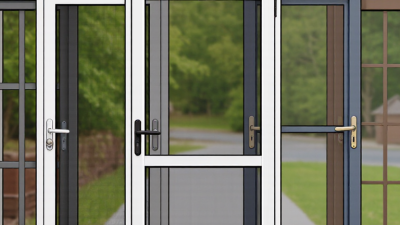
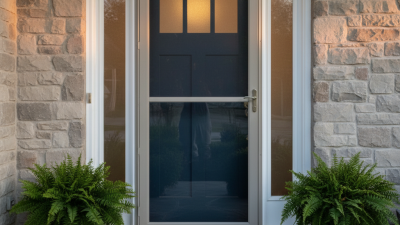
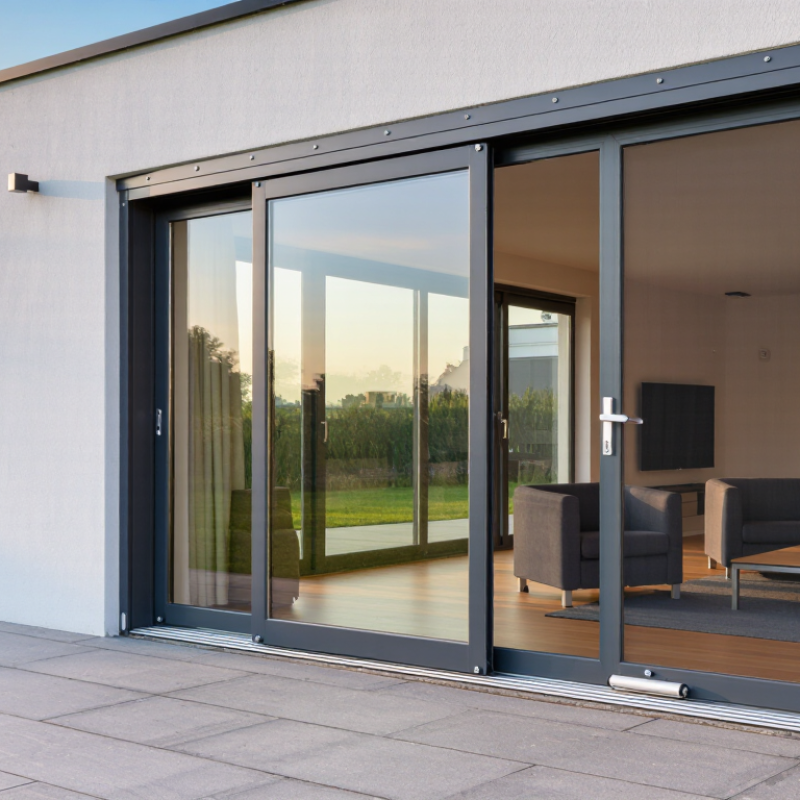
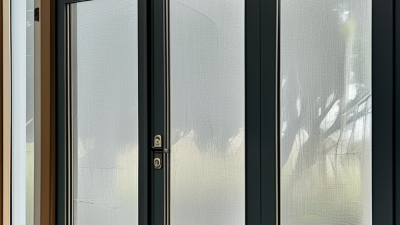
Patio storm doors are secondary exterior doors fitted over patio openings, including sliding or hinged glass doors. They add a protective layer outside the primary door. Most combine glass panels, insect screens, weatherstripping, and aluminum or reinforced frames. In summer, the screen supports ventilation. In colder or stormier weather, the glass helps reduce drafts, rain exposure, and wind pressure.

Their value depends on installation quality. The U.S. Department of Energy’s Energy Saver guidance states that windows can represent 25–30% of a home’s heating and cooling energy use. A patio storm door cannot solve every leakage problem. Still, it may improve comfort when the existing patio assembly has gaps, weak seals, or exposed glazing. For global sourcing, buyers should check thermal performance, frame corrosion resistance, drainage design, glass safety ratings, and compatibility with local door sizes. Specifications matter more than attractive photographs.

Tips: Request air-leakage and water-penetration test results. Confirm screen replacement procedures. Ask for salt-spray data in coastal projects. A cheaper frame may corrode quickly. That detail is easy to miss. Suppliers should also provide installation drawings, packaging dimensions, and test standards. Requirements differ across regions, so one universal model may create costly rework. The 2024 International Energy Conservation Code also shows why regional climate and energy requirements deserve early review.
How Patio Storm Doors Improve Home Protection

Why Choose Patio Storm Doors for Global Sourcing?

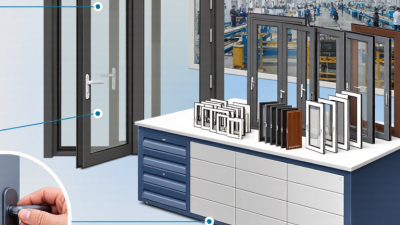
Patio storm doors add a protective layer between outdoor weather and the main entrance. They help reduce wind-driven rain, dust, and flying leaves near patio openings. During heavy storms, reinforced frames and impact-resistant panels can limit damage from small debris. They also support better indoor comfort by reducing drafts around frequently used doors. In practical inspections, I look closely at frame corners, hinge strength, drainage paths, and sealing pressure. Small gaps often become expensive problems later. No door removes every risk, though. Design quality, installation, and local weather exposure still matter.

For global sourcing, buyers should request clear specifications for panel thickness, frame material, corrosion resistance, hardware, and wind-load performance. Testing documents should identify methods, sample conditions, and production dates. This evidence is more useful than broad claims about durability. A well-designed storm door should open smoothly, close securely, and allow safe emergency access. Poor alignment can weaken seals and create annoying rattling. That detail is easy to overlook.

Tips: Compare complete installation instructions before placing an order. Check whether replacement screens, rollers, seals, and fasteners are available. Ask for packaging tests when shipments cross humid or rough transport routes. Measure the opening carefully, including threshold height and wall depth. A cheaper unit may lose value if local installers need extra modifications. I have found that simple maintenance guidance matters almost as much as the original specification. Admittedly, visual appearance can distract from structural details, so review both before approval.

Key Materials, Designs, and Performance Features

Why Choose Patio Storm Doors for Global Sourcing?

Patio storm doors offer practical protection while keeping outdoor spaces bright and usable. For global sourcing, material selection deserves close attention. Aluminum frames resist corrosion and remain relatively light during shipping. Reinforced steel can provide greater impact resistance, but it adds weight and handling costs. Fiberglass panels offer useful durability and can reduce maintenance in humid climates. Each option has trade-offs.

Design affects both performance and installation. Full-view doors provide clear daylight through large glass panels. Screen-and-glass combinations support seasonal ventilation. Low-threshold designs improve accessibility, yet they may require careful water management. Weatherstripping should compress evenly around the frame. Hinges, closers, and latch systems must tolerate repeated daily use. A small alignment error can cause drafts or difficult closing.

Tips: Request material samples and test hardware before placing a large order. Check frame dimensions, glass specifications, packaging strength, and replacement-part availability. Ask suppliers for documented performance testing when possible. Field experience shows that attractive finishes may fade faster in strong sunlight. This is easy to overlook. Also, performance claims need local verification, especially in coastal or storm-prone regions. A door that performs well in one climate may need different seals, coatings, or drainage details elsewhere.

Why Choose Patio Storm Doors for Global Sourcing?

Key frame materials influence thermal performance, corrosion resistance, durability, and sourcing flexibility. Lower thermal conductivity generally supports better insulation when combined with effective thermal breaks and weather seals.

Representative thermal conductivity values at approximately room temperature: aluminum 205 W/m·K, steel 50 W/m·K, PVC 0.17 W/m·K, wood 0.12 W/m·K, and fiberglass 0.04 W/m·K. Actual door performance depends on frame geometry, thermal breaks, glazing, compression seals, installation quality, and local climate requirements.

Why Patio Storm Doors Suit Global Sourcing

Why Patio Storm Doors Suit Global Sourcing

Patio storm doors suit global sourcing because they combine practical demand with manageable product specifications. Homeowners want better ventilation, daylight, and protection from wind-driven rain. Buyers can compare measurable details, such as aluminum thickness, mesh strength, hinge quality, and glass performance. These details make supplier evaluation more reliable across different markets.

The product also supports flexible customization. Importers may request specific widths, frame colors, handle positions, packaging sizes, or hardware sets. Flat-packed designs can reduce shipping volume and warehouse pressure. However, lower freight costs do not guarantee lower total costs. Damaged corners, missing screws, or unclear installation instructions can create expensive returns. In supplier reviews, sample testing should include repeated opening, latch alignment, water exposure, and packaging drops. No product is perfect. Even a strong door may need better sealing in harsh coastal conditions. Regional building practices also deserve attention.

Tips: Request a complete specification sheet before negotiating prices. Check replacement hardware availability and carton protection. Ask for test records, production photos, and inspection procedures. Confirm dimensions using the same measurement method. Small differences matter. A pre-shipment inspection can reveal loose handles, scratched frames, or uneven screens before goods leave the factory. Suppliers should also provide clear installation guidance and transparent lead-time updates.

Why Choose Patio Storm Doors for Global Sourcing? - Why Patio Storm Doors Suit Global Sourcing
Sourcing Dimension Typical Product Data or Requirement Why Patio Storm Doors Suit Global Sourcing
Primary Product Function A secondary exterior door installed in front of a patio or entry door to improve weather protection, ventilation control, daylight access, and insect screening. The basic function is widely understood across residential markets, while the screen, glass, and panel configuration can be adapted to local climate and consumer preferences.
Frame Material Common options include extruded aluminum, steel, fiberglass, and reinforced composite materials. Aluminum is frequently selected for lightweight exterior applications. Material options are available through established international supply chains. Aluminum frames can reduce handling weight, support corrosion-resistant finishes, and simplify regional product variations.
Weather Resistance Important specifications include resistance to wind-driven rain, air leakage, water penetration, ultraviolet exposure, and temperature changes. These requirements can be matched to regional weather conditions, including humid coastal areas, rainy climates, dry climates, and locations with seasonal temperature variation.
Ventilation and Insect Control Interchangeable or retractable screens can provide natural airflow while helping reduce the entry of insects. Screen mesh should be selected according to ventilation, visibility, and local pest conditions. The same door platform can serve different markets by changing mesh type, screen density, ventilation design, or seasonal insert configuration.
Glazing Options Available configurations may include clear glass, low-emissivity glass, laminated glass, tempered safety glass, or removable glass-and-screen inserts. Glazing can be adjusted for daylight, safety, thermal performance, noise reduction, and local building-code expectations. Safety glazing should be specified and tested for the destination market.
Energy and Thermal Performance Performance depends on the complete door assembly, including frame, glazing, weather seals, threshold, and installation. Relevant evaluation items include U-factor, solar heat gain, and air leakage. Suppliers can prepare region-specific configurations for heating-dominated, cooling-dominated, or mixed climates without changing the fundamental door design.
Size and Configuration Common configurations include single doors, left- or right-hand operation, adjustable frames, full-view panels, mid-view panels, and screen-and-glass interchangeable systems. A modular design supports different rough openings and installation practices. Buyers should provide verified opening dimensions, handing, mounting clearance, and threshold details before production.
Hardware and Security Typical components include hinges, handles, closers, latches, keyed or non-keyed locks, retainers, and weather seals. Hardware materials should be selected for the intended exposure level. Hardware can be customized for local user habits, door handing, security expectations, corrosion exposure, and compatibility with the main exterior door.
Quality and Compliance Documentation Useful documentation may include dimensional inspection reports, material declarations, coating specifications, glazing safety evidence, air and water performance reports, and packaging inspection records. A documented specification package helps importers compare suppliers objectively and supports compliance review in different destination countries without relying on brand-specific data.
Surface Finish Common finishes include powder coating, anodized aluminum, painted steel, and factory-applied protective coatings. Color, gloss level, pretreatment, and coating thickness should be defined in the purchase specification. Finish options allow the product to match local architectural styles while improving resistance to moisture, ultraviolet exposure, and everyday wear when properly specified.
Packaging and Transportation Doors should be protected against frame deformation, glass breakage, surface scratching, moisture, and hardware movement during handling and sea or land transportation. Standardized packaging specifications, corner protection, moisture barriers, pallet requirements, and carton labeling can reduce transit damage and simplify receiving operations in different countries.
Customization Potential Possible variations include frame color, glass type, screen mesh, handle set, hinge side, closer strength, threshold design, dimensions, and installation accessories. Customization enables one product family to address different climate zones, construction methods, architectural preferences, and channel requirements while retaining common core components.
Sustainability Considerations Relevant factors include material durability, repairable hardware, replaceable screens, recyclable metal components, efficient packaging, and responsible end-of-life separation. Long service life and replaceable components can reduce product replacement frequency. Metal frames and hardware may also support established recycling streams, subject to local facilities.
Pre-Order Verification Confirm technical drawings, opening dimensions, handing, finish, glazing, screen type, hardware, test requirements, packaging, labeling, inspection criteria, and destination-market regulations. A clear pre-production checklist reduces specification differences, installation problems, customs delays, and quality disputes in cross-border purchasing.

How to Evaluate Suppliers and Importing Requirements

Why Choose Patio Storm Doors for Global Sourcing?

Patio storm doors can improve airflow, daylight, and seasonal protection. Global sourcing also creates cost and compliance challenges. The World Bank’s 2023 Logistics Performance Index covered 139 countries and 4,090 trade professionals. Its findings show major differences in customs efficiency, shipment tracking, and delivery reliability. These gaps matter when doors include glass panels, aluminum frames, hardware, and protective packaging.

Evaluate suppliers through documented production controls, not attractive samples alone. Request material certificates, dimensional records, water-penetration tests, wind-load results, and corrosion testing. Check whether the factory controls glass cutting, frame assembly, sealing, and final inspection internally. Ask for a pilot order. It exposes weak packaging and inconsistent tolerances early.

Import requirements depend on the destination market. Confirm the correct HS classification, duty treatment, labeling rules, glazing requirements, and building-code evidence before signing. Incoterms should clearly assign freight, insurance, customs, and damage risks. The ICC Incoterms 2020 framework can help, but it does not replace local legal advice.

Tips: Compare at least three suppliers using the same technical checklist. Inspect cartons after simulated stacking and moisture exposure. Keep test reports traceable to production batches. A lower quotation may hide replacement costs, port delays, or missing documents. I have found that spreadsheets look precise, yet small tolerance errors can still cause installation failures. Recheck measurements with the installer’s actual opening sizes. That step is easy to overlook.