Why Choose Discount Storm Doors for Global Projects?
Selecting the right door system can shape a global project’s safety, comfort, and long-term operating costs. Discount storm doors offer a practical option when buyers need reliable weather protection without exceeding strict procurement budgets. They can help control drafts, rain, dust, and seasonal temperature changes around residential, commercial, and public buildings.
However, price alone should never guide the decision. Experienced project teams examine frame materials, screen strength, hinge quality, glazing options, and corrosion resistance. They also review installation conditions in coastal, humid, cold, or high-wind regions. A door that performs well in a dry warehouse may struggle beside a saltwater coastline. That assumption can be wrong.
For international orders, dependable specifications matter. Buyers should request clear measurements, hardware details, packaging information, and documented performance data. Suppliers with proven manufacturing experience can support consistent quality across multiple construction sites. They should also explain maintenance needs, replacement parts, and installation methods in practical language.
Small details matter.
A reinforced corner, sealed edge, or adjustable closer can prevent repeated service problems. Careful inspection before shipment can reduce delays caused by damaged frames or missing components. Still, discount storm doors are not automatically suitable for every climate or building type. Project managers must compare the product with local requirements, expected usage, and professional advice.
When value, performance, and supply reliability are evaluated together, discount storm doors can support efficient global development. The best choice is not simply the lowest quotation. It is the door system that performs consistently after delivery, installation, and years of daily use.
What Are Discount Storm Doors?
Why Choose Discount Storm Doors for Global Projects?
Discount storm doors are exterior door systems offered at a lower purchase price than premium models. “Discount” is a pricing category, not a performance rating. Savings may come from standard dimensions, simpler hardware, limited finishes, or larger production volumes. The door can still include aluminum framing, insect screening, tempered glass, weatherstripping, and adjustable closers.
Their value becomes clearer during large projects. Standard sizes can reduce cutting, storage, and replacement delays. A properly fitted storm door can also create a secondary air barrier. ENERGY STAR reports that sealing air leaks may reduce annual household energy costs by up to 10 percent. The result depends on installation quality, climate, and the main door’s condition. It is not automatic.
For global procurement, buyers should compare U-factor, air leakage, water resistance, hardware durability, and available replacement parts. The National Fenestration Rating Council explains that performance labels help compare fenestration products through standardized thermal ratings. However, not every discounted product carries the same certification. That difference matters.
A low price may hide weak hinges, poor seals, or unusual dimensions. I have seen project plans focus on unit cost while underestimating installation labor and future maintenance. That is an avoidable mistake. Local building requirements, wind exposure, humidity, and security expectations should be checked before ordering.
Key Benefits for International Construction Projects
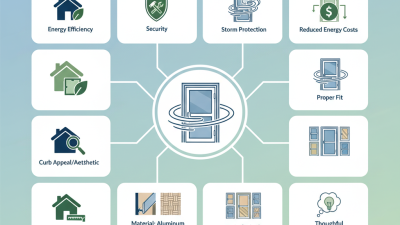
International construction projects need doors that balance price, climate control, and installation speed. Discount storm doors can support that balance when specifications remain clear. A lower unit price is not automatically a lower project cost. Freight, packaging, replacement parts, and local labor can change the calculation.
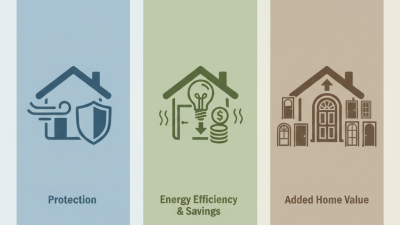
The 2023 UNEP Global Status Report states that buildings consumed 34% of global energy in 2022 and produced 37% of energy- and process-related carbon emissions. Storm doors add a practical barrier against wind, rain, dust, and temperature shifts. They can also reduce drafts around entry points. The U.S. Department of Energy notes that air leakage may represent 25% to 40% of heating and cooling energy use in typical homes. Results vary by climate, installation quality, and building design.
For international projects, standardized sizes simplify procurement and reduce installation errors. Durable frames, replaceable screens, corrosion-resistant hardware, and clear maintenance instructions matter in coastal or humid regions. Site teams should verify fire performance, wind resistance, accessibility, and local code requirements before ordering. These checks may reduce the apparent discount, but they protect schedules. A cheaper door that arrives damaged is expensive in practice. That lesson is easy to overlook. Product samples should be tested against actual site conditions, not only catalog specifications. Even then, performance can disappoint when installers lack suitable anchors or weather seals.
Selecting the Right Supplier for Global Door Procurement
Why Choose Discount Storm Doors for Global Projects?
Selecting the Right Supplier for Global Door Procurement
Global door procurement rarely succeeds on price alone. A discount storm door may reduce initial costs, but supplier selection determines project stability. Experienced buyers examine frame alloy, hinge performance, seal compression, and screen durability. Ask for dimensional drawings and test reports before discussing volume. Small details matter. A two-millimeter mismatch can delay installation across hundreds of openings.
A reliable supplier should explain production capacity, lead times, packaging methods, and quality controls clearly. Request samples from normal production, not specially prepared pieces. Compare hardware, corner joints, coating thickness, and carton protection. Check whether documents support the destination market’s building and safety requirements. Customs paperwork must match the actual shipment. It sounds basic. Errors here can hold a container at the port.
Price comparisons should include tooling, replacement parts, inspections, inland delivery, and warranty handling. Clarify who responds when a latch fails after installation. A written inspection plan is useful, but it cannot replace communication. Video calls with the factory floor may reveal storage problems or rushed assembly. I still find supplier scoring imperfect; a polished presentation can hide weak follow-up. Leave room for trial orders and corrective action. That slower step often protects a global schedule better than the cheapest quote.
Why Choose Discount Storm Doors for Global Projects?
Selecting the Right Supplier for Global Door Procurement
The chart compares the number of numbered performance classes defined in key European door and window standards. EN 12207 covers air permeability with Classes 1–4, EN 12208 covers watertightness with Classes 1A–9A, and EN 12210 covers resistance to wind load with Classes 1–5. These classifications help procurement teams compare supplier test documentation, performance targets, and compliance risks instead of selecting a storm-door supplier by price alone. Local building codes and project specifications should always be confirmed before purchase.
Reference standards: EN 12207, EN 12208, and EN 12210.