Doors &
Windows

China Top Residential Storm Doors Suppliers?

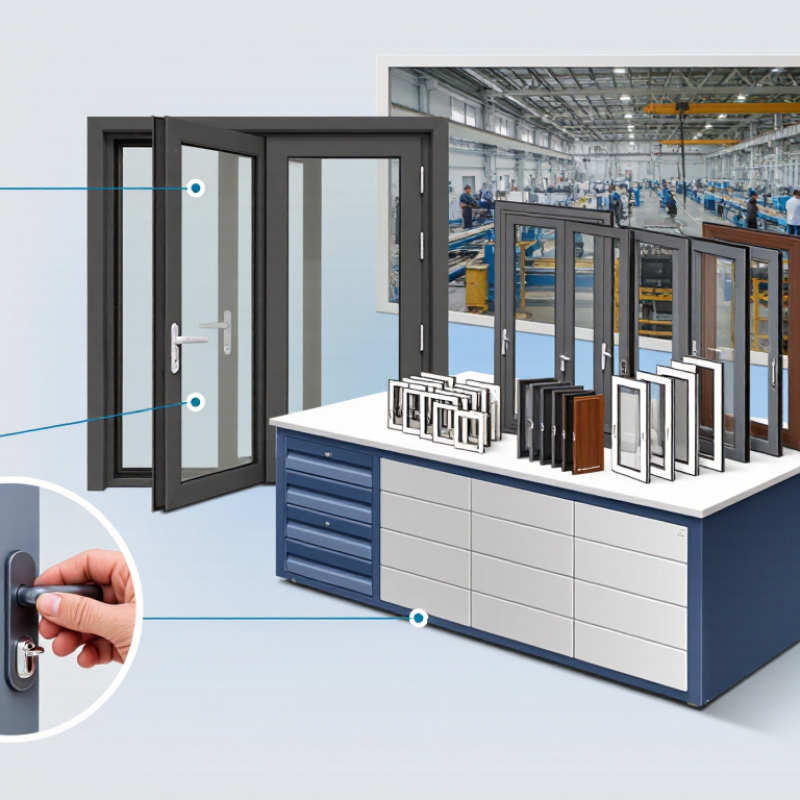
Choosing reliable China residential storm doors suppliers requires more than comparing factory prices. Buyers need evidence of product quality, manufacturing experience, and consistent export performance. This guide introduces practical ways to assess suppliers before requesting samples or signing a contract. It considers aluminum and steel frames, tempered glass, ventilation screens, locksets, hinges, seals, and surface finishes. Small details matter.

A dependable supplier should explain material grades, door thickness, hardware options, packaging methods, and quality-control procedures clearly. Ask for sample doors, factory photographs, test records, and references from comparable projects. Where relevant, confirm compliance with recognized safety and building standards in the destination market. Coastal buyers may need powder-coated finishes and corrosion-resistant hardware. Cold-climate projects may require tighter weather seals and stronger glass retention.

Factory visits can reveal more than polished catalogs. Look for organized production lines, accurate cutting equipment, clean assembly areas, and traceable inspections. Communication matters too. A capable export team should answer technical questions without vague promises. It should also identify limitations honestly. No supplier fits every project.

Pricing can mislead.

The lowest quote may exclude screens, upgraded locks, reinforced packaging, or replacement parts. Lead times also deserve careful review, especially during seasonal production peaks. This overview offers a balanced framework for comparing Chinese manufacturers. It does not assume every factory has equal capability. Instead, it encourages buyers to verify claims, test samples, and document specifications before making a confident sourcing decision.
China Top Residential Storm Doors Suppliers?

Residential Storm Doors: Purpose, Features, and Selection Criteria

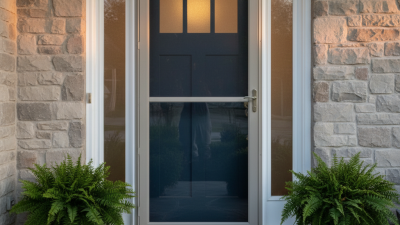
Residential storm doors create a practical buffer between indoor comfort and outdoor weather. They reduce drafts, protect the main entry door, and allow ventilation when conditions are mild. A well-designed door may include tempered glass, insect screening, adjustable sweeps, and corrosion-resistant hardware. These details matter near coastal areas, where salt air can damage ordinary metal quickly.

Selection should begin with measurements, not appearance. Check the opening width, height, frame depth, and door swing. The installation surface must also be examined for uneven walls or damaged trim. Strong closer systems help control heavy panels during windy weather. Removable screens are useful in warm seasons, but they should fit tightly without forcing the frame. Energy performance deserves attention too. A sealed edge can prevent noticeable cold air around the threshold.

When comparing residential storm door suppliers in China, request drawings, material specifications, test records, and sample hardware. Ask how glass, hinges, seals, and finishes are inspected before shipment. A supplier should explain replacement parts and packaging methods clearly. I would not judge quality from photographs alone. They can hide weak corners and poor alignment. One practical lesson is easy to miss: a cheaper door may require more installation time. That cost can outweigh the initial saving. Even experienced buyers should recheck dimensions before approving production. Mistakes happen. Reliable communication, traceable inspections, and realistic delivery commitments provide stronger evidence than polished sales language.
China’s Leading Residential Storm Door Suppliers and Market Strengths

China’s Leading Residential Storm Door Suppliers and Market Strengths

China has become a major sourcing center for residential storm doors, supported by mature aluminum processing and glass manufacturing. Experienced suppliers commonly offer aluminum, steel, and composite door systems for different climates. Their factories often manage cutting, welding, coating, glazing, and assembly under one production structure. This can shorten lead times and reduce communication gaps.

The strongest suppliers invest in wind-load testing, water resistance checks, surface coating control, and repeated opening tests. Buyers should request test records, material specifications, and sample approval before placing large orders. Powder-coated frames, adjustable screens, tempered glass, and multi-point locks are practical options for residential projects. Custom colors and dimensions are also widely available. Details matter.

China’s market strength comes from flexible production and competitive manufacturing costs. Suppliers can support container orders, private specifications, and regional packaging requirements. However, not every catalog promise survives real installation. A lower quotation may hide thinner profiles, weak hardware, or inconsistent coating thickness. I have found that physical samples reveal more than polished product sheets. Factory audits, third-party inspections, and clear tolerance agreements improve reliability. Communication can still be imperfect, especially when drawings lack local installation details. That weakness deserves attention before production begins.

Key Materials, Designs, and Customization Options Available

China Top Residential Storm Doors Suppliers?

Material selection should follow climate, exposure, and maintenance expectations. Aluminum frames resist corrosion and remain lightweight for apartment balconies or coastal homes. Steel offers stronger impact resistance, but exposed edges need careful coating. Fiberglass panels provide good dimensional stability during seasonal temperature changes. Stainless-steel mesh improves ventilation without creating a fragile visual barrier.

01

The U.S. Department of Energy reports that properly installed storm windows can reduce annual heating and cooling costs by 12–33%. Storm doors will not automatically achieve the same savings. However, tight weatherstripping, adjustable thresholds, and low-emissivity glass can reduce drafts around entryways. NFRC guidance also supports comparing tested U-factor and solar heat gain values, rather than trusting vague “energy-saving” claims. Small details matter.

02

Design options now include full-view glass, mid-view panels, retractable screens, pet-resistant mesh, and security grilles. Suppliers in China commonly support custom widths, hinge positions, powder-coat colors, glass thicknesses, and handle finishes. Ask for air-leakage testing, corrosion results, and installation drawings. ASTM E283 testing can help verify air performance. Some catalog measurements look precise but still miss irregular masonry openings. A site template is safer. Allow for imperfect walls, because real buildings rarely match factory drawings.

Quality Standards, Manufacturing Capabilities, and Certifications

China’s residential storm door suppliers should be assessed through measurable standards, not catalog photographs. The International Energy Agency reports that buildings consume about 30% of global final energy. A well-fitted storm door can reduce drafts, but performance depends on installation and sealing.

Ask suppliers for testing against ASTM F842, ASTM E283, ASTM E330, and ASTM E331. These standards address door operation, air leakage, structural pressure, and water penetration. Factory reports should identify test samples, dimensions, pressure levels, and laboratory dates. A vague “weatherproof” claim is not enough. It rarely shows repeatable performance.

Manufacturing capability also matters. Reliable factories should control aluminum thickness, corner joints, mesh tension, glass fit, coating thickness, and hardware torque. ISO 9001 certification supports documented quality processes, while ISO 14001 indicates environmental management practices. For coated aluminum, AAMA 2603, 2604, or 2605 specifications can clarify finish durability. Certification scope must match the actual product.

The U.S. Department of Energy notes that low-emissivity products can improve window and door energy performance, yet storm doors are not automatically energy-efficient. Suppliers should provide U-value, air-infiltration, and water-resistance data when applicable. I would also request third-party inspection before shipment. Factory audits can miss seasonal problems, especially condensation or warped frames. That weakness deserves attention.

How to Evaluate and Choose a Reliable Chinese Supplier

Choosing a reliable Chinese residential storm door supplier requires more than comparing factory prices. Examine the supplier’s production experience, material control, and communication habits. Ask for factory photos, production videos, and recent project references. A serious supplier should explain aluminum grades, coating methods, glass options, hinge systems, and weather seals clearly. Vague answers deserve caution.

Request a complete sample before placing a large order. Check frame alignment, screen tension, latch movement, gasket contact, and packaging strength. Test the door in rain, wind, and repeated opening cycles when possible. Ask for inspection records, quality procedures, and applicable product compliance documents for your destination market. Verify company registration and export experience through independent sources. A polished website proves little.

Payment terms and lead times also reveal reliability. Confirm drawings, tolerances, colors, hardware, carton markings, and replacement procedures in writing. Use staged inspections, especially before shipment. The cheapest quotation may hide thinner profiles or weaker packaging. That mistake is expensive. No supplier performs perfectly, and small communication gaps can still appear. Leave room for revisions after the first sample. A dependable supplier accepts reasonable corrections, reports production risks early, and provides traceable answers instead of promises. Judge consistency over time, not one impressive meeting.