7 Best Storm Screen Doors to Buy in 2026
A storm door can make a busy entrance more comfortable, but the right choice depends on the doorway, local weather, and how you use it. These seven storm screen doors are compared through practical details: frame construction, screen options, glass panels, hardware, fit, and stated warranty coverage. A full-view glass panel may suit a dim entry, while a ventilating screen can help bring in a breeze. Small details matter, too. A loose closer can let a door slam, and an awkward handle can become irritating with groceries in hand.
Fit comes first. Measure the opening carefully, check whether the door is left- or right-handed, and confirm the manufacturer’s installation requirements before buying. Look for clear information about replacement screens, seasonal glass changes, and compatible hardware. Those details may matter more over time than an attractive finish. Not every feature suits every home.
This guide is intended to help narrow the options, not promise that one model works for every entrance. Product specifications, prices, and availability can change during 2026, so verify current details with the manufacturer or retailer. Installation conditions also vary; an older frame may need attention before a new door fits well. That part is easy to overlook. Use the comparisons as a starting point, then weigh durability, ventilation, maintenance, and budget against your own needs.
Understanding Storm Screen Doors and Their Main Functions
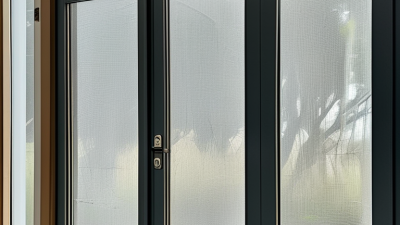
A storm screen door combines a screen with a protective panel, often glass or a clear insert. Depending on its design, the panel can help reduce drafts, windblown rain, and dust at the entry. Many models let you switch between screen and glass as the seasons change. On a mild day, an open screen can bring fresh air inside while keeping insects out. Air moves. So does pollen, which some households may not welcome.
These doors also add a layer between the outdoors and the main entry door. They may soften gusts and limit exposure to light rain, but they are not a guarantee against severe weather or water intrusion. The word “storm” can sound stronger than the protection a particular model provides. Check the door’s materials, panel fit, weatherstripping, and installation guidance. Fit matters. A loose frame can rattle, leak air, or make the latch difficult to use.
Before choosing a door, consider how the entry is exposed to wind and rain, and how often you want to change panels. Measure the opening carefully, including its width at several points; older frames are not always square. Look for a sturdy frame, smooth hinges, and a secure closing mechanism. A screen that is easy to remove is useful, though it may also need more frequent cleaning. Compare the stated features with your actual conditions rather than assuming every storm screen door offers the same level of protection.
Storm Screen Door Size Reference
This chart compares the gross area of three common nominal door widths, assuming an 80-inch height. The figures are width × height and do not represent the actual mesh area, which is smaller because of the frame. Check the product’s listed dimensions before buying.
Comparing Storm Screen Door Types, Materials, and Features
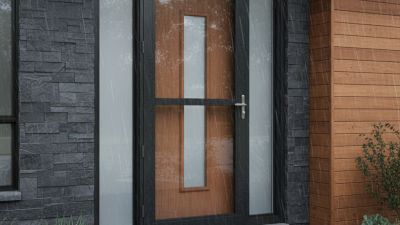
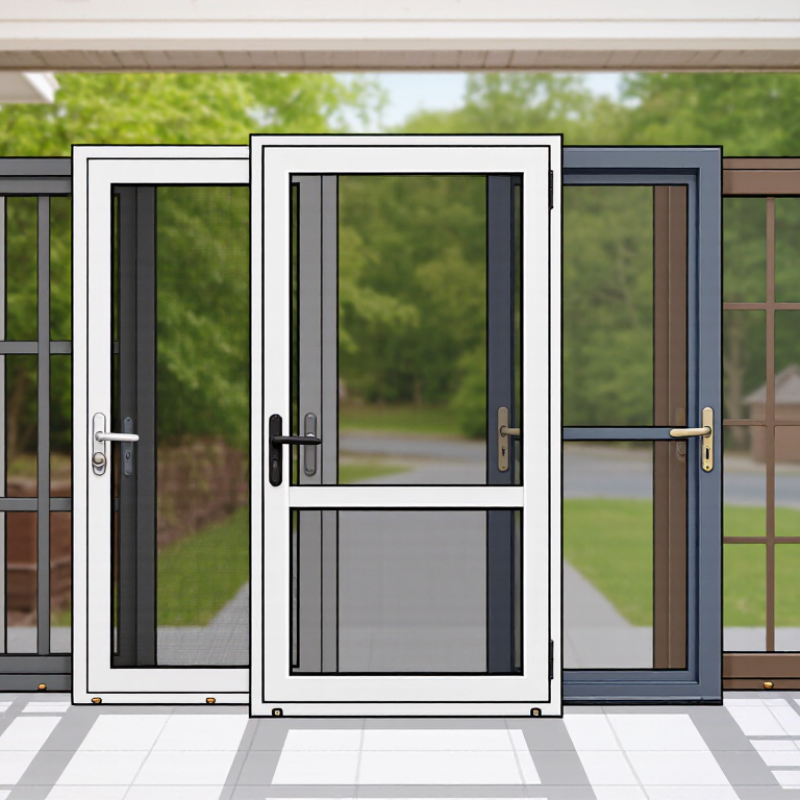
Storm screen doors differ most in how they balance airflow, visibility, and weather protection. Full-view models use a large glass panel that can often be swapped for a screen in warm weather. Mid-view designs keep glass below and screening above, which can suit homes where pets or children push against the lower panel. Retractable screens disappear into a cassette when not needed, but their tracks need occasional cleaning. Fit matters most.
Frame material affects weight, upkeep, and resistance to dents. Aluminum is light and commonly resists rust, though thin frames may flex or dent. Steel feels sturdier but needs a sound finish to limit corrosion, especially near the coast. Wood offers a traditional look and can be repaired, yet exposed edges need regular painting or sealing. Mesh matters, too: standard fiberglass is flexible, while tighter or stronger mesh can improve durability but may reduce airflow. The trade-off is easy to miss.
Look closely at the closer, latch, hinges, and bottom expander. A closer that shuts gently helps prevent slamming; adjustable sweep speed is useful on breezy porches. A tight bottom seal can block drafts and insects, but it may drag on uneven thresholds. Not every feature earns its keep. Before choosing, measure the opening at several points and check which way the door swings. Small differences matter. A useful comparison should include replacement-screen availability and hardware adjustability, not just appearance.
How to Evaluate Storm Screen Doors Before Buying in 2026
Before buying a storm screen door, measure the opening at the top, middle, and bottom; older frames can be slightly out of square. Fit matters. Check that the sweep touches the threshold without dragging, and that the latch catches cleanly. A tight fit helps limit drafts, while a closer prevents the door from slamming. For a door with glass panels, check whether the panels are removable and how they are secured. For mesh, inspect the corners and frame joints; these are easy details to overlook.
The U.S. Energy Information Administration’s 2020 Residential Energy Consumption Survey attributes about 42% of household site energy use to space heating. That figure is not a promised saving from a storm door, but it shows why reducing drafts can matter in cold homes. Ask sellers for documented air-leakage or wind-performance test results where available. ASTM E283 is a recognized method for measuring air leakage through exterior windows and doors; it does not mean every screen door has been tested. Match the door’s frame and hardware to local exposure, especially on a sheltered porch versus a wind-facing entrance. I would not judge mesh by appearance alone: finer screens can feel less airy, and that trade-off is easy to miss in a showroom.
Seven Storm Screen Doors to Consider in 2026
A storm door should suit the entryway, not just look sturdy in a product photo. These seven styles offer different trade-offs for airflow, visibility, and weather protection. A full-view door gives a clear sightline and often accepts interchangeable glass and screen panels. A mid-view design adds a solid lower section that can take more everyday bumps. A high-view version keeps glass above the busiest part of the doorway. Measure twice.
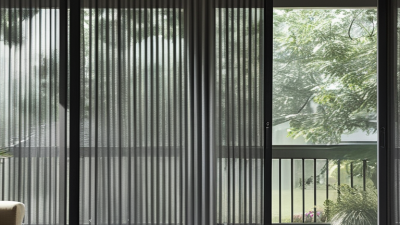
For warm months, a retractable-screen door lets the mesh roll away when it is not needed. Interchangeable-panel models offer a simpler seasonal swap, though changing panels takes storage space and a little patience. Reinforced aluminum frames are worth considering where wind and frequent use are concerns; inspect the hinges and closer, too. Small details matter. A custom-fit door can help with older or unusually sized openings, but accurate measurements are essential.
Before choosing, check the threshold, trim, and handle clearance. A door that fits the opening may still rub against a step or strike nearby hardware. Look for clear care instructions and replacement-part availability. One common oversight is choosing a dark mesh without checking it from indoors; visibility can feel different once installed. Not every home needs the most elaborate option.
7 Best Storm Screen Doors to Buy in 2026 - Seven Storm Screen Doors to Consider in 2026
| Door type to consider |
Screen and glass setup |
Common frame material |
Best suited to |
What to check before buying |
| Full-view interchangeable-panel door |
A large glass panel can usually be swapped for a full-height screen panel. |
Typically aluminum |
Homes that want an open view through the entry and seasonal ventilation. |
Confirm how panels are changed and where the unused panel can be stored. |
| Retractable-screen storm door |
The screen rolls into the frame when not in use; a glass panel remains in place. |
Typically aluminum |
Entrances where owners want to switch between a clear glass view and airflow without removing a screen panel. |
Check screen operation, track clearance, and whether replacement screen parts are available. |
| Ventilating door with movable glass panels |
Glass panels move to expose built-in screen sections for ventilation. |
Typically aluminum |
People who want to adjust the screened opening without storing separate panels. |
Look for smooth panel movement and a screen layout that suits the desired airflow. |
| Half-view storm door |
A smaller glass area is paired with a lower solid panel; screen arrangements vary by model. |
Typically aluminum |
Entries where a lower solid section is preferred over full-height glass. |
Check the glass-to-panel proportions and confirm whether the screen is included or optional. |
| Pet-resistant screen door |
Uses a tougher screen mesh or added protective features; construction varies. |
Often aluminum, with screen material varying by model |
Households where pets may push against or scratch the screen. |
Compare mesh strength and visibility; more robust mesh may look or feel different from standard screen. |
| Heavy-duty storm door |
May be offered with full-view or ventilating screen configurations. |
Often reinforced aluminum |
Busy entrances where a sturdier frame and durable hardware are priorities. |
Review frame reinforcement, hinge design, closer hardware, and the stated warranty terms. |
| Custom-size storm screen door |
Screen and glass options depend on the selected configuration. |
Varies by construction and manufacturer |
Older homes or entrances with nonstandard opening dimensions. |
Measure the opening in multiple places and confirm the required frame depth and hinge side before ordering. |
Note: These are storm-door types to compare, not specific product models. Materials, included panels, sizing, and features vary by manufacturer and model.
Choosing the Right Storm Screen Door for Your Home and Climate
Choosing the right storm screen door starts with your local weather, not its appearance. In humid regions, look for corrosion-resistant hardware and a frame that can handle frequent moisture. Coastal air can wear down ordinary finishes faster than expected. Windy locations call for secure latches and sturdy hinges; a loose door can rattle through every gust. In colder climates, check how easily the glass or screen panels change with the seasons. That detail matters. It is easy to focus on a door’s style and overlook the daily work of swapping panels.
Match the mesh to how you use the entrance. Fine mesh can help keep out small insects, while a more open weave may allow better airflow. If pets or children use the doorway, consider mesh strength and whether replacement sections are available. Measure the opening carefully, including its trim, and confirm the door’s swing will not hit steps or nearby furniture. A screen door cannot solve every comfort problem. Heavy shade, poor ventilation, and driving rain may still affect the entry. Check installation requirements, too; a well-made door can perform poorly when its frame is out of square.