Doors &
Windows

10 Best Residential Front Doors for Every Home

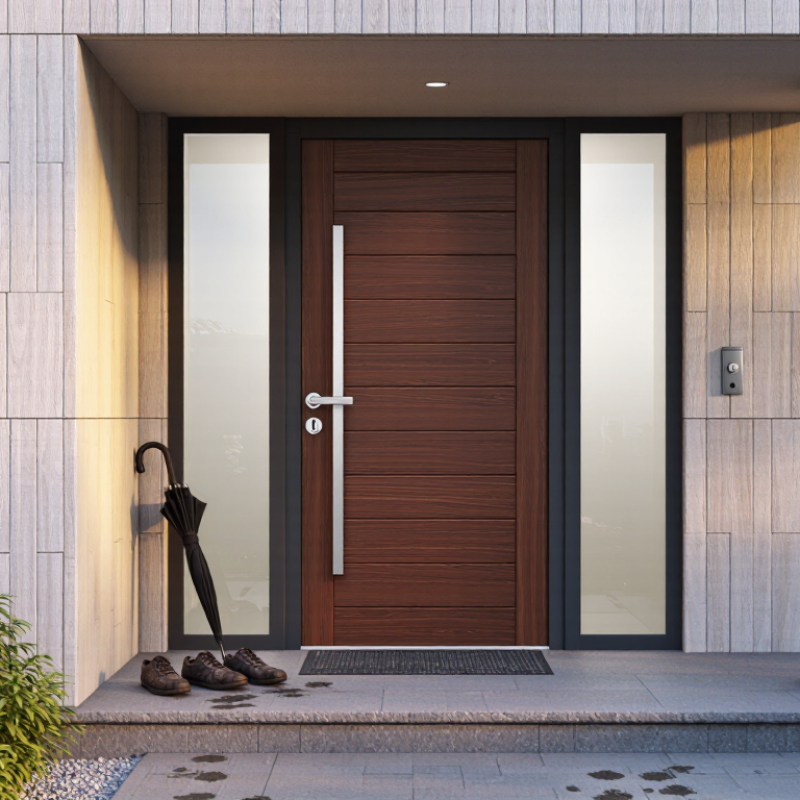
A front door shapes a home’s first impression, but it also faces daily weather, traffic, and wear. Picture a wet umbrella leaning beside the entry, muddy shoes crossing the threshold, and afternoon sun warming the door’s surface. The right choice should suit these conditions, not just the house’s style. Details matter.

Industry data offers one useful, though limited, perspective. The 2024 Cost vs. Value report found that a steel entry door replacement recouped an estimated 188.1% of its project cost at resale. This is a national estimate, not a guaranteed return for every home. Local labor costs, door quality, and market conditions can change the result. Still, it shows why material and installation deserve careful attention.

This guide explores 10 residential front doors for different homes, budgets, and priorities. Options may include classic wood, durable steel, insulated fiberglass, and designs with glass panels. Compare more than appearance: consider weather exposure, security hardware, upkeep, insulation, and how much natural light you want inside. A beautiful door can disappoint if it swells in damp weather or needs more maintenance than expected. No single pick works for every entry. The best fit balances curb appeal with everyday performance—and sometimes the practical choice is less exciting than the one you first imagined.
10 Best Residential Front Doors for Every Home

What Defines a Good Residential Front Door

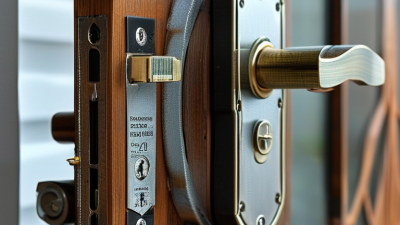
A good residential front door balances weather protection, security, durability, and daily ease of use. Start with the fit: a straight frame, even reveals, and a threshold that closes without scraping. Check the weatherstripping for gaps; a thin strip of daylight can mean drafts and water intrusion. Solid construction matters, but a heavier door is not automatically better if its frame or hinges are weak. Details count.

Energy performance deserves a close look. The U.S. Department of Energy estimates that windows account for about 25–30% of residential heating and cooling energy use; this figure does not isolate doors, but it highlights the value of a tight building envelope. For glazed doors, compare NFRC-rated performance rather than relying on appearance. The 2024 Cost vs. Value report by Remodeling estimated a national average cost of $2,355 for steel entry-door replacement, with $4,430 in estimated resale value. That is a survey-based estimate, not a promise for every home. Security also depends on installation: a sound deadbolt cannot compensate for a loose jamb or short screws. Quietly test the latch. Some doors look impressive in a showroom but feel awkward with wet hands, groceries, or a child at the threshold.
Key Factors for Comparing Door Materials, Security, and Efficiency

A front door must resist weather, flexing, and daily impact. Steel often offers strong value, but a dent can be difficult to repair. Fiberglass resists moisture and needs little upkeep; wood brings warmth, yet needs regular sealing. Check the frame, threshold, and jamb as carefully as the slab. Fit matters. A strong door can still leak if its perimeter has gaps.

For efficiency, compare whole-door U-factor ratings: lower numbers indicate less heat transfer. ENERGY STAR’s residential door criteria set maximum U-factors of 0.17 for opaque doors, 0.25 for doors with up to half their area glazed, and 0.30 for more-glazed models. Glass adds daylight, but can raise heat loss; look for a certified rating, not just decorative claims. Security depends on installation too: use a reinforced strike area, long anchoring screws, and a deadbolt, then check that the latch engages smoothly. The 2024 Zonda Cost vs. Value report estimated a 188.1% cost recoup for steel entry-door replacement nationally. That figure measures resale value, not safety or energy savings. I would not treat it as a buying rule.

10 Best Residential Front Doors for Every Home

Comparing common door materials for insulation, security potential, durability, and ease of maintenance

Ratings are illustrative relative scores from 1 (lower) to 5 (higher), based on typical material characteristics—not standardized test results. Actual performance depends on door construction, glazing, weather seals, installation, and hardware. Security in particular depends heavily on the complete door system and lock.

Ten Front Door Types and the Homes They Suit

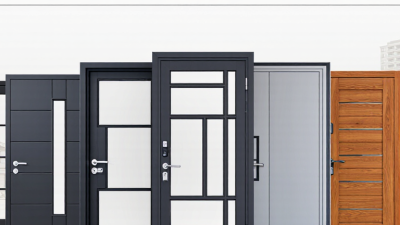
A front door should suit the home’s proportions, weather, and daily use. Classic wood doors bring warmth to Craftsman and traditional houses, while steel suits practical, security-conscious renovations. Fiberglass works well in damp or changeable climates because it resists moisture and needs little upkeep. Glass-panel doors brighten shaded entries; Dutch doors fit cottages and homes with porches. Double doors make broad façades feel balanced, and sidelights add daylight to narrow hallways. Arched doors complement older architecture. Flush doors suit modern façades, while pivot doors make a bold choice for spacious contemporary homes.

The 2024 Zonda Cost vs. Value Report estimated a 188.1% resale-cost recovery for a steel entry-door replacement in its U.S. national averages. That figure is not a guaranteed return; local labor, materials, and buyer preferences vary. Check the door’s tested weather performance, frame condition, and installation details. ENERGY STAR guidance also emphasizes choosing certified exterior doors for climate-appropriate efficiency. A beautiful slab can still leak air if the frame is poorly sealed. Easy to overlook.

Tips: Match the swing and threshold to everyday traffic. Bring home finish samples; porch shade can change how colors look. Measure twice.

How to Match a Front Door to Your Home’s Architecture

An inviting front door feels connected to the house without copying every historic detail. Look at the entry’s proportions, surrounding trim, and nearby window shapes before choosing a style. A Craftsman home often suits a sturdy door with simple recessed panels or a small glazed section. A Colonial façade usually feels balanced with a symmetrical design and restrained detailing. For a midcentury home, clean lines and generous glass can complement the architecture without making the entrance feel busy.

Small details matter. A lot.

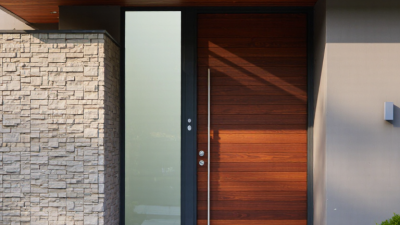
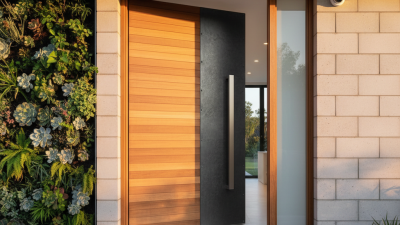
Match the finish to the home’s materials: warm wood tones can soften brick, while a painted door can give pale siding a clear focal point. Check how much direct sun and rain the entrance receives; exposure affects fading and maintenance. A glass panel may brighten a dark hall, but consider privacy and the view from the street. I’ve seen a beautiful door feel oddly undersized beside broad sidelights, so measure the full opening, not just the slab. Still, strict period matching can look staged. A thoughtful contrast, such as a simple modern handle on a traditional door, may feel more personal. The choice deserves a second look in daylight, when colors and shadows change.

10 Best Residential Front Doors for Every Home — How to Match a Front Door to Your Home’s Architecture

Front Door Style Architectural Match Common Materials Design Features Practical Considerations
Traditional Six-Panel Colonial, Georgian, and many traditional homes Painted wood, fiberglass, or steel Symmetrical raised panels and a balanced, classic profile A versatile choice for formal façades. Match the door’s scale and panel layout to the trim and surrounding entry.
Craftsman Panel-and-Glass Craftsman, bungalow, and Arts and Crafts homes Wood or fiberglass Usually has a solid lower section, divided glass near the top, and simple, substantial trim Clear or textured glass can bring daylight into the entry. Choose grille patterns that suit the home’s existing windows.
Dutch Door Farmhouse, cottage, and some Colonial-style homes Wood or fiberglass Two independently operable horizontal halves Useful for ventilation while keeping the lower half closed. Specify suitable hardware and weatherstripping for the split opening.
Arched-Top Door Mediterranean, Spanish Colonial, and some Tudor-inspired homes Wood, fiberglass, or steel with a shaped frame Curved head that echoes an arched entry or nearby architectural details Often requires a specially sized frame and careful installation. Measure the opening before selecting a door system.
Flush Modern Door Contemporary, minimalist, and mid-century modern homes Wood, fiberglass, or steel Flat surface, clean lines, and minimal ornament A simple design pairs well with restrained hardware. Consider the entry’s sun exposure and choose a finish suited to local conditions.
Full-Lite Glass Door Contemporary homes and light-filled transitional entries Fiberglass, steel, or wood with an insulated glass unit Large glazed area that allows substantial natural light Glass can reduce privacy; frosted, patterned, or textured glazing offers screening. Check the door’s safety-glazing specifications.
Double Entry Doors Formal, Mediterranean, Georgian, and larger traditional homes Wood, fiberglass, or steel Two coordinated door leaves create a broad, symmetrical entrance Requires a wider opening and careful alignment. Confirm that the inactive leaf can be secured and that the entry has sufficient clearance.
Board-and-Batten Farmhouse, rural, and cottage-style homes Wood or fiberglass Vertical boards or convincing molded details, often with simple hardware Works best when its finish and proportions relate to the home’s siding, porch, and other exterior details.
Tudor-Style Door Tudor Revival and English cottage homes Wood or fiberglass Often features a darker finish, visible paneling, or an arched or pointed visual profile Coordinate the door with the entry surround and façade materials. Decorative details should not interfere with weather seals or hardware.
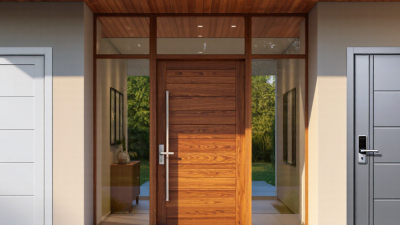
Single Door with Sidelights Traditional, transitional, and many suburban home styles Wood, fiberglass, or steel with glazed sidelights A central door flanked by narrow fixed glass panels Sidelights brighten the entry and make it feel wider. Use privacy glazing where the entrance faces a street or neighboring property.

Selection tip: Match the door’s shape, panel pattern, glazing, and finish to the home’s existing architectural details. Actual performance depends on the door system, installation, climate, and maintenance.

Care and Maintenance for Long-Term Performance

A front door lasts longer when small problems are caught early. Check the threshold and weatherstripping every season. Look for flattened seals, daylight around the frame, peeling finish, and water stains near the sill. Clean dirt with mild soap and water, then dry the surface. Avoid pressure washing; it can force water into joints. Lubricate hinges and locks with products suitable for their materials. Tighten loose screws before the door begins to sag. A small miss matters.

Finish care depends on the door material and local exposure. Wood doors may need more frequent inspection where sun and rain hit directly. Fiberglass and steel still need sound paint or protective coatings, especially at edges and hardware cutouts. Follow the manufacturer’s care instructions; generic advice can be wrong for a particular finish. ENERGY STAR reports that air sealing and insulation can reduce average heating and cooling costs by about 15% in existing homes. That figure applies to whole-home improvements, not a door alone, but a worn door seal can contribute to drafts. Use a simple smoke pencil or feel for moving air on a windy day. Recheck after repairs. The routine is not perfect, and one annual inspection may miss damage after a severe storm.