Doors &
Windows

What Are the Best Modern Front Doors from China?

Choosing the best modern front doors from China requires more than comparing glossy photographs and low prices. The right door should balance design, weather resistance, security, insulation, and dependable after-sales support. Chinese manufacturers offer many options, including thermally broken aluminum doors, steel security doors, fiberglass models, and solid timber designs. Each material performs differently in coastal, rainy, cold, or hot environments.

Look closely at frame depth, thermal breaks, drainage channels, glazing thickness, hinges, locks, and surface finishes. A matte black aluminum door may look elegant, but poor drainage can create problems after heavy rain. Ask suppliers for test reports, product drawings, material specifications, warranty terms, and clear installation instructions. Independent inspections can also verify dimensions, welding quality, powder coating, glass safety, and packaging before shipment. That practical step is often overlooked.

Experience matters.

Reliable suppliers should explain lead times, replacement parts, and installation tolerances without making vague promises. Certifications can support confidence, but buyers should verify their scope and validity. A door designed for a Chinese climate may not suit a northern European winter or a humid seaside property. Local building codes and fire requirements must guide the final selection.

There is no single winner. The best modern front doors depend on your home’s architecture, exposure, budget, and maintenance expectations. Even experienced buyers can miss small details, such as threshold height or delivery damage. Careful questions, documented specifications, and realistic inspections create a safer purchasing decision. This guide compares leading styles and practical features while acknowledging that appearance alone never proves quality.
What Are the Best Modern Front Doors from China?

Modern Front Door Styles Commonly Manufactured in China

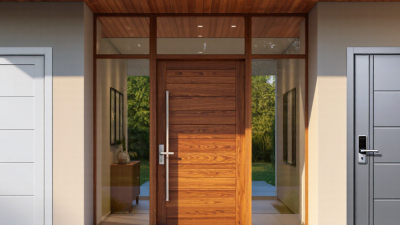
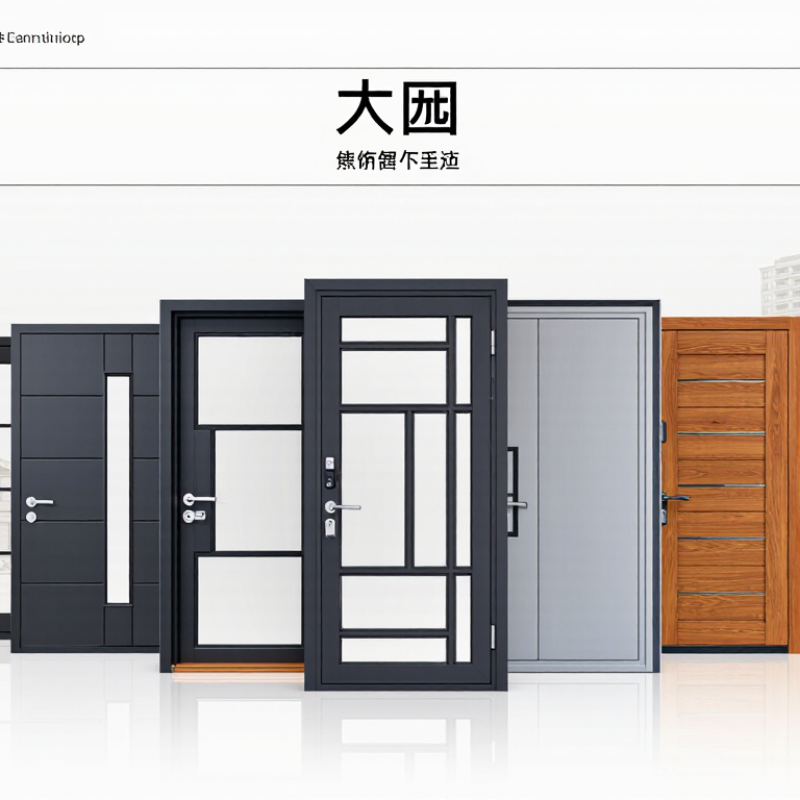
Modern front doors manufactured in China often combine clean lines with practical construction. Flush slab doors are especially common, using aluminum, steel, or engineered wood cores. Their smooth surfaces suit minimalist homes and make dust easy to wipe away. Slim vertical glass panels add daylight without exposing the entire entryway. Many factories also produce pivot doors, double doors, and oversized single doors for wider entrances.

Aluminum doors usually receive powder-coated finishes in black, bronze, white, or muted gray. The coating can resist outdoor wear when the preparation and curing are properly controlled. Steel doors provide a solid feel and can support decorative grooves or narrow windows. Wood-look doors use veneers or printed finishes over stable substrates. They appear warm, but direct sun may reveal color differences over time.

Details matter more than appearance alone. I would check frame depth, insulation, gasket placement, hinge capacity, drainage, and locking hardware before approving a design. Ask for corner samples and finish samples, not only digital images. They show uneven coating or slight color shifts. No style is perfect. A large glass panel may improve light but reduce privacy and thermal performance. Factory drawings, measured openings, and documented inspection records help reduce installation problems. Still, mistakes happen when site measurements are rushed.
Key Materials Used in Chinese Modern Front Door Production

Modern front doors made in China often combine steel, aluminum, wood, and glass. Material choice affects security, insulation, weight, and maintenance. Galvanized steel provides a rigid core and resists everyday impact. Aluminum offers a lighter frame with strong resistance to moisture and corrosion. Neither material is perfect. Poor thermal breaks can still create cold edges around the opening. That detail matters in winter.

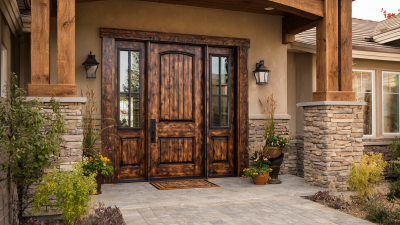
Solid wood or engineered wood adds warmth and a textured surface. Engineered cores usually reduce warping when humidity changes. I would inspect corner joints, edge sealing, and moisture protection before judging appearance. Tempered or laminated glass can bring daylight without making the entrance feel exposed. Low-emissivity coatings may improve comfort, but performance depends on correct installation. A beautiful panel can fail if the frame twists. Small gaps become noticeable during rain.

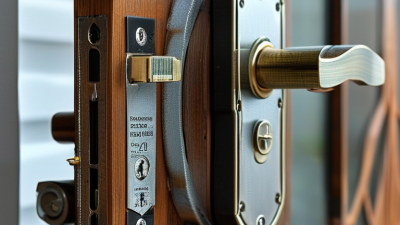
Reliable production also depends on powder coating, weather seals, hinges, locks, and threshold design. Ask for material thickness, coating tests, hardware load ratings, and thermal data. Check the hinges closely. Factory samples should be examined under direct light, not only in catalog photographs. Independent inspection is useful when order volumes are large. Some specifications look impressive yet remain unclear. Request measurable values and written tolerances. A modern door should feel solid, close smoothly, and protect the interior from drafts without excessive maintenance.

What Are the Best Modern Front Doors from China?

Key materials used in modern front door production are compared by typical thermal conductivity. Lower values generally indicate better insulation performance, while complete door performance also depends on the frame, seals, glazing, and core design.

Values are typical reference figures in watts per meter-kelvin (W/m·K): polyurethane foam approximately 0.025, wood approximately 0.12, low-emissivity glass approximately 1.0, stainless steel approximately 15, and aluminum approximately 205. Actual values vary by alloy, density, moisture, temperature, and product construction.

How to Evaluate Security, Energy Efficiency, and Durability

What Are the Best Modern Front Doors from China?

Choosing a modern front door from China requires more than judging its appearance. Security, energy efficiency, and durability should guide the evaluation. A reliable door normally has a reinforced core, strong hinges, and a tested multipoint locking system. Ask for independent test reports, not only factory descriptions. Check whether the lock, frame, and glass meet the building requirements in your country.

Energy performance depends on the complete door assembly. Look for insulated panels, thermal breaks, and continuous weather seals. A low U-value can reduce heat transfer, but installation still matters. Measure the frame carefully and inspect the threshold design. Small gaps around the edges can defeat expensive insulation. This detail is often underestimated.

Durability also depends on climate and maintenance. Powder-coated metal may resist moisture, while stainless hardware can perform better near coastal areas. Examine welds, drainage holes, gasket quality, and surface finishing. Request salt-spray or corrosion data when relevant. Not every impressive sample represents long-term performance. That deserves caution.

Delivery protection matters too, because a damaged corner can create future water problems. A practical evaluation should compare specifications, test evidence, warranty terms, replacement parts, and installation support. Some choices may still involve compromise. A heavier security door can be harder to operate, and highly insulated designs may cost more upfront. Recheck the details before ordering.

Leading Customization Options for Chinese Front Doors

Modern front doors from China now offer more than attractive pricing. They provide detailed customization for different climates, buildings, and security expectations. Buyers can select aluminum, steel, solid wood, or composite constructions. Glass panels, concealed hinges, smart locks, thermal breaks, and custom colors are also available. A 2024 report from Grand View Research valued the global doors market at approximately USD 140 billion in 2023. This demand encourages Chinese manufacturers to improve design precision and export quality. Still, not every factory delivers the same result.

Customization begins with accurate measurements. A door opening that is only a few millimeters wrong may cause drafts or difficult closing. Ask for CAD drawings, material samples, water-resistance details, and independent test documents. For colder regions, request low-conductivity cores and insulated frames. For coastal homes, marine-grade coatings can reduce corrosion. Powder coating usually creates a clean, even surface, but dark colors may absorb more heat. That detail is easy to overlook. According to the U.S. Department of Energy, ENERGY STAR certified doors can reduce household energy loss when properly installed. Installation quality remains critical, and I would not treat it as an afterthought.

Tips: Confirm the finished opening size before production. Request a physical color sample. Check hinges, seals, drainage, packaging, and replacement-part support. Compare the quoted hardware specification, not only the door price. Ask for production photos and a pre-shipment inspection. Some customization looks impressive online but feels excessive in daily use. A simpler design may age better.

What Are the Best Modern Front Doors from China? - Leading Customization Options for Chinese Front Doors
Door System Typical Construction Common Customization Options Typical Thermal Performance Security Features Weather and Maintenance Profile Best-Fit Applications Typical Custom Production Time
Thermally Broken Aluminum Door 60–100 mm insulated aluminum profiles with polyamide thermal breaks, insulated core, and double- or triple-glazed sidelights.
  • Powder coating, anodized finishes, wood-effect finishes
  • Single, double, pivot, or hinged configurations
  • Custom colors, handles, glazing, transoms, and sidelights
  • Flush, grooved, slatted, or minimalist panel designs
Approximately 1.0–2.0 W/m²K for a complete insulated door, depending on profile depth, panel construction, glazing, and size. Multi-point locking, reinforced hinges, laminated security glass, concealed cylinders, and optional smart-access preparation. Strong resistance to moisture, UV exposure, and corrosion when correctly finished. Requires limited routine maintenance. Contemporary homes, apartments, coastal areas, and projects requiring large glazed sections or wide entrance panels. Approximately 4–8 weeks after approved drawings and deposit.
Stainless Steel Security Door Stainless steel skin or frame with a reinforced internal structure, insulated core, and optional decorative exterior panels.
  • Brushed, satin, mirror, PVD, or powder-coated surfaces
  • Laser-cut patterns, grooves, perforations, and inlays
  • Custom hardware, vision panels, house numbers, and lighting
  • Different stainless steel grades for indoor or exterior use
Approximately 1.3–2.5 W/m²K when an insulated core and thermally improved frame are used. Reinforced door leaf, multi-point deadbolts, anti-pry construction, security hinges, and optional certified hardware packages. Very durable and impact-resistant. Exterior stainless steel should be cleaned periodically, especially in salt-air environments. High-security residences, luxury entrances, commercial buildings, and locations requiring a durable metal surface. Approximately 5–10 weeks, depending on decorative fabrication.
Fiberglass Composite Door Fiberglass-reinforced skins over a polyurethane or other insulated core, usually installed in a weather-resistant frame.
  • Wood-grain, smooth, or painted surface textures
  • Custom panel profiles and decorative glass
  • Multiple stains, colors, hardware sets, and glazing layouts
  • Single or double-door configurations
Approximately 0.8–1.8 W/m²K for insulated door assemblies, depending on frame, glazing, and weather seals. Reinforced lock areas, multi-point locks, laminated glass options, adjustable hinges, and upgraded strike plates. Good resistance to dents, moisture, and temperature changes. Painted or stained surfaces may require periodic refinishing. Energy-conscious residential projects, humid climates, and homes seeking a timber appearance with lower maintenance. Approximately 4–8 weeks after color and design approval.
Engineered Timber Door Laminated or engineered wood construction with insulated cores, hardwood veneers, protective coatings, and weather-sealed frames.
  • Oak, walnut, ash, teak-look, or painted veneer finishes
  • Flat, shaker, slatted, fluted, or carved front panels
  • Custom dimensions, glass inserts, sidelights, and transoms
  • Natural oil, stain, lacquer, or exterior paint finishes
Approximately 1.0–2.0 W/m²K when built with an insulated core and properly sealed frame. Multi-point locking, reinforced strike zones, security glazing, heavy-duty hinges, and optional concealed hardware. Offers natural visual warmth but needs careful sealing and periodic maintenance in direct rain, strong sun, or high humidity. Premium villas, renovation projects, traditional-modern homes, and entrances where natural material appearance is important. Approximately 6–12 weeks, depending on veneer and finish selection.
WPC or Composite Panel Door Wood-plastic composite or mineral-composite exterior panels over an insulated core, combined with aluminum, steel, or composite frames.
  • Wood-look, stone-look, matte, textured, or solid-color panels
  • Grooved, ribbed, fluted, and geometric surface patterns
  • Custom panel combinations, colors, handles, and glass sections
  • Coordinated wall cladding and garage-door finishes
Approximately 1.0–2.2 W/m²K, depending on core insulation, frame design, and glazing configuration. Reinforced lock zones, multi-point locks, anti-lift hinges, and optional smart-lock compatibility. Generally moisture-resistant, dimensionally stable, and easy to clean. Exact UV and impact performance depends on the panel formula. Modern residential developments, humid regions, and projects requiring coordinated exterior finishes. Approximately 4–8 weeks for standard panel patterns.
Insulated Steel Door Galvanized or coated steel skins around a foam or mineral-wool core, normally fitted with reinforced frames and weather seals.
  • Embossed, smooth, wood-effect, or powder-coated surfaces
  • Custom colors, panel profiles, vision panels, and louvers
  • Single, double, fire-rated, or service-entrance configurations
  • Door closers, panic hardware, and access-control preparation
Approximately 1.2–2.5 W/m²K for insulated models, with performance affected by frame design, glazing, and thermal bridging. High resistance to forced entry when paired with a reinforced frame, multi-point lock, security hinges, and suitable cylinder protection. Durable and cost-effective. Damaged coatings should be repaired promptly to reduce the risk of corrosion. Utility entrances, apartments, warehouses, fire-rated applications, and projects prioritizing durability and value. Approximately 3–7 weeks; certified configurations may take longer.
Performance figures are typical design ranges rather than guaranteed ratings. Final thermal, acoustic, wind-load, water-tightness, fire, and security performance should be confirmed through the product’s tested assembly, approved drawings, local building codes, and installation conditions.

Steps for Selecting and Importing the Right Front Door

Selecting a modern front door from China starts with the building opening, not a catalog image. Measure width, height, wall thickness, sill height, and door swing direction. Record everything in millimeters. A beautiful door can still fail when the frame is two centimeters too deep.

Performance deserves equal attention. The U.S. Department of Energy notes that windows and doors are major sources of residential heat loss and gain. The IEA’s 2023 Global Status Report for Buildings and Construction reports that buildings consume about 30% of global final energy. Request verified U-factor, air-leakage, water-penetration, and structural test results. Reports should match the exact door size, glass type, frame, and hardware. Generic certificates are weak evidence.

Ask the factory for a technical drawing, material schedule, finish sample, packaging photos, and a pre-shipment inspection plan. Check stainless-steel grade, thermal breaks, drainage holes, hinges, locks, and replacement-part availability. Compare the landed cost, not only the factory price. Include crating, freight, insurance, import charges, brokerage, and local installation. Use clear purchase terms and a written defect procedure. A low quote may become expensive after rework. I have seen this overlooked. Confirm production tolerances before payment, and have a qualified local installer inspect the opening before delivery.