Doors &
Windows

What Types of Residential Doors Are Best?

Choosing the right residential doors affects comfort, security, energy use, and the character of a home. A front door may welcome guests, while patio and garage doors manage movement, weather, and privacy. The best option depends on more than appearance. Climate, exposure, maintenance habits, budget, and daily use all matter.

Consider the materials carefully. Fiberglass doors can resist moisture and imitate painted wood, while steel doors often provide strong security and dependable value. Wood doors offer warmth and distinctive grain, but they may need regular sealing, especially in wet or sunny locations. Sliding glass doors bring natural light into a living room, yet their seals, locks, and tracks require attention. Small failures become annoying quickly.

There is no universal winner.

A practical evaluation should include insulation performance, frame quality, hardware durability, and professional installation. Even an excellent slab can perform poorly when the threshold is uneven or the weatherstripping is compressed incorrectly. Experienced installers usually inspect the opening, drainage, wall condition, and local weather demands before recommending a product. Manufacturer specifications and recognized energy ratings also deserve careful review.

This guide compares common residential doors through those real-world considerations. It also questions attractive features that may increase maintenance or reduce privacy. A modern glass door can look impressive, but glare and fingerprints may change the experience. The most suitable choice is not always the most expensive one. It is the door that fits the home, the climate, and the people using it every day. Expect trade-offs. That is where sound decisions begin.
What Types of Residential Doors Are Best?

Main Types of Residential Doors and Their Typical Uses

What Types of Residential Doors Are Best?
Main Types of Residential Doors and Their Typical Uses

The best residential door depends on location, climate, security needs, and daily traffic. Solid-core hinged doors suit bedrooms, bathrooms, and home offices because they reduce sound. Fiberglass or steel entry doors work well at main entrances. They resist weather and provide stable insulation. Sliding patio doors save floor space beside decks or gardens. French doors create a wider opening, but their swing area can complicate furniture placement. Pocket doors help small bathrooms and narrow hallways. They disappear into the wall, although repairs may require more access.

The 2024 Cost vs. Value Report by JLC reported a 188.1% cost recoup for steel entry-door replacement. This figure reflects resale value, not guaranteed performance. A door with a high return can still feel wrong if its threshold leaks air. The U.S. Department of Energy recommends checking weatherstripping, frame alignment, and glazing performance. In practice, small installation gaps often undermine expensive materials. That part is easy to overlook.
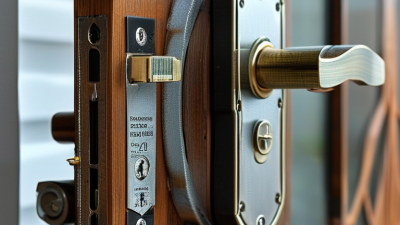
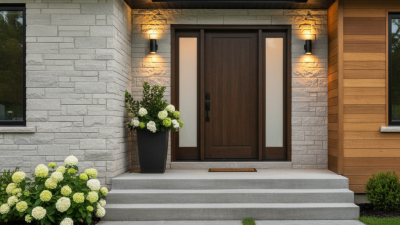
Tips: Measure the rough opening before choosing a style. Check the door’s U-factor and visible transmittance through the NFRC label. For sunny rooms, low-glass-area doors may reduce heat gain. For busy entrances, choose durable hinges and a replaceable threshold. A beautiful glass door may need frequent cleaning. My own preference would change after one winter of drafts.

How Door Materials Affect Strength, Insulation, and Maintenance

What Types of Residential Doors Are Best?

Door material affects strength, insulation, and maintenance more than appearance alone. Steel doors offer strong security and resist warping, but their cores and edges need careful protection from moisture. Fiberglass doors provide stable insulation and usually resist dents, rot, and temperature changes. Wood doors feel substantial and can be repaired, yet they demand regular sealing. Without that protection, swelling around the lower edge becomes common.

The U.S. Department of Energy’s Energy Saver guidance reports that air leakage can represent 25–40% of a home’s heating and cooling energy use. A poorly fitted door can therefore waste more energy than its material suggests. Check the door’s U-factor, visible through National Fenestration Rating Council documentation when available. Lower U-factors generally indicate better insulation. Also inspect weatherstripping, the threshold, and the frame. These details often decide comfort. A strong door with a weak seal is an expensive contradiction.

Tips: Choose fiberglass for low maintenance in wet or highly variable climates. Choose steel when impact resistance matters, but repair exposed scratches quickly. Choose wood when architectural character justifies seasonal upkeep. Ask for tested air-leakage information, not vague “energy-saving” claims. In practice, installation errors can erase impressive laboratory results. That is the part many buyers underestimate. A final hand check should find no daylight around the closed slab.

Key Features to Compare When Choosing a Residential Door

What Types of Residential Doors Are Best?

Key Features to Compare When Choosing a Residential Door

The best residential door depends on your climate, entrance layout, and daily routine. A solid wood door offers warmth and character, but it needs regular sealing in damp weather. Steel doors provide strong impact resistance and stable performance. Fiberglass doors resist moisture and often require less maintenance. However, appearance alone should not decide your choice.

Compare the door’s insulation value, frame construction, and weather seals. A well-fitted door should reduce drafts around the threshold and edges. Check the glazing, too. Double-pane glass can improve comfort near a bright entrance. For security, examine the lock area, hinge protection, and material thickness. A heavy door is not automatically safer. Poor installation can weaken excellent hardware.

Measure the opening carefully. Small errors can cause rubbing, air leakage, or difficult closing. Ask an experienced installer to inspect the sill and surrounding wall before ordering. Swing direction also matters in narrow hallways and busy entryways. Consider cleaning needs, repainting, drainage, and future repairs. Online reviews can help, but they rarely show how a door performs after several winters. I have seen attractive doors fail because owners ignored sunlight and water exposure. No option is perfect. The practical choice balances security, insulation, maintenance, accessibility, and long-term cost.

What Types of Residential Doors Are Best?

Key feature comparison for common residential door materials

Ratings use a comparative 1–5 index based on typical construction characteristics. A higher score indicates stronger thermal insulation, security, weather resistance, or easier maintenance. Actual performance depends on core design, glazing, seals, frame quality, installation, and local climate.

Which Residential Doors Suit Different Climates and Home Styles

What Types of Residential Doors Are Best?

Climate should guide the door choice more than appearance. In hot regions, insulated doors with low solar heat gain can reduce unwanted indoor heat. In cold climates, choose a low U-factor and a tight perimeter seal. The U.S. Department of Energy reports that windows, skylights, and doors cause 25–30% of residential heating and cooling energy use. That figure makes installation quality important.

Humid coastal homes need corrosion-resistant hardware and moisture-stable materials. Fiberglass and well-finished composite doors often resist swelling better than untreated wood. Dry, sunny areas may need ultraviolet-resistant finishes and shaded entries. Wind-prone locations require tested assemblies, stronger hinges, and suitable locking points. The Federal Emergency Management Agency recommends pressure-rated openings in areas exposed to severe wind. Local codes still decide the final specification.

Home style matters, but it should not control every decision. A solid wood door suits traditional architecture, while clean-lined insulated steel or fiberglass fits modern homes. I would not judge performance by material alone. A poorly fitted premium door can leak air, while a simpler door may perform better. That is an easy mistake.

Tips: Read the National Fenestration Rating Council label. Compare U-factor, solar heat gain coefficient, air leakage, and visible transmittance. Check the sill, weatherstripping, and threshold before ordering. Measure the opening twice. Small gaps become expensive.

What Types of Residential Doors Are Best?

Which Residential Doors Suit Different Climates and Home Styles

Door Type Best Climate Suitable Home Styles Typical Advantages Main Limitations Insulation Potential Maintenance Level
Insulated Steel Cold, windy, and temperate climates Traditional, colonial, craftsman, and modern homes Strong security, stable shape, good energy efficiency, and generally cost-effective Can rust if the protective finish is damaged; dents may be difficult to repair High when the core is polyurethane or polystyrene and the frame is properly sealed Low
Fiberglass Humid, rainy, coastal, hot, and cold climates Contemporary, craftsman, farmhouse, and transitional homes Resists moisture, warping, cracking, and corrosion; can replicate the appearance of wood May cost more than basic steel; severe impacts can cause surface damage High with a well-insulated core and weatherstripped frame Low
Solid Wood Dry or moderate climates with controlled exposure to moisture Traditional, craftsman, Mediterranean, rustic, and luxury homes Natural appearance, customizable designs, strong visual character, and good sound reduction Can swell, shrink, or warp with moisture and temperature changes; usually heavier Moderate to high, depending on thickness, construction, and weather seals High
Engineered Wood Temperate climates and protected entrances in humid regions Farmhouse, craftsman, traditional, and transitional homes Wood appearance with improved dimensional stability and design flexibility Still requires sealing; prolonged water exposure can damage exposed edges Moderate to high when constructed with insulated cores and quality seals Moderate
Aluminum Humid, coastal, and mild climates Modern, minimalist, industrial, and mid-century homes Lightweight, corrosion-resistant with suitable finishes, and available in slim profiles Conducts heat unless thermally improved; can dent more easily than steel Low to high, depending on thermal breaks and insulated construction Low
Glass and Aluminum Mild climates or sheltered entrances; select insulated glazing for temperature extremes Contemporary, modern, minimalist, and urban homes Provides daylight, clean lines, and a strong connection between indoor and outdoor spaces Less privacy, fingerprints and water spots are visible, and basic glazing can increase heat transfer Moderate to high with double glazing, low-emissivity coatings, and thermally broken frames Moderate
Composite Variable climates with seasonal temperature and moisture changes Contemporary, traditional, townhouse, and family homes Combines low maintenance with resistance to moisture, insects, and dimensional movement Quality and performance vary by construction; repairs may be less straightforward Moderate to high, depending on the internal core and frame system Low
Storm-Rated Door Hurricane-prone coastal and high-wind regions Any style when matched with the home's architecture Enhanced resistance to wind pressure and flying debris when properly tested and installed Higher cost and weight; requires approved hardware, frame anchoring, and installation details Moderate to high, depending on the door material and insulated core Low to moderate
Selection Tip: A door's real-world performance depends on the complete assembly, including the slab, frame, sill, weatherstripping, glazing, hardware, and installation. For energy efficiency, compare tested U-factor and air-leakage results rather than material alone. In coastal or high-wind areas, verify that the complete door system meets the applicable local building requirements.

How to Select the Best Door for Security, Access, and Budget

Choosing the best residential door starts with risk, not appearance. During site inspections, I check sightlines, frame condition, hinge exposure, and lock alignment. The FBI’s 2023 Crime Data Explorer recorded roughly 847,000 burglary offenses nationwide. That figure cannot predict your personal risk. Still, it supports a reinforced frame, secure hinges, and a deadbolt tested against recognized ANSI/BHMA standards. Steel doors usually offer strong security at moderate cost. Fiberglass doors resist moisture and often provide better insulation. Wood looks warm, but it demands more maintenance.

Access matters every day. Lever handles can help residents with limited grip strength. Wider clear openings support wheelchairs, walkers, and moving furniture. Low thresholds reduce trip hazards, but they need careful water sealing. For homes with children or older adults, visibility through glazing or a properly positioned viewer may improve awareness. Where local requirements apply, confirm fire-rated door specifications with a qualified professional. I have seen attractive doors fail because the frame was poorly installed. The slab was not the real problem.

Budget planning should include installation, hardware, trim, and future maintenance. The 2024 Cost vs. Value Report lists an average steel entry-door replacement cost of about $2,355, with an estimated resale value near $4,430. That is a national benchmark, not a promise. The U.S. Department of Energy’s 2020 Residential Energy Consumption Survey found heating and cooling represented about half of household energy use. A sealed, insulated door may reduce drafts, depending on climate and workmanship. I sometimes over-specify security. A simpler door may be wiser on a visible, low-risk porch.