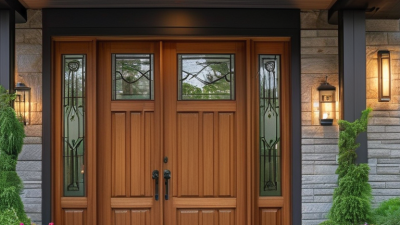
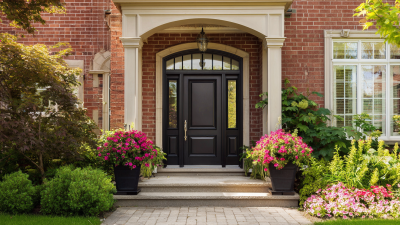
Why Choose the Right Exterior Doors for Your Home?
Your home’s exterior doors do more than mark an entrance. They influence curb appeal, comfort, privacy, and everyday security. A well-chosen door can help limit drafts and outside noise, while an unsuitable one may feel cold near the frame or become difficult to close. Small details matter. Notice how sunlight falls across the entry, whether rain reaches the threshold, and how often family members use the door.
Material and construction should match your home’s climate, maintenance needs, and budget. Fiberglass can offer a practical balance of insulation and upkeep; steel is valued for strength, while wood brings warmth but may need more regular care. Performance also depends on proper fitting. Even a quality door can leak air if its weatherstripping is worn or installation leaves gaps. For reliable comparisons, check documented energy and security ratings, and ask a qualified installer about the frame, hardware, and threshold—not just the door’s appearance.
It is easy to focus on style first. That choice is understandable, but it can overlook how the door will work through years of changing weather and daily use. Consider how it opens, how much natural light you want, and whether the finish suits your routine. There is no single best option for every home. The right exterior doors are those that fit the house, perform well in local conditions, and feel dependable each time you use them.
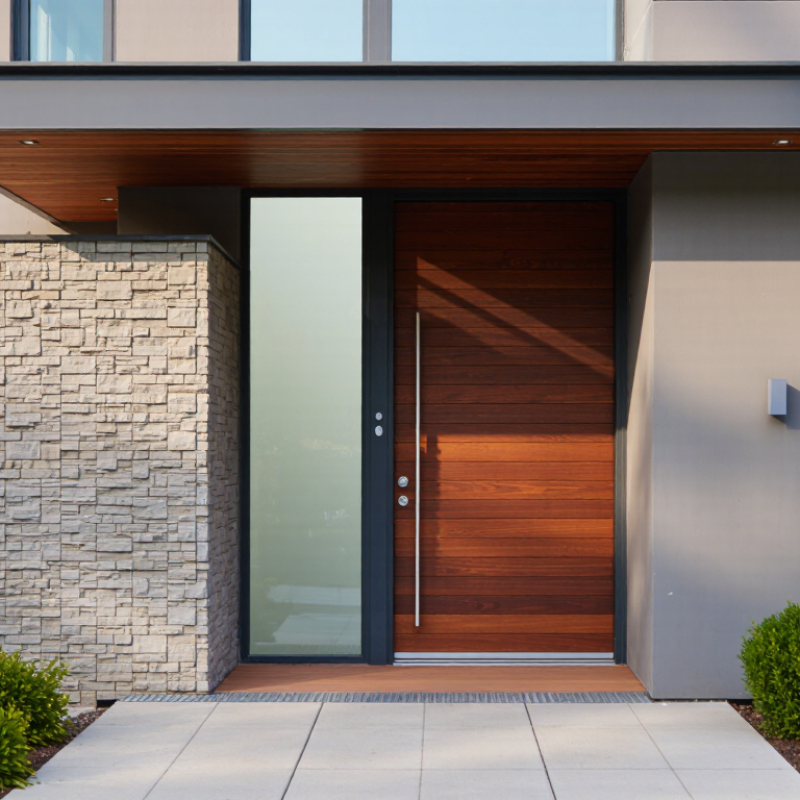
The Role of Exterior Doors in a Home
An exterior door does more than close an opening. It separates indoor life from rain, wind, street noise, and sudden temperature changes. On a windy evening, a poorly fitted door may let cold air slip around its edges. A tight seal helps limit drafts, while sound construction can make a busy street feel less present. Small details matter. The threshold, frame, weatherstripping, and hardware all affect how the door works day after day. A quiet difference.
The door also shapes how people enter and leave the home. A clear opening and a stable handle can make daily use easier for children, older adults, or anyone carrying groceries. For safety, check that the frame feels solid and the lock operates smoothly; installation matters as much as the door itself. Look closely at the threshold after rain, too. Water should not collect there or seep indoors. Appearance still counts, but it can distract from practical needs. A glass panel may brighten a dim entry, yet its placement affects privacy. Choosing well means weighing comfort, access, upkeep, and style—and admitting that no single door excels at everything.
Why Choose the Right Exterior Doors for Your Home?
ENERGY STAR® maximum U-factor criteria for residential doors vary by U.S. climate zone. A lower U-factor means less heat passes through the door.
Choose a door that meets the criterion for your climate zone to help limit heat transfer. Criteria shown are maximum U-factors, measured in Btu/h·ft²·°F; they are not regional averages. Source: ENERGY STAR — Doors.
Common Exterior Door Materials and Their Properties
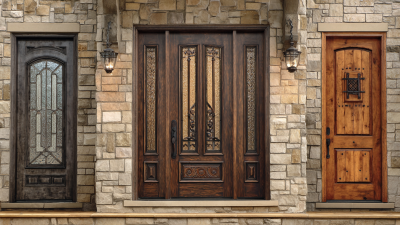
Exterior doors face rain, sunlight, temperature swings, and daily use. Wood feels substantial and can be repaired or refinished when its surface wears. Its grain also gives an entryway a distinct, natural look. However, wood can swell in damp weather or shrink during dry spells. A neglected finish may let moisture reach the door’s edges. Its weight matters, too; hinges and the frame need to support it properly. That matters.
Steel doors often provide a firm, secure feel and may include an insulating core. Their painted surface is easy to clean, but a deep dent can be difficult to fix. If the coating is scratched, exposed steel may rust over time. Fiberglass resists moisture and needs relatively little upkeep. Some designs imitate wood grain, though the texture may look less convincing up close. Aluminum is lightweight and resists corrosion, but it conducts heat readily, so insulation and thermal breaks deserve attention. Not always. The best material depends on your weather, maintenance habits, and entryway exposure. Check the door’s edges, seals, threshold, and frame—not just its face. A poor seal can leave a noticeable draft even with a durable door.
Factors to Consider When Choosing a Door
Choosing an exterior door starts with your climate, entryway, and daily habits. In a cold region, compare the door’s U-factor; a lower rating generally means less heat transfer. The National Fenestration Rating Council label also lists solar heat gain, helping you compare products on consistent terms. Details matter. A south-facing door with glass may brighten a dim hall, but it can also increase summer heat. Consider how much light you want, and whether privacy matters more.
Material affects upkeep and feel. Fiberglass resists moisture and needs little maintenance, while wood offers warmth but may need periodic refinishing. Steel can provide a sturdy option, though scratches may expose metal to rust. Check the frame, weatherstripping, hinges, and threshold as carefully as the slab. A high-performing door can still leak if it is poorly fitted.
Cost matters, but value is not guaranteed. Remodeling’s 2024 Cost vs. Value Report estimated that a steel entry-door replacement cost $2,355 nationally and added $4,430 in resale value, a modeled 188.1% cost recoup. Treat that figure as a market estimate, not a promise; local prices and home conditions vary. Before choosing, confirm the door’s swing clears furniture and steps, and ask how installation will seal the sill. A tiny gap can undo careful product selection.
How Installation Affects Security and Energy Efficiency
A well-made exterior door can still be a weak point if it is installed poorly. Security depends on more than the lock. The frame must sit square, and its fasteners should reach solid framing, not just trim. Hinges need secure screws, while the strike plate must align cleanly with the latch. If the door scrapes or needs a hard pull to close, that is worth fixing. Small gaps matter.
Installation also affects energy use. An uneven frame can leave narrow openings where cold air slips in, even when the door itself is insulated. A careful installer checks the opening, shims the frame evenly, and seals the space between the jamb and wall. Weatherstripping should touch the door without making it difficult to close. At the threshold, look for a consistent seal, not a visible strip of daylight.
After fitting, test the door on a breezy day and check for drafts around the edges. A smoke pencil can help reveal airflow, but it does not diagnose every insulation problem. A neat bead of caulk is not proof of a proper seal. If the door still sticks after adjustment, the frame may need another look; caulk can hide a gap, not correct it.
Exterior Door Care, Repair, and Replacement
Why Choose the Right Exterior Doors for Your Home?
Exterior doors need regular care because small faults can grow. Check the threshold for daylight, inspect weatherstripping for cracks, and look for peeling paint or soft wood near the bottom edge. A door that sticks may need hinge adjustment, not replacement. Still, persistent drafts, moisture damage, or a loose frame deserve prompt attention. Don’t ignore them.
For a basic check, close the door on a strip of paper. If it slides out easily, the seal may be weak. Clean tracks and hinges, tighten loose screws, and replace worn weatherstripping where needed. Avoid forcing a swollen door; that can worsen damage. I’ve found that quick fixes sometimes mask a deeper frame problem, so inspect the surrounding trim too.
Replacement makes sense when repairs no longer restore a secure, weather-tight fit. The Journal of Light Construction’s 2024 Cost vs. Value Report estimated a national average cost of $2,355 for a steel entry-door replacement and a resale value of $4,430. These figures are market averages, not a promise of what a homeowner will recover. Before choosing a new door, compare its frame condition, fit, finish, and insulation details. Measure carefully. A well-made door can still perform poorly if it is installed out of square.