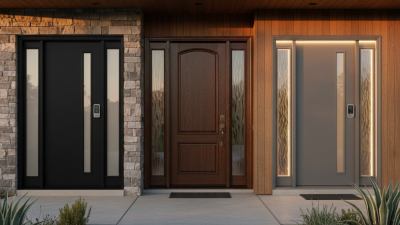
Choosing the best residential entry doors for 2026 means balancing appearance with everyday performance. A door faces rain, sunlight, temperature changes, and repeated use. It also shapes the first impression of a home. There is no single best choice for every property. Climate, entryway design, budget, and maintenance preferences all matter.
This guide compares common options, including fiberglass, steel, and wood, and explains where each may fit. Fiberglass can offer versatile finishes and relatively simple upkeep. Steel often suits buyers focused on durability and value, though dents and finish quality deserve attention. Wood brings natural warmth, but usually needs more regular care. Details count. We’ll also look at insulation, glazing, locks, weatherstripping, and installation, since a quality slab can still perform poorly in a badly fitted frame. Product labels and warranties are useful, but they do not replace checking specifications for your home and region. Ask a qualified installer about fit, threshold condition, and likely exposure to moisture or direct sun. No door is perfect. A detail that looks minor in a showroom may matter after years of seasonal changes. The aim is to help you compare options clearly, spot trade-offs, and choose residential entry doors that suit your home—not just a photo or a trend.
What Are the Best Residential Entry Doors for 2026?
The best entry door depends on your climate, home, and daily routine. A door facing hard afternoon sun has different needs from one exposed to driving rain. Before choosing a style, check the frame, threshold, and opening. A well-made door cannot fix a poorly fitted installation.
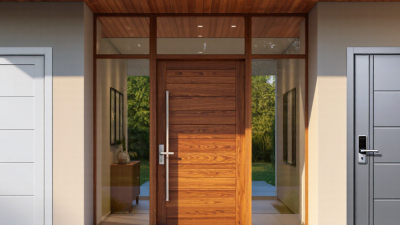
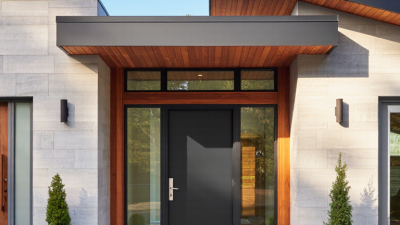
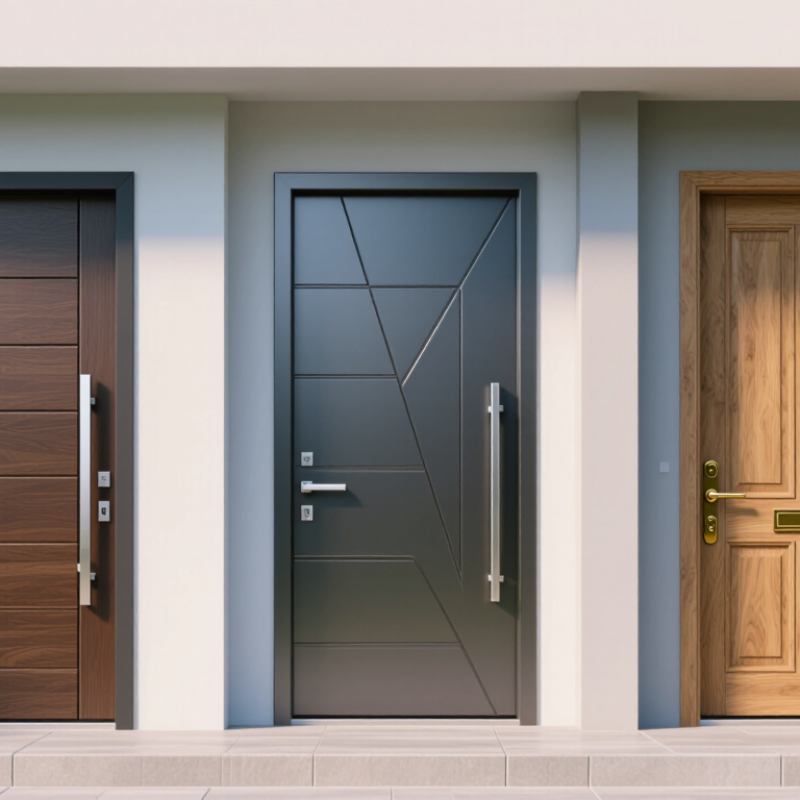
Fiberglass resists moisture and needs relatively little upkeep. Its surface can resemble painted wood, though details vary by model. Steel offers strength and a smooth finish, but damaged coatings may expose it to rust. Wood brings natural grain and warmth. It also needs regular care. Beautiful, but demanding. I would not choose by appearance alone; that is an easy mistake.
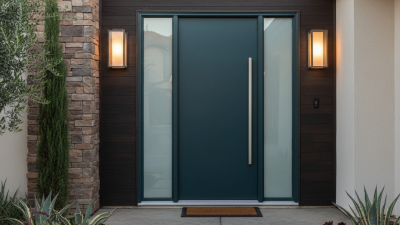
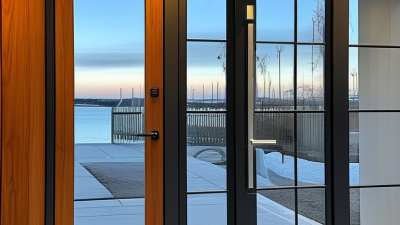
Look for a well-insulated core, continuous weatherstripping, and a tight-fitting threshold to limit drafts. Check that the door closes evenly, without scraping or rattling. Small gaps matter. Glass panels can brighten a dim foyer, while clear, textured, or frosted glazing changes privacy and light. Consider secure locking hardware suited to the door’s construction. Ask an experienced installer to assess the frame and local weather exposure before ordering. Measure carefully; even a small mismatch can complicate the fit.
Compare common entry-door materials and configurations. Actual insulation, durability, security, and maintenance depend on the complete door system, installation quality, finish, and product-specific test results.
| Door Type | Typical Construction | Energy Efficiency | Durability and Weather Resistance | Maintenance | Security Considerations | Best Suited For |
|---|---|---|---|---|---|---|
| Insulated steel | Steel skins over a foam-insulated core, usually fitted in a wood or composite frame. | Often good when the slab, frame, weatherstripping, and threshold form a well-sealed assembly. | Resists warping and cracking; exposed scratches or dents can lead to corrosion if the finish is not repaired. | Low; clean periodically and touch up damaged paint or coating. | Strength depends on the complete assembly, including the lock, strike plate, hinges, frame, and installation. | Homeowners seeking a practical, insulated option with relatively low upkeep. |
| Fiberglass composite | Molded fiberglass skins, commonly with a polyurethane foam core; available in smooth or wood-grain finishes. | Often good because insulated cores and effective perimeter seals can limit heat transfer and drafts. | Resists moisture and everyday weather exposure; performance varies with finish, exposure, and installation. | Generally low; inspect seals and refinish or repaint when required by the product instructions. | Look for a complete, well-fitted system with reinforced locking areas and compatible hardware. | Homes needing a balance of insulation, design options, and modest maintenance. |
| Solid wood | Constructed from solid wood or engineered wood components; species, construction, and finish vary. | Varies by thickness, construction, glazing, and the quality of the frame and seals. | Can respond to changes in moisture and temperature; a suitable finish and sheltered installation help protect it. | Higher than many alternatives; inspect the finish and maintain it as recommended. | Security depends on door construction, frame condition, hardware, glazing, and installation—not material alone. | Projects where natural appearance, repairability, and traditional character are priorities. |
| Aluminum-clad wood | Wood interior with an exterior aluminum cladding layer; construction details differ among products. | Depends on the wood core, thermal breaks, glass area, seals, and installation. | Exterior cladding helps shield the wood from weather; damaged cladding or joints still require attention. | Typically less exterior refinishing than exposed wood; inspect cladding, joints, and weather seals. | Evaluate the frame, locking points, hinges, glazing, and tested performance of the assembled unit. | Homeowners who want a wood interior appearance with a more weather-protected exterior surface. |
| Steel or fiberglass with decorative glass | Insulated door slab incorporating one or more glazed panels; glass may be clear, textured, or privacy-rated. | Depends on the glazing’s insulating properties, glazed area, frame, and perimeter sealing. | Door-slab durability depends on its base material; glazing and seals should be checked periodically. | Clean the glass and inspect glazing seals and weatherstripping. | Consider glazing location, glass type, visibility, and compatible locking hardware when planning security. | Entrances where daylight and a decorative appearance are important. |
| Double entry doors | Two coordinated door leaves in one frame; one leaf is commonly secured with flush bolts when closed. | Potentially efficient when both leaves, the meeting stile, frame, and threshold seal tightly. | Performance depends on alignment, hardware adjustment, weather exposure, and the materials selected. | Inspect both leaves, meeting seals, hinges, flush bolts, and weatherstripping. | Secure the inactive leaf with properly fitted bolts and ensure the active leaf’s lock engages the frame correctly. | Wide entrances that need a larger opening for moving furniture or creating a formal entry. |