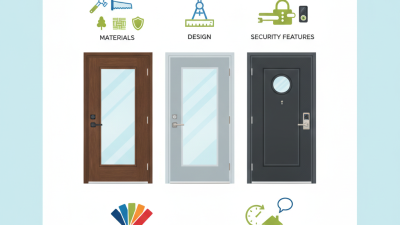
Choosing among the 10 Best Front Doors for Any Home in 2026 involves more than matching a color to your siding. A front door affects security, insulation, maintenance, curb appeal, and the feeling created before guests enter. Homeowners now face practical choices, including solid wood, fiberglass, steel, aluminum, and composite designs. Each material performs differently under rain, sunlight, temperature changes, and daily use.
“The front door is the handshake of the house,” says architect Sarah Susanka, a respected voice in residential design. Her observation remains useful because a door communicates character before anyone crosses the threshold. A slim black steel door can make a modern home feel sharper. A painted wood door may bring warmth, though it can demand more upkeep. Fiberglass often offers a convincing wood appearance with fewer seasonal concerns. No option is perfect.
That matters.
This guide compares front doors through real household needs, not showroom appeal alone. We consider weather exposure, glazing, locking systems, energy performance, installation quality, and long-term repair costs. A beautiful door can still disappoint if its frame leaks air or its hinges struggle with weight. Likewise, the most secure model may feel too severe for a relaxed cottage exterior. Some recommendations may challenge popular design habits. Dark finishes can fade. Large glass panels can reduce privacy. Even a premium door may fail when installed poorly.
The right choice depends on your climate, architecture, budget, and tolerance for maintenance. Use these selections as informed starting points, then inspect samples in natural light before committing.
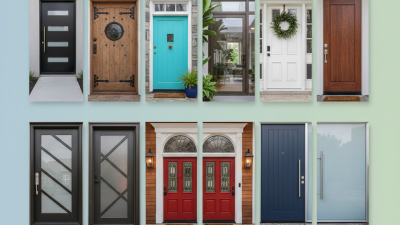
Front door materials and styles should match your climate, security needs, and daily habits. Fiberglass doors resist moisture and mimic wood grain, making them practical for rainy regions. Steel doors provide strong protection, though scratches may eventually rust without prompt care. Solid wood feels warm and authentic, but it needs sealing and regular inspection.
Engineered wood offers a steadier alternative in changing weather. Aluminum suits modern homes and resists corrosion when properly finished. Glass-panel doors brighten dark entryways, while frosted glass improves privacy. A Dutch door works well for cottages and homes with pets. Pivot doors create a dramatic entrance but require generous wall space. Double doors suit wide foyers, and sidelights make narrow halls feel larger. Each style has limits. A beautiful door can still feel wrong if it blocks furniture movement.
Tips: Measure the opening, wall depth, swing direction, and threshold height before ordering. Check drainage around the entrance. Test samples outdoors because indoor lighting can mislead you. Choose low-maintenance finishes for exposed elevations. I once underestimated afternoon heat on a dark door, and the entry became uncomfortable. That mistake changed my preference for lighter finishes. Hardware should feel solid, not merely decorative. Weatherstripping deserves attention too; small gaps can create noticeable drafts. A professional installer can also reveal framing problems that a quick measurement misses.
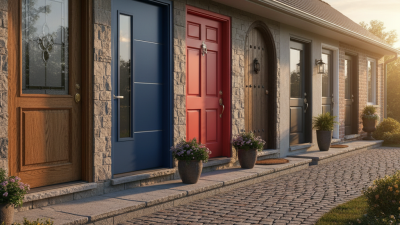
Choosing a front door starts with weather, not appearance. In humid coastal areas, fiberglass or properly sealed steel resists swelling and salt-laden air. Solid wood feels warm, but it needs careful finishing and regular inspection. I have seen neglected wood doors stick after one wet season. That mistake gets expensive. In cold climates, choose an insulated slab, tight weatherstripping, and an efficient frame. Check the threshold, too. A small gap can invite drafts, dust, and insects.
Security depends on the whole entry system. Choose a reinforced frame, long screws anchored into structural framing, and a reliable deadbolt. Glass panels should be laminated or positioned away from the lock. A beautiful door is not secure if the frame flexes. Ask an experienced installer to inspect the wall before quoting. This step is often skipped. It should not be. Smart locks may add convenience, but they still need strong physical protection and dependable battery access.
Set a complete budget, including removal, fitting, trim, painting, and future maintenance. A low-priced door can become costly when installation reveals rotten framing. Measure twice, and request written performance details for insulation and water resistance. Do not trust vague claims. If money is tight, prioritize the frame, seals, and installation before decorative glass. I would also keep a small repair fund. Homes move, finishes fade, and careful plans still need revision.
Top Front Door Designs for Traditional and Modern Homes
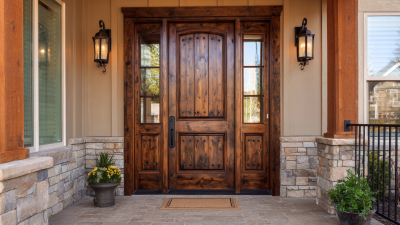
A six-panel timber door suits brick façades, stone cottages, and colonial-style entrances. Deep green, muted blue, and warm oak can add character without overpowering the architecture. Glass panels should match the home’s privacy needs. Frosted or textured glass provides daylight while limiting clear views inside. Look for solid construction, weather seals, and hardware designed for frequent use.
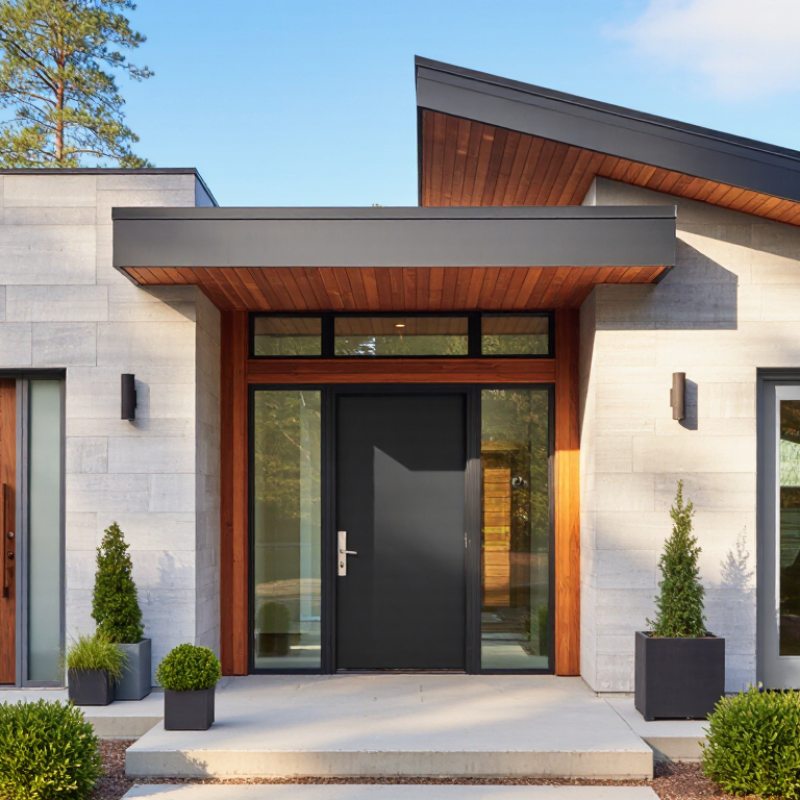
A flush door with narrow vertical glazing can complement concrete, metal, or smooth render. Fiberglass and engineered timber may offer stable performance in changing weather. The best design still depends on accurate installation. A poorly aligned frame can cause drafts, sticking, and premature wear. Check the door’s thermal rating, drainage details, and resistance to moisture before choosing a finish. Follow local building and fire-safety requirements.
A black handle may look sharp, but it can become hot in direct sun. Large glass areas create brightness, yet they may reduce privacy and increase heat gain. Consider the entry’s direction, surrounding lighting, and daily traffic. I have found that beautifully styled doors sometimes fail because maintenance was ignored. Timber needs regular inspection, while painted surfaces may need touch-ups around the threshold. Keep it restrained. A welcoming entrance should feel connected to the whole exterior, not designed as an isolated statement.
10 Best Front Doors for Any Home in 2026?
A dependable front door begins with insulation, not decoration. The U.S. Department of Energy reports that air leakage can represent 5–30% of a home’s heating and cooling energy use. A tight frame, continuous weatherstripping, and a properly fitted threshold matter greatly. Look for a door assembly with a low U-factor, verified through National Fenestration Rating Council labeling. Fiberglass and insulated steel usually provide stable thermal performance, while solid wood needs more careful sealing. Small gaps defeat expensive materials.
Durability depends on climate and exposure. In coastal or storm-prone areas, check tested impact resistance and wind-load documentation. FEMA guidance emphasizes opening protection and secure attachment in high-wind regions. Hinges should match the door’s weight, and the lock should use a reinforced strike area with long screws. Hardware is often overlooked. It should not be.
Maintenance remains practical but imperfect. Inspect weatherstripping each autumn, especially after repeated temperature changes. Clean drainage channels and repaint exposed wood before moisture reaches the core. A 2024 National Association of Home Builders survey identified durability as a major homeowner priority, yet many buyers still choose appearance first. I understand why; a warm-colored door changes a façade immediately. Still, a beautiful door that sticks in winter is a poor investment. Installation quality can also vary, so confirm shimming, flashing, and threshold sealing before accepting the work.
This comparison uses relative 1–10 planning scores for insulation, durability, hardware compatibility, and maintenance. Ratings reflect commonly documented performance characteristics of each door construction and are not brand-specific laboratory certifications. Higher scores indicate a stronger overall fit for that category.
A durable front door begins with accurate installation, not an expensive slab. Measure the rough opening, sill height, wall plumb, and swing clearance before ordering. A two-person installation helps prevent frame twisting. Small errors can create daylight around the latch.
The U.S. Department of Energy recommends sealing air leaks with compatible weatherstripping and caulk. Check the threshold with a flashlight at night. If cool air reaches your hand, the seal needs attention. Choose a door with verified thermal ratings, including U-factor, when available through the National Fenestration Rating Council. Glass panels deserve careful review because they can weaken overall insulation.
Upgrades should solve a real weakness. A multi-point lock can improve compression, but it will not correct a warped frame. Reinforced strike plates need long screws anchored into framing, not thin trim. In the 2024 Cost vs Value Report, steel entry-door replacement showed an estimated 188.1% cost recouped nationally. Regional results vary, so treat that figure as a comparison, not a promise.
Care is routine. Clean the sill each season, lubricate hinges lightly, and inspect paint or finish for cracking. Keep sprinklers away from the threshold. I would not ignore a soft spot near the lower frame; moisture damage often hides beneath caulk. Recheck weatherstripping after one winter. It may look intact but compress unevenly. My less-perfect habit is postponing adjustments until drafts become obvious, which usually makes the repair harder.