2026 Best Exterior Entrance Doors for Your Home?
Choosing exterior entrance doors in 2026 means balancing curb appeal with weather protection, security, and everyday comfort. The right door should suit your home’s style, but it must also fit its opening properly and withstand local conditions. A sunny porch, a wind-exposed entry, and a damp coastal climate place different demands on materials and finishes. Small details matter: a tight weather seal, sturdy hinges, and glass that brings light without sacrificing privacy. Looks matter. So does fit.
This guide compares common options, including fiberglass, steel, and wood, and explains what to check before buying. We’ll consider insulation, maintenance, glazing, hardware, and installation—not just showroom appearance. Product ratings and warranties can help, but their value depends on the exact model and how it is installed. Check manufacturer specifications, measure carefully, and ask a qualified installer about your doorway’s condition. A beautiful slab cannot fix a poorly fitted frame. That part is easy to overlook. Each material has trade-offs: wood may need more upkeep, while steel can dent, and fiberglass quality varies. No door is perfect. Your budget, climate, and willingness to maintain the finish should guide the choice. A careful comparison still cannot predict every annoyance of daily use, so treat recommendations as a starting point, not a guarantee.
What Defines an Exterior Entrance Door in 2026
What Defines an Exterior Entrance Door in 2026
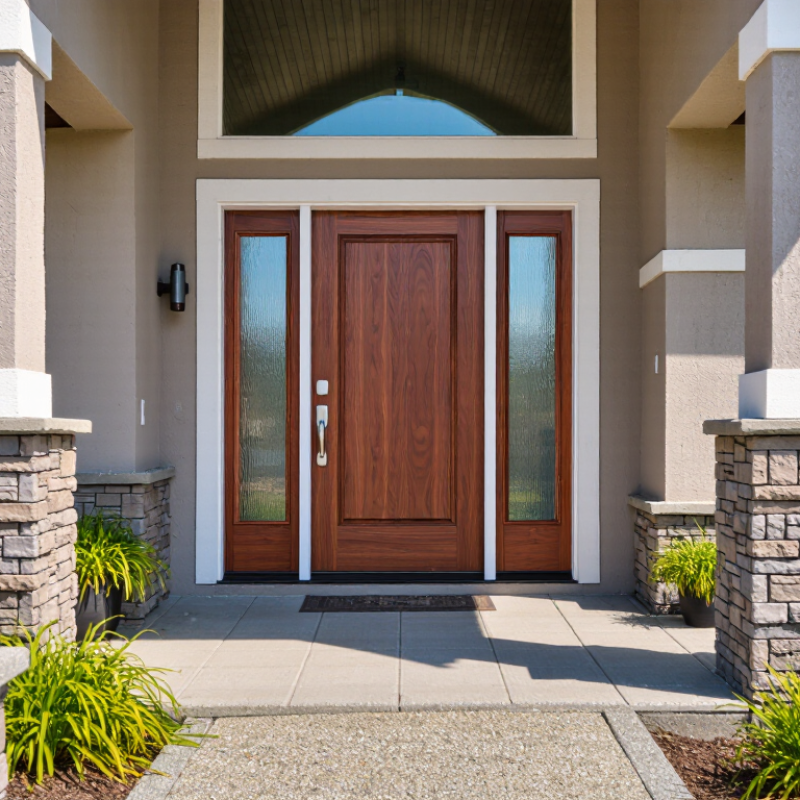
An exterior entrance door is more than a decorative slab. It is the complete boundary between your home and the weather: door panel, frame, threshold, seals, hardware, and any glass. In 2026, a well-chosen system should suit the local climate, fit the opening accurately, and close firmly without sticking. Look for clear performance information on air leakage, water resistance, and insulation. Ratings matter, but they only tell the full story when they apply to the door assembly, not just one component. Security depends on sound installation, a strong frame, and properly fitted locks. Style still counts. A bright porch can make a dark finish feel welcoming, but appearance alone proves little.
One caveat: even a high-performing door can struggle if the opening is poorly flashed or installed. That detail is easy to overlook. Before choosing, consider daily use, sun exposure, rain direction, and whether the entry needs a low threshold. A practical definition, then, includes comfort, durability, and a reliable fit—not just curb appeal. No single material is best for every house, and product claims deserve a careful read.
Tips: Check the frame and threshold, not only the door panel. Ask for performance details for the full assembly. Measure the opening before ordering. Notice drafts around an existing door on a windy day. Small details matter.
Common Door Materials, Styles, and Construction Types
Exterior entrance doors combine material, style, and construction choices. Steel doors resist dents and often use an insulated foam core, though edges can feel cold without good weatherstripping. Wood offers visible grain and can be trimmed, but exposed edges need regular protection from moisture. Fiberglass can mimic wood grain and resist rust; its finish may still fade or chip. Details matter.
Panel, flush, and glazed styles suit different homes. A raised-panel door gives a traditional look, while a smooth flush face feels simpler. Glass admits daylight near the entry, but larger panes can reduce privacy. Check the National Fenestration Rating Council label for a glazed door’s U-factor and solar heat gain coefficient. Numbers help.
Construction matters as much as appearance. A prehung unit includes a frame and hinges, which can simplify replacement; a slab is just the door and may need careful fitting. Inspect the threshold, perimeter seals, and frame for gaps. Small gaps matter. The 2024 Cost vs. Value report lists a 188.1% cost recoup for a steel entry-door replacement. That is a U.S. national average, not a promised return; local labor and project scope affect results. Cost figures alone do not measure comfort or durability.
Key Factors for Comparing Security, Energy Efficiency, and Durability
When comparing exterior entrance doors, look beyond the slab.
Security depends on the whole assembly: the frame, hinges, lock, and strike plate all matter. A reinforced frame and long screws at the strike plate can help resist forced entry. Check that the door closes cleanly without sticking. Small gaps can weaken both security and comfort.
Energy efficiency shows up in the details.
Look for a clear U-factor or energy rating, then compare the whole door system rather than one impressive specification. Tight weatherstripping, an insulated core, and a well-fitted threshold help reduce drafts. On a cold day, feel around the edges for moving air. Even a highly rated door can disappoint if installation leaves gaps. That part is easy to overlook.
Durability depends on your climate and the entrance’s exposure.
A door facing strong afternoon sun or frequent rain may need more maintenance. Fiberglass often resists moisture and dents, while steel can be sturdy but may scratch; wood has character, though it usually needs regular sealing or painting. No material is maintenance-free. Ask how the finish handles fading, and inspect the warranty for exclusions. It is tempting to choose by appearance alone, but a beautiful door that swells or leaks becomes frustrating quickly. Check the frame and sill, too.
How to Choose a Door for Your Home’s Climate and Design
2026 Best Exterior Entrance Doors for Your Home?
How to Choose a Door for Your Home’s Climate and Design
Start with exposure, not showroom style. In cold regions, compare insulated doors using the National Fenestration Rating Council (NFRC) label; a lower U-factor means less heat transfer. For sunny climates, consider the solar heat gain coefficient and how much direct afternoon sun reaches the entrance. In humid or coastal areas, prioritize well-sealed edges, durable hardware, and finishes suited to frequent moisture. Wind-driven rain needs careful flashing and a tight sill, not just a heavier door.
The U.S. Department of Energy’s Energy Saver guidance estimates that air leaks account for 25–40% of heating and cooling energy use in a typical home. That figure covers the whole home, not the door alone, but a poorly sealed entrance can still add drafts. Check the frame, weatherstripping, threshold, and installation details alongside the slab. There is no perfect material for every house; even a high-performing door can disappoint if the opening is installed carelessly.
Tips: Match performance to your local climate and the doorway’s sun and wind exposure. Ask for NFRC ratings, and inspect the sill seal. A small detail, easily missed. For storm-prone locations, verify that the complete door assembly meets locally applicable wind and impact requirements; a strong-looking panel is not enough.
Installation, Maintenance, and Long-Term Performance
A durable entrance door begins with an accurate opening measurement, not the door slab alone.
Before fitting it, check the sill, jambs, and surrounding framing for rot, unevenness, or moisture. Even a small twist in the frame can cause sticking, drafts, or uneven latch contact. The threshold should sit level and drain outward, while compatible flashing and sealant help keep rain outside. Follow the manufacturer’s installation instructions and applicable building requirements; shortcuts can undermine long-term performance. Small details matter.
After installation, open and close the door several times, then inspect weatherstripping contact along every edge.
A paper strip near the latch offers a simple, imperfect check: resistance should feel fairly consistent. Adjust a hinge or strike plate if the door rubs; forcing it can wear hardware early. Clean the surface with mild soap, clear debris from the threshold, and check seals after harsh weather. Touch up chipped paint or finish promptly, especially along exposed edges, and tighten loose screws without overtightening. Seasonal movement can affect how a door closes, so reassess its alignment before assuming something has failed. No door is maintenance-free.