How to Find the Best Discount Exterior Doors?
A lower price can make an exterior door look like an easy win. But the slab is only part of the decision. Frame condition, weatherstripping, threshold fit, and installation affect comfort and durability. Building scientist Joseph Lstiburek’s enclosure guidance can be paraphrased this way: “A door’s performance depends on the whole opening, not the slab alone.” That distinction matters when comparing discount exterior doors.
Look closely at what the price includes. Is the frame included? Are hinges, a lockset, and a threshold part of the package? Check the door’s material, finish, dimensions, and energy-performance information. A steel door may suit a sheltered entry, while a fiberglass model can offer a different balance of appearance and upkeep. Neither choice is automatically best. Match the door to your climate, exposure, and home.
Measure carefully. Note the opening width at several points, and inspect the sill for soft wood or staining. A bargain can lose its appeal if the frame needs major repair. And installation matters. Even a well-made door may leak air when it sits out of square. Honestly, comparing specifications takes patience; I would not judge value by the sale tag alone. This guide will help you assess price, materials, fit, and installation questions before choosing a door that works at your entry.
Identify Your Exterior Door Needs, Style, and Budget
Before comparing discounted exterior doors, identify what your home actually needs. Measure the existing frame at several points, since older openings may not be perfectly square. Check the jamb depth, swing direction, and threshold condition, too. Measure twice. A low price can lose its appeal if installation requires unexpected repairs.
Choose materials and features for your climate and daily use. A sheltered porch may need different weather protection than a door exposed to driving rain. Consider insulation, glass, privacy, and maintenance alongside appearance. A simple fiberglass door can suit a busy entry, while wood offers warmth but may need more upkeep. It is easy to focus on the finish and overlook the sill; that detail deserves another look.
Set a complete budget, not just a purchase-price limit. Include delivery, hardware, removal of the old door, and professional installation if needed. Compare quotes using the same measurements and features. Ask what the discount excludes, and check the return policy before ordering. If the budget is tight, prioritize a secure fit and weather sealing over decorative glass. A bargain is useful only when the door suits the opening, the household, and the conditions outside.
How to Find the Best Discount Exterior Door: Needs, Style, and Budget
Compare typical U.S. door-only price ranges by material to help narrow your options. Choose based on your climate, desired style, maintenance preferences, and budget.
Illustrative retail estimates: steel doors, $200–$600; fiberglass doors, $300–$1,500; wood doors, $500–$2,000. Prices vary by size, glass, finish, and construction; installation is not included.
Compare Door Materials, Energy Ratings, and Security Features
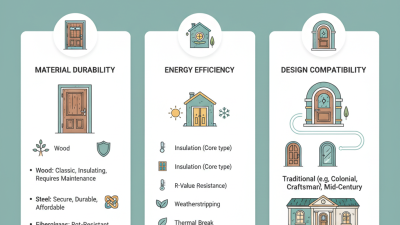
A discounted exterior door is only a good buy if its material suits your climate and entryway. Steel doors are often affordable and resist warping, but scratched finishes can expose metal to rust. Fiberglass resists moisture and needs little upkeep, though deep dents may be difficult to repair. Wood offers a substantial feel and can be refinished, but it needs regular care. Check the full door system, including the frame, threshold, and weatherstripping. A solid slab with a poor seal can still let drafts slip around its edges.
Read the National Fenestration Rating Council label, not just the sales tag. Its U-factor measures heat transfer; lower values generally mean better insulation. Solar heat gain coefficient matters too, especially where strong sunlight heats rooms. ENERGY STAR reports that certified windows, doors, and skylights can save an average of 12% on household energy bills compared with non-certified products. Actual savings depend on climate, installation, and the door being replaced.
Security deserves equal attention: look for a reinforced strike area, a sturdy frame, and a deadbolt-compatible bore. Test the sample lock if possible. Small details matter. I would also inspect the bottom seal in person; online photos rarely show how firmly it meets the threshold. A low price is not proof of quality.
Find Reputable Sellers and Verify Discount Terms
A discounted exterior door is only a good deal when the seller is dependable and the full terms are clear. Check the seller’s physical address, written contact details, recent independent reviews, and order-specific invoice. Ask for the door’s exact dimensions, material, finish, glazing details, and included hardware.
The 2024 Cost vs. Value Report from Journal of Light Construction estimated a national average cost of $2,355 for steel entry-door replacement and a resale value of $4,430. That figure is not a promise of savings or proof that a particular markdown is worthwhile; it does show why comparing the complete project cost matters.
Read the discount terms before paying. Confirm whether the price covers delivery, installation, trim, and disposal of the old door. Ask how the seller handles transit damage, incorrect measurements, returns, and warranty claims. Get answers in writing, especially for clearance items, which may have limited return options. A low price can look convincing beside a showroom sample, but become less attractive after freight and fitting costs appear. I would compare at least two itemized quotes, even if that feels tedious.
Tips: Photograph the label and all four door edges before installation. Keep the invoice, warranty, and delivery receipt together. Verify the rough opening and handing in writing; “standard size” can mean different things. If a seller pressures you to pay before confirming stock, pause and ask for a dated availability statement.
Evaluate Installation Costs, Warranties, and Total Value
A discount exterior door is only a good deal when the installed price makes sense. Ask for an itemized quote covering the door, hardware, labor, removal, trim, and disposal. Check whether weatherstripping, flashing, and threshold adjustments are included. A bare price can look appealing, then rise after a measurement visit. Compare quotes for doors with similar materials, glass, size, and performance ratings.
Tips: Measure the opening carefully, but have the installer confirm it. Ask who handles repairs if the door sticks or leaks. Read warranty exclusions, especially those covering labor, finishes, and damage from moisture. Keep the written quote and warranty together.
Total value depends on fit and support, not just the sale price. A poorly installed door may let in drafts, scrape the floor, or admit water around the frame. Ask how the installer checks the seal and adjusts the latch. Also confirm the expected schedule and payment terms in writing. Even careful comparisons can miss a small detail, such as replacing damaged trim. That is worth asking about before signing. A slightly higher quote may offer clearer coverage and fewer surprise costs.
Inspect the Door and Confirm Fit Before Purchase
A discounted exterior door is only a good deal if it fits your opening and can seal out weather. Measure the opening’s width and height at several points; older frames are often slightly uneven. Compare the smallest measurements with the door’s installation requirements. Check the frame depth, threshold height, and hinge side, too. A door that swings the wrong way can turn a bargain into a costly headache.
Inspect the door in bright, even light. Look for a bowed edge, cracked corners, loose joints, or dents near the latch. Press gently around the weatherstripping and check that it sits evenly. If the door includes glass, look for chips and gaps around the glazing. Ask whether the listed size refers to the slab or the complete prehung unit. I sometimes focus too much on surface marks; a small scratch may matter less than a warped frame. Still, don’t ignore damage that could let water in.
Tips: Bring your measurements and a tape measure. Check the item’s condition, included hardware, and return terms before paying. If possible, compare the door’s specifications with your existing frame.