2026 Top Trends in Exterior Storm Doors for Your Home?
As homeowners look to enhance both aesthetics and functionality, exterior storm doors have emerged as a popular choice. With the increasing emphasis on energy efficiency and security, these doors provide a practical solution for many. In 2026, we will see significant trends that redefine what these doors can offer.
Experts note that homeowners are demanding more than just protection from the elements. Today’s exterior storm doors are designed to combine style with performance. Innovative materials and designs are making them sturdier and more visually appealing. With a variety of finishes and colors, customization will be key in attracting buyers this year.
However, not all trends will resonate with every homeowner. Some may prioritize affordability over advanced features. Understanding the balance between costs and benefits is essential. As these trends unfold, careful consideration will be necessary. Thus, this exploration of the top trends for 2026 will illuminate how exterior storm doors can meet evolving expectations.
2026 Trends in Energy Efficiency for Exterior Storm Doors
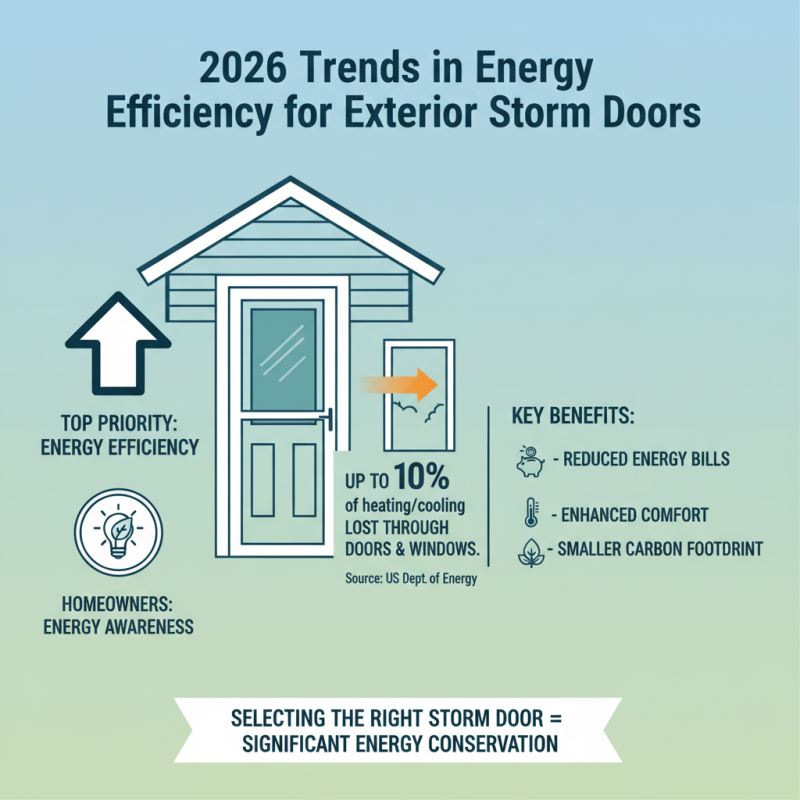
In 2026, energy efficiency will be a top priority for exterior storm doors. Homeowners are becoming increasingly aware of their energy use. According to the U.S. Department of Energy, up to 10% of home heating and cooling costs can be lost through doors and windows. Therefore, selecting the right storm door can significantly contribute to overall energy conservation.
Innovative materials and designs will drive trends in energy-efficient storm doors. New composites and insulated glass technology can reduce thermal transfer. A recent report from the National Association of Home Builders suggests that homes with energy-efficient doors have a 15% lower energy bill. Features such as solar-reflective glass and multiple sealing systems will also gain traction.
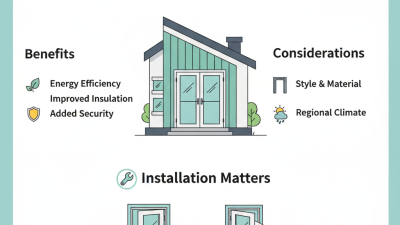
However, challenges remain. Many consumers may be unaware of the energy-saving potential of modern storm doors. Education on the benefits is crucial. Additionally, some homeowners might overlook the importance of proper installation. Misaligned doors or inadequate sealing can negate efficiency gains. Recognizing and addressing these factors is vital for achieving true energy efficiency in home design.
Cutting-edge Materials: Composite and Fiberglass in Storm Door Design
In recent years, composite and fiberglass have emerged as popular materials for exterior storm doors. These cutting-edge options offer a blend of durability and aesthetic appeal. Composite materials resist warping and fading, making them ideal for varied climates. They can mimic the look of wood, providing a warm feel without the maintenance hassles.
Fiberglass, on the other hand, excels in insulation. It keeps your home comfortable year-round while reducing energy costs. It's lightweight yet strong, making it easier to install. However, finding the right balance between design and performance remains a challenge. Some may overlook important features, like weather sealing, which can compromise overall effectiveness.
While these materials come with advantages, there are drawbacks to consider. Composite doors may become brittle over time, especially in extreme weather. Fiberglass options can also be prone to minor scratches and dents. Homeowners should carefully weigh their choices, focusing on the right blend of beauty and functionality.
Smart Technology Integration: Key Features for Modern Storm Doors
As we look ahead to 2026, integrating smart technology into exterior storm doors is more important than ever. Homeowners are seeking solutions that enhance security and convenience. Modern storm doors now come equipped with smart locks, allowing for keyless entry. This technology not only adds protection but also makes it easier to control access. Features such as remote locking and unlocking via smartphone applications are gaining popularity, offering homeowners peace of mind.
Voice activation is another growing trend. By integrating with smart home systems, storm doors can respond to voice commands. This hands-free option is particularly useful when your hands are full. However, the reliance on technology poses questions about security. System malfunctions could lock you out or make your home vulnerable if not managed carefully.
Homeowners are also interested in energy-efficient features. Smart storm doors can monitor temperature and airflow, adjusting as needed. While these advancements promote energy savings, they require regular maintenance to avoid performance issues. A door that doesn't seal properly can lead to higher energy bills. Decisions around these smart features should be made after careful consideration of both benefits and potential drawbacks.
Color and Style Trends: Aesthetic Choices for Exterior Storm Doors
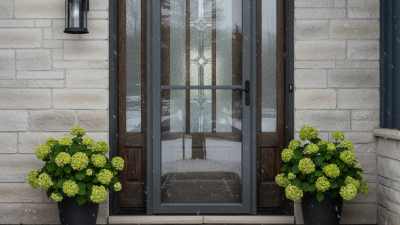
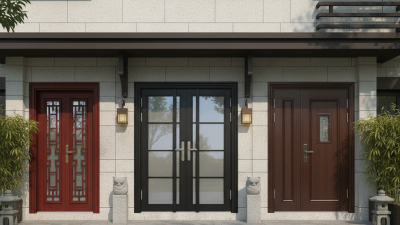
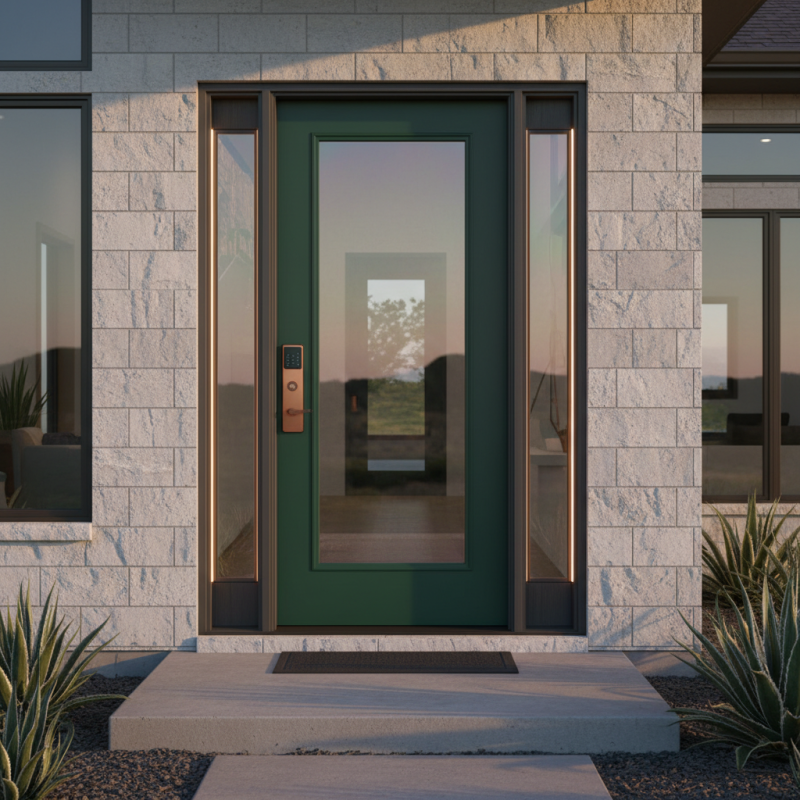
Choosing the right color and style for your exterior storm door can significantly enhance your home's curb appeal. In 2026, homeowners are gravitating towards bold colors like deep navy and rich forest green. These shades provide a strong contrast against neutral walls and can make a powerful statement. Additionally, muted earthy tones are gaining popularity, offering a more subtle, sophisticated look that complements various architectural styles.
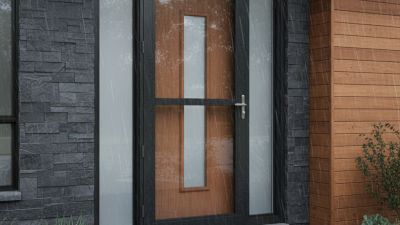
When selecting a style, consider the door's design elements. Classic panel doors remain timeless, but modern homeowners are also embracing glass inserts. These inserts can be decorative or functional, allowing for natural light while maintaining privacy. A blend of traditional and contemporary designs can create a unique aesthetic that reflects your personal taste.
Tips:
Choose colors that harmonize with your home's exterior. Test samples on your door before committing. Consider incorporating texture through different materials.
Remember, the door should reflect your personality. It’s okay if you feel uncertain about what fits best. Experimenting can lead to unexpected, delightful results. Embrace the journey of finding your perfect storm door!
Market Growth: The Impact of Storm Doors on Home Value in 2026
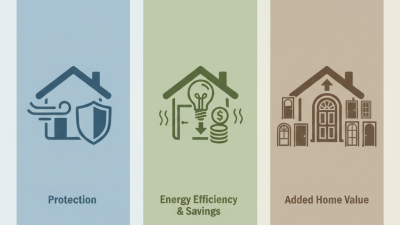
The real estate market continues to evolve, and storm doors are becoming increasingly important. These doors not only enhance your home's appearance but also provide essential protection. In 2026, the impact of storm doors on home value is significant. Homebuyers are looking for energy efficiency and durability.
Installing a quality storm door can improve insulation. This not only saves energy, but also reduces utility bills. Potential buyers see this as a positive investment. Many homes with storm doors are perceived as well-maintained. This can make a difference in a competitive market.
However, homeowners need to choose wisely. Not all storm doors offer the same benefits. Some may struggle with durability or aesthetic appeal. Researching options is crucial. An informed choice leads to a better return on investment. Homeowners often overlook the value of materials. Quality choices stand up to harsh weather conditions. This is essential for long-term satisfaction.
2026 Top Trends in Exterior Storm Doors for Your Home
| Trend |
Impact on Home Value (%) |
Popular Materials |
Design Features |
Energy Efficiency Enhancements |
| Smart Technology Integration |
15% |
Aluminum, Fiberglass |
Built-in Cameras, Smart Locks |
Insulated Glass, Weather Stripping |
| Customizable Designs |
10% |
Steel, Wood Composite |
Hinged, Sliding Options |
Low-E Coatings, Sealed Frames |
| Eco-Friendly Options |
12% |
Recycled Materials, Bamboo |
Sustainable Design, Natural Finishes |
Energy Star Ratings, Sustainable Sourcing |
| Enhanced Security Features |
18% |
Steel, Reinforced Glass |
Multi-Point Locking Systems |
Impact Resistant Features |
| Modern Aesthetic Styles |
14% |
Aluminum, Vinyl |
Minimalist Designs, Bold Colors |
Energy Efficient Seals |