Doors &
Windows

China Top 10 Residential Front Door Manufacturers

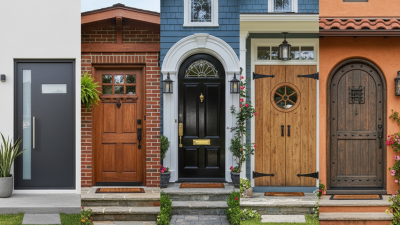
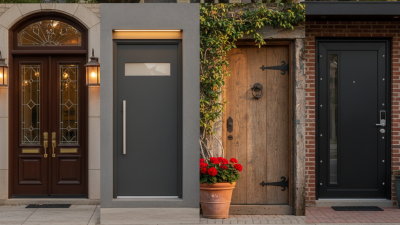
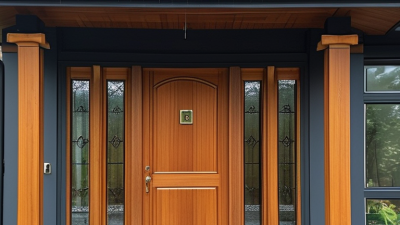
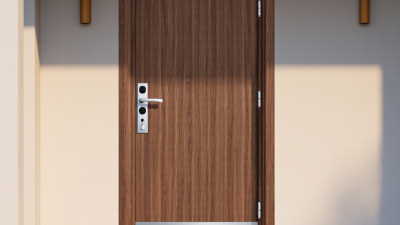
Choosing a front door is not only a style decision. It affects security, weather protection, daily use, and the first impression of a home. China’s manufacturing sector offers a wide range of residential front doors, from steel and fiberglass models to solid wood and aluminum designs. Yet a polished catalog does not tell the whole story. Frame construction, seals, finishes, hardware, and installation support matter just as much as appearance.

This guide introduces ten Chinese manufacturers and highlights details buyers can compare. Look for clear product specifications, material options, quality-control practices, customization capabilities, and realistic production times. Ask how each door handles heat, moisture, and frequent use. A sample finish can also reveal more than a screen image. Small details matter. Supplier claims should be checked against technical documents, project references, and direct communication. Not every company will fit every project, and the lowest quote may leave important items unclear. That distinction is easy to miss. The manufacturers featured here provide a starting point for research, not a substitute for checking local requirements or confirming measurements with a qualified installer. Use the comparison to narrow your options, then verify the details before placing an order.
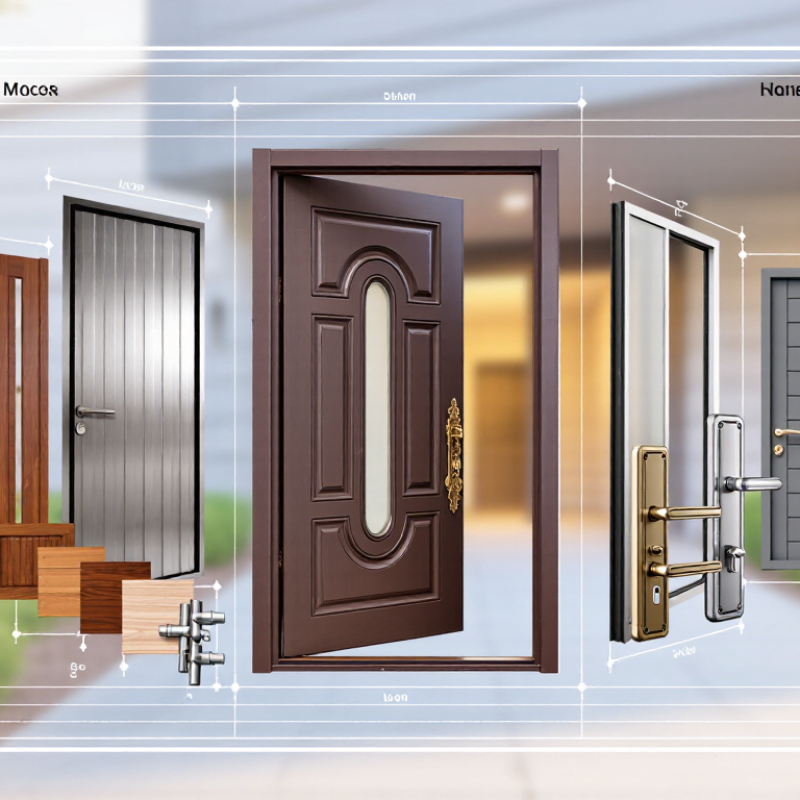
China Top 10 Residential Front Door Manufacturers

Overview of China’s Residential Front Door Industry

China’s residential front-door industry is closely tied to housing construction, replacement projects, and renovation demand. The National Bureau of Statistics reported that China’s real-estate development investment fell 10.6% in 2024, to RMB 10.03 trillion. Newly started floor space also declined 23.0%. These figures point to pressure on doors supplied for new housing, though they do not measure front-door sales directly. Demand is uneven.

For manufacturers, product choices increasingly balance security, insulation, durability, and installation cost. Buyers may compare steel, aluminium, and composite constructions, while checking lock compatibility, hinge strength, frame sealing, and finish quality. A door can look solid in a showroom yet perform poorly if its frame is misaligned or its seals are thin. Small details matter. Renovation work may offer a steadier channel than new-build projects, but the National Bureau’s housing data cannot confirm that shift on its own. China currently lacks a widely cited official series tracking residential front-door output and sales specifically, so market estimates should be treated cautiously. Repair access and replacement-part availability also deserve more attention than they often receive.
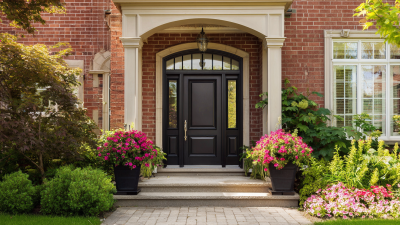
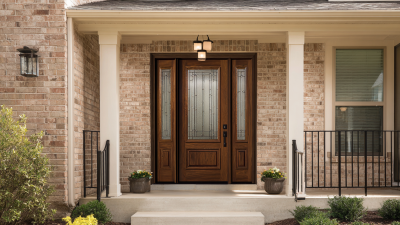
China Residential Front Door Industry: Housing Completion Indicator

Residential building completions provide a broad indicator of potential demand for front doors; they are not front-door sales figures.

Source: National Bureau of Statistics of China, annual real estate development statistics. Figures are rounded and shown in hundred million square meters.

Key Criteria for Identifying Leading Manufacturers

Choosing a leading residential front door manufacturer takes more than comparing catalog photos. Check construction details: core material, frame design, weather seals, hinge reinforcement, and finish options. Ask for documented test results on air leakage, water resistance, and thermal performance where relevant. Clear specifications matter. Vague claims are hard to verify. Confirm whether custom dimensions affect the stated performance, and request drawings before production.

Production consistency is another useful signal. Request installation instructions, care guidance, and written warranty terms before ordering. Ask how each door is inspected and how replacement parts are handled. Response quality matters too: a technical question should receive a precise answer, not a sales slogan. Compare lead times realistically, and confirm packaging protects corners and glass during transport. One attractive sample proves little. Even experienced buyers can overlook the installer’s role; poor measuring can undermine a well-made door.

Tips: Ask for a sample finish under both daylight and indoor lighting. Check references for similar projects, not just general praise. Keep specifications in writing. A small detail, such as an unclear threshold measurement, can cause delays—and it is easy to miss.

Profiles of 10 Major Chinese Front Door Manufacturers

China’s residential front-door market includes factories with very different materials, equipment, and customization levels. The profiles below are capability snapshots, not a verified sales ranking. Names are omitted.

One profile centers on high-volume steel doors, with stamped panels and standardized sizes. Another specializes in steel-and-wood composites, pairing a metal frame with a warmer interior finish. A third focuses on engineered timber doors, where veneer matching and edge sealing deserve close inspection. A solid-wood maker may offer richer grain, but moisture control can be inconsistent. Details matter. An aluminum-clad producer typically targets clean lines and weather resistance.

A fifth profile emphasizes thermal-break door systems for homes facing temperature swings. A sixth handles oversized custom entrances, where accurate measurements are crucial. A seventh produces doors with decorative glass inserts, requiring careful attention to glazing and frame fit. An eighth combines door manufacturing with lock integration, though electronic features may complicate later servicing. A ninth works mainly on export orders and may support varied packaging and finishes. A tenth offers broad, made-to-order production, but lead times can shift with customization. Compare sample corners, seals, hardware alignment, and written specifications—not showroom appearance alone. One limitation remains: without factory audits or test records, these profiles cannot confirm individual production quality.

China Top 10 Residential Front Door Manufacturers - Profiles of 10 Major Chinese Front Door Manufacturers
Profile Typical Product Focus Common Door Construction Common Materials and Finishes Configuration Options Frequently Available Features Customization Considerations
Profile 01 Steel residential entry doors Formed steel skins over an insulated or reinforced core Painted or powder-coated steel; decorative surface patterns may be available Single-leaf and double-leaf designs; inward- or outward-opening options depend on the project Multi-point locking, reinforced lock areas, weather seals, and peepholes may be specified Confirm opening size, handing, frame details, finish, and applicable local requirements
Profile 02 Security-oriented steel doors Steel door leaf and frame with additional reinforcement around locking points Coated steel, with colors and textures selected from the supplier’s available range Standard residential openings and project-specific sizes, subject to production capability Deadbolts or multi-point locks, reinforced hinges, and optional security hardware Ask for documented test results when a specific security rating is required
Profile 03 Insulated exterior entry doors Metal skins combined with a thermal-insulation core Steel or aluminum exterior surfaces; finish options vary by model Solid-panel and glazed configurations may be available Insulated cores and perimeter weatherstripping are common options Request performance data for the complete door assembly, not just the core material
Profile 04 Decorative steel front doors Pressed or patterned metal skins with an internal core and supporting frame Painted, textured, or wood-grain-effect finishes, depending on the product range Panel layouts, decorative inserts, and selected glazing designs Decorative hardware, glazed sections, and matching frame finishes may be offered Check finish samples and confirm whether decorative details are suitable for exterior exposure
Profile 05 Aluminum residential entrance doors Aluminum profiles with panel or glazed infill, depending on the design Coated or anodized aluminum finishes; glass options vary by specification Single and paired doors; glazing and panel arrangements are model-dependent Thermal-break profiles, insulated glass, and multi-point locks may be available Confirm profile series, glass specification, drainage details, and local climate suitability
Profile 06 Wooden and wood-faced entrance doors Solid-wood, engineered-wood, or wood-faced construction, depending on the product Natural wood finishes, stains, or painted surfaces; species and veneer options vary Panel, glazed, and custom-design formats may be offered Weather seals, decorative panels, and upgraded locking hardware can be specified Confirm maintenance needs and suitability for the intended exposure and humidity conditions
Profile 07 Steel doors with decorative glazing Steel leaf with glazed inserts and an insulated or reinforced surrounding structure Coated steel combined with clear, patterned, or privacy glass options Glass size, position, and pattern vary by design Safety-glazing options and decorative grilles may be available for selected models Specify glass type, thickness, privacy level, and relevant safety requirements in writing
Profile 08 Project and multi-unit residential entry doors Steel or aluminum assemblies selected to suit project schedules and specifications Standardized finishes are often used for consistency across multiple units Repeated sizes, coordinated hardware, and batch production may be requested Access-control preparation and coordinated locking systems may be project options Confirm approved drawings, tolerances, labeling, packaging, and delivery schedule before production
Profile 09 Custom-size residential front doors Construction depends on the selected material, design, and opening requirements Finish and color are selected from the manufacturer’s available materials and processes Non-standard dimensions, sidelights, transoms, or paired leaves may be considered Hardware, glazing, and threshold options are typically specified with the order Provide verified opening measurements and approved shop drawings before manufacture
Profile 10 Entry-door systems with coordinated frames and hardware Door leaf supplied as part of a matched leaf, frame, seal, and hardware assembly Steel or aluminum systems with model-specific surface finishes Frame profiles, thresholds, and hardware sets vary by system Weather seals, adjustable hinges, and compatible lock preparations may be specified Evaluate the complete installed assembly, including frame anchoring and installation instructions

Note: Profiles are anonymized descriptions of common residential entrance-door product categories, not verified rankings or claims about specific companies. Materials, dimensions, features, certifications, and availability vary by manufacturer and model; confirm all specifications directly with the supplier.

Materials, Designs, and Manufacturing Standards

Material choice shapes a front door’s weight, weather resistance, and upkeep. Solid wood offers visible grain, but humidity can cause swelling or seasonal movement. Steel provides a firm surface and impact resistance; its edges and hardware still need protection from corrosion. Fiberglass can imitate timber grain and resist moisture, though surface quality varies. Not just thickness. Check the frame, threshold, hinges, and perimeter seals as one assembly. A beautiful slab with a leaky sill is still a weak entrance.

Manufacturing claims matter only when tied to repeatable tests. China’s GB/T 8478-2020 covers aluminum alloy doors and windows, while ASTM E283, E330, and E547 test air leakage, structural performance, and water penetration. Ask for reports identifying the tested size, configuration, and hardware; a certificate for a different model proves little. UNEP and GlobalABC’s 2023 Global Status Report estimates that buildings accounted for 37% of energy- and process-related CO2 emissions in 2022. That figure is not door-specific, but it underlines why fit and sealing deserve attention. Details matter. Factory inspection should also record dimensions, coating consistency, lock alignment, and seal compression. A test sample may perform well, yet installation gaps can undo that result. It is an easy detail to overlook.

Factors to Consider When Choosing a Manufacturer

Choosing a residential front door manufacturer involves more than comparing catalog photos. Ask what the door core, frame, and finish are made of, and request specifications in writing. A solid-looking sample can hide weak edges or inconsistent sealing. Ask for proof.

Check how products perform in conditions similar to yours. A home exposed to strong afternoon sun, driving rain, or winter drafts may need different materials and weatherstripping. Ask whether the manufacturer tests water resistance, air leakage, and finish durability, and how those results are measured. A heavier door is not automatically better; extra weight can place more strain on hinges and frames. Small details matter.

Review customization carefully. Confirm the rough opening, swing direction, hardware preparation, and threshold dimensions before production. Ask who handles measurements and what happens if the delivered door does not fit. Compare lead times, packaging, installation guidance, and warranty terms—not just the quoted price. If possible, inspect a finished sample and speak with recent customers about delivery and support. I would still allow room for uncertainty: finishes can look different under porch lighting, and schedules sometimes shift. A responsive manufacturer should explain those limits plainly.