Doors &
Windows

Who Are the Top Exterior Storm Door Manufacturers in China?

China’s exterior storm doors market deserves a careful look, not a quick ranking. Buyers compare more than catalog photos: they check frame materials, weather seals, glazing, hardware, finish consistency, and factory quality controls. Small details matter. A loose corner seal can become a cold draft beside a front step.

Market data also needs context. Grand View Research’s global doors market reporting examines broad product and regional categories, while public trade classifications do not cleanly isolate exterior storm doors made in China. That makes headline market totals poor evidence for naming top manufacturers. The U.S. Department of Energy’s Energy Saver guidance explains how storm doors can add a protective layer at an exterior entrance. It offers useful performance context, but it does not rank Chinese suppliers.

Building scientist Joseph Lstiburek describes a building as “an environmental separator.” The principle applies here: a storm door must manage weather at the opening, not merely look sturdy in a product image. This guide compares Chinese manufacturers through verifiable signals, including product specifications, manufacturing experience, export capabilities, and documented quality practices. Some supplier information is hard to compare consistently. That limitation should be acknowledged, not hidden. The aim is a practical shortlist, with questions buyers can verify before requesting samples or quotes.
Who Are the Top Exterior Storm Door Manufacturers in China?

What Are Exterior Storm Doors and How Are They Used?

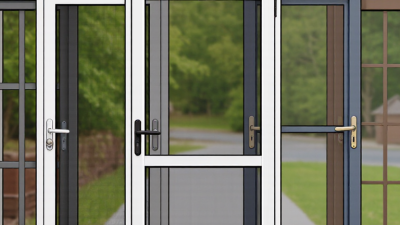
An exterior storm door is a second door fitted outside the main entry door. It creates a buffer that can limit drafts and shield the primary door from rain, sun, and everyday wear. Many models have interchangeable glass and screen panels: glass helps block wind in colder months, while a screen allows air through on mild days. The difference is tangible. You can feel it when a chilly gust no longer reaches the hallway.

The U.S. Energy Information Administration’s 2020 Residential Energy Consumption Survey reports that space heating accounts for about 42% of U.S. household site energy use. That figure explains why reducing drafts can matter, but it does not promise a particular saving from adding a storm door.

Not a cure-all. The U.S. Department of Energy advises homeowners to consider the condition and efficiency of the existing entry door before choosing an upgrade. Check frame fit, weatherstripping, drainage, and the door’s tested performance. A small gap at the sill can undermine an otherwise solid installation. This detail is easy to overlook, even in a careful specification.
How Is China’s Exterior Storm Door Industry Structured?

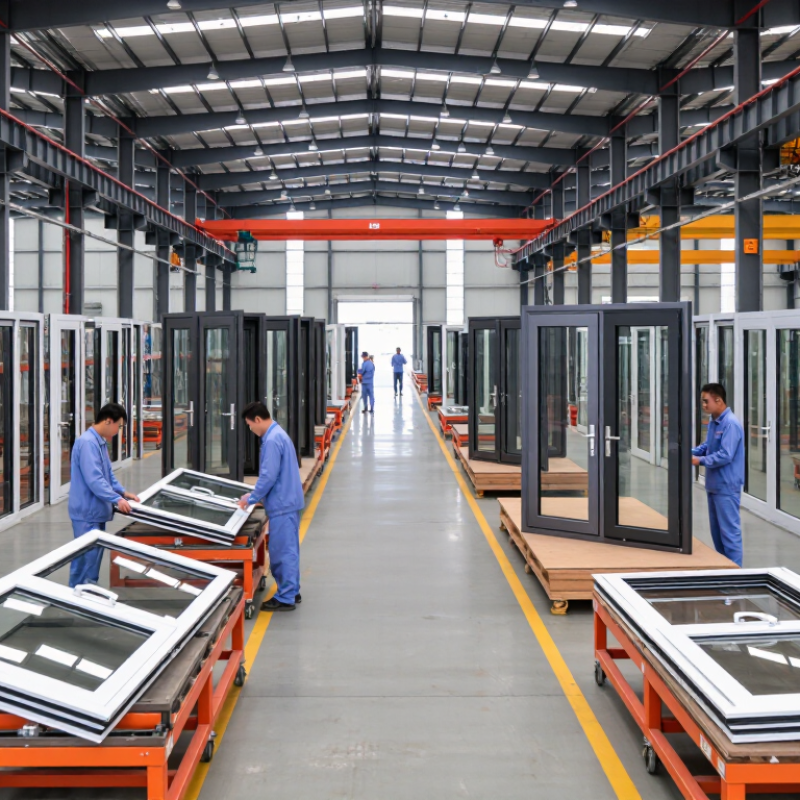
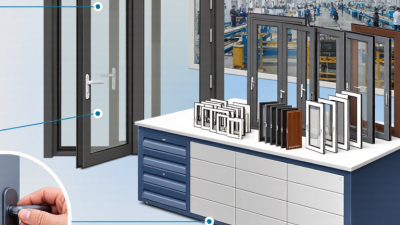
China’s exterior storm door industry is built around a layered supply chain. Aluminum and steel processors supply frames, while glass, mesh, hinges, locks, and weather seals often come from specialist component makers. Some factories handle cutting, forming, coating, and assembly under one roof. Others focus on final assembly and source more parts externally. The distinction matters.

Many manufacturers work as OEM or ODM suppliers, adapting dimensions, finishes, glazing, and hardware to buyers’ specifications. Export-oriented factories may have dedicated teams for drawings, samples, packing, and shipment coordination. A useful factory assessment looks beyond a polished showroom: check frame corner joints, coating consistency, latch alignment, and how smoothly a sample door closes. Small details reveal process discipline.

Production capacity and quality systems vary, even among suppliers serving similar markets. Ask how incoming components are checked, how dimensions are recorded, and whether finished doors undergo repeatable inspections. Requesting drawings and sample measurements can expose misunderstandings early. Still, product categories overlap, and a factory’s stated capabilities may not reflect every production line. Verify the specific materials, hardware, and inspection steps for the door being quoted. Some questions remain.

Who Are the Top Exterior Storm Door Manufacturers in China? - How Is China’s Exterior Storm Door Industry Structured?

Industry Dimension How the Segment Is Structured Typical Products or Capabilities What Buyers Should Check
Manufacturer categories The supplier base includes door-focused factories, broader metal-door and window manufacturers, and contract manufacturers serving overseas buyers. Capabilities vary by factory. Finished-door production, component fabrication, assembly, or OEM/ODM manufacturing. Confirm which production steps are performed in-house and which are subcontracted.
Product types “Storm door” is used differently across markets. Chinese suppliers may offer products described as screen doors, security doors, or exterior metal doors, so product terminology alone may not establish equivalence. Screen-equipped doors, ventilating doors, glazed or panel designs, and reinforced exterior-door products. Compare construction, intended use, opening direction, screen arrangement, and required performance rather than relying on the product name.
Common materials Material selection depends on the design, target market, cost, and required durability. Aluminum profiles, steel components, glass or other glazing, insect screen mesh, and hardware such as hinges, handles, and closers. Request material specifications, finish details, corrosion-resistance information, and hardware specifications for the exact model.
Production capabilities Factories may combine cutting, forming, welding, machining, surface finishing, glazing, and final assembly; the process mix is not identical across suppliers. Made-to-order dimensions, finish options, packaging customization, and production against buyer drawings or specifications. Verify sample approval procedures, production tolerances, inspection checkpoints, and batch traceability.
OEM and ODM supply Export-oriented manufacturers commonly evaluate projects against buyer-provided drawings, specifications, or product requirements. The available design and engineering support differs by supplier. Private-label production, design adaptation, custom dimensions, and packaging prepared for the buyer’s market. Agree in writing on drawings, bill of materials, tooling ownership, tolerances, packaging, and change-control procedures.
Sales and export channels Products may be supplied directly by factories or through trading and sourcing companies. Export suitability depends on the specific product and destination market. Project orders, distributor supply, and containerized export shipments, subject to supplier capacity and order terms. Establish the contracting party, production location, lead time, minimum order quantity, Incoterms, and after-sales responsibilities.
Standards and testing Applicable requirements depend on the destination country and the intended function of the door. A supplier’s general quality statement does not confirm compliance for every model. Product-specific documentation may include material records, inspection reports, and test reports where relevant. Identify the applicable local building, safety, glazing, and performance requirements; verify that documentation covers the exact configuration being purchased.
Supplier evaluation There is no single public ranking that establishes the “top” supplier for every buyer. The best-fit manufacturer depends on the product specification, order size, market, and service requirements. Factory audits, production samples, reference checks, quality plans, and pre-shipment inspections can help assess supplier suitability. Compare suppliers using the same technical specification and assess quality control, communication, delivery performance, and commercial terms.

Note: This table describes common industry structures and sourcing considerations, not a ranked list or a claim that every Chinese manufacturer offers all listed products or capabilities.

Which Companies Are Among China’s Leading Storm Door Manufacturers?

China’s leading storm door manufacturers are best identified by production capability, not by catalog size alone. The strongest candidates typically operate dedicated aluminum or steel fabrication lines, control frame and screen assembly, and offer custom sizing for different climates. Look for powder-coated frames, replaceable mesh, reinforced corners, and documented water, air, and wind testing. Small details matter. A poorly sealed threshold can admit rain even when the frame looks robust.

Market figures provide context, but they do not rank door makers. China’s National Bureau of Statistics reported construction output of 31.59 trillion yuan in 2023, up 5.8 percent year over year. This shows the scale of the wider building supply chain, not storm-door sales specifically. Buyers should therefore compare factory audit records, export experience, test reports, and sample consistency. Ask for measured frame tolerances and corrosion-test results, not just a general claim of durability. A clear answer is a good sign. Some suppliers may outsource screens or finishing, so verify which steps happen in-house. That distinction is easy to miss, and it can affect lead times and quality control.

How Do Leading Manufacturers Differ in Products and Production Capabilities?

Leading Chinese exterior storm door manufacturers differ less by catalog size than by control over materials, tooling, and testing. Some focus on aluminum frames with interchangeable screen and glass panels. Others produce steel or reinforced composite doors for more demanding weather conditions. A narrow profile looks clean, but may leave less room for seals and hardware. Details matter.

Production capability shows in repeatability. Ask how factories control frame squareness, corner joints, coating thickness, and hinge alignment across batches. Automated cutting and punching can help maintain consistent dimensions, while skilled manual assembly may suit custom sizes. Neither approach is automatically better. Compare sample-door measurements with production drawings, and request test records for water resistance, air leakage, or impact performance where relevant. Records should identify the exact tested configuration, not just a product family.

Product differences also include thermal breaks, mesh grades, glazing options, and replacement-part availability. A removable screen suits a humid entryway, but its clips must withstand frequent cleaning. Ask whether rollers, closers, and seals remain available after shipment. Factory claims can be hard to compare. Some exporters respond quickly but provide limited technical files; that gap deserves scrutiny. Check lead times for custom finishes, carton protection, and inspection photos before loading. A factory visit or independent inspection may reveal details that polished brochures miss. Verify, don’t assume.

What Criteria Help Evaluate a Chinese Storm Door Manufacturer?

Evaluating a Chinese storm door manufacturer begins with the door’s intended use. Ask whether it will face strong sun, frequent rain, coastal air, or heavy daily traffic. These conditions affect frame material, finish, screen type, hinges, and weather seals. Small details matter. A sample should match the proposed drawings, dimensions, and hardware—not just look similar in a sales photo.

Review how the manufacturer checks quality during production. Request material specifications, inspection records, and test details for finish adhesion, water resistance, and repeated opening cycles. Compare these records with a physical sample. Check the corners, mesh tension, latch alignment, and gaps around the frame. A neat surface can hide a poor fit. Ask how defects are recorded and corrected, rather than relying on a general promise of quality.

Production capacity and communication also deserve close review. Confirm order quantities, customization limits, lead times, packaging methods, and the documents supplied with each shipment. Clear answers should include measurable details, such as frame tolerances or carton dimensions. One easy-to-miss point is replacement hardware: ask whether matching parts can be supplied later. It is tempting to choose the lowest quote, but that comparison may overlook testing, packaging, or after-sales support. I would still verify every claim against samples and written specifications.

How to Evaluate a Chinese Exterior Storm Door Manufacturer

Suggested buyer-evaluation weights (%) for comparing manufacturers. These are a practical scoring framework—not measured market shares or a ranking of companies.

Prioritize verifiable compliance and test reports, material and construction quality, and documented weather-performance results. Also review customization capabilities, quality-control procedures, and warranty and after-sales support. Ask each supplier for evidence against the standards and requirements applicable to your destination market.