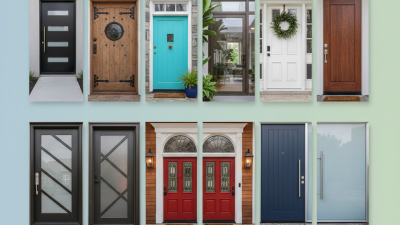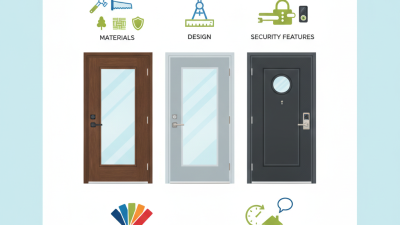
Choosing reliable front doors from China requires more than comparing catalog photos and quoted prices. Global buyers must assess materials, manufacturing controls, design capability, and after-sales support. This guide examines China’s top 10 front door manufacturers through practical purchasing criteria. These criteria include factory experience, product quality, customization, export performance, and documented testing.
A strong manufacturer should explain its construction clearly. Look for details such as galvanized steel cores, solid wood options, thermal breaks, weather seals, hinges, locks, and surface finishes. Ask how each component performs in humid, coastal, cold, or high-traffic environments. Sample approval matters. A door may look excellent online but feel different when the frame is uneven or the finish lacks depth.
Quality claims need evidence. Buyers should request current certificates, test reports, production photographs, and references from comparable projects. Factory audits can reveal storage conditions, assembly methods, and inspection routines. Communication also deserves attention. Clear drawings and written specifications reduce costly misunderstandings.
No supplier is perfect. That matters. Lead times can shift, and colors may vary between batches. Even experienced buyers sometimes underestimate packaging requirements or installation tolerances. A dependable manufacturer acknowledges these risks and proposes practical controls. This review aims to support careful decisions, not promote a single sales promise. By comparing capabilities and verification points, international buyers can identify front doors that match their climate, building standards, budget, and long-term expectations.
What Defines a Leading Front Door Manufacturer in China
A leading Chinese front door manufacturer combines design, engineering, and repeatable quality control. Price alone proves very little. The International Energy Agency reports that buildings consume about 30% of global final energy. Therefore, insulated door cores, accurate seals, and low-conductivity frames matter to buyers. A factory should provide tested U-values, air-leakage results, water resistance, and wind-load data. These documents are more useful than attractive showroom photos.
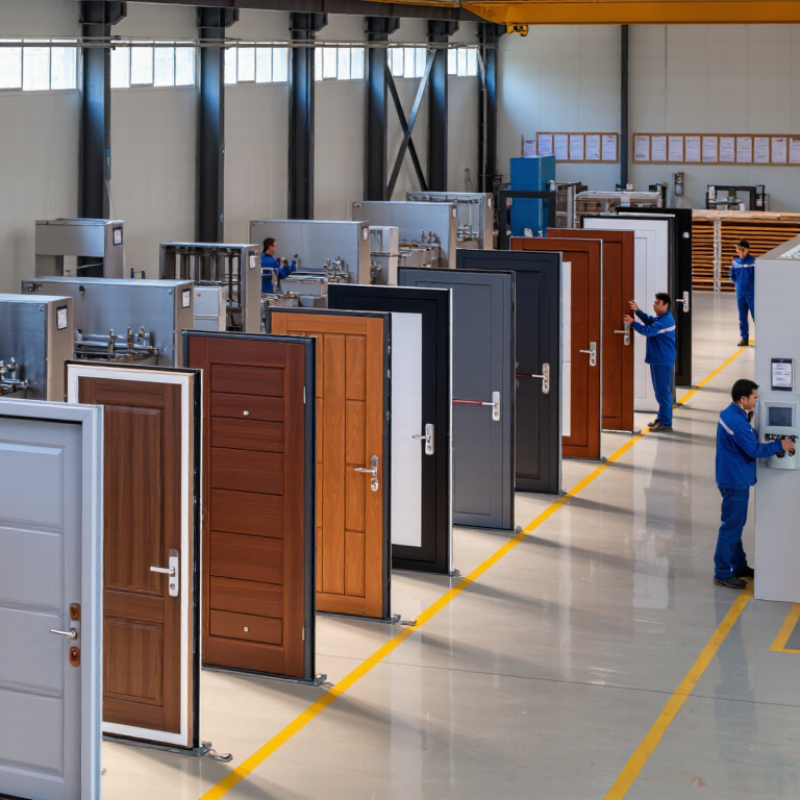
Production evidence matters too. During factory evaluations, buyers should inspect corner joints, powder-coating thickness, hinge alignment, and packaging protection. A reliable manufacturer records batch numbers and checks door dimensions before shipment. It should also explain tolerances clearly. Small errors become expensive after installation.
Export experience is another defining measure. The manufacturer needs stable material sourcing, clear drawings, multilingual documentation, and practical support for local installation standards. ISO 9001 certification can indicate a quality-management system, but certification alone is not proof of consistent doors. That is an uncomfortable truth. Buyers should request recent test reports and production samples, not recycled documents. The 2023 Global Status Report for Buildings and Construction highlights rising pressure to reduce building energy use. Yet many suppliers still describe “energy efficiency” without measurable figures. That gap deserves careful questioning.
| Rank | Anonymous Manufacturer Profile | Primary Product Focus | Typical Factory Experience | Common Door Materials | Thermal Performance | Customization Level | Typical MOQ | Indicative Production Lead Time | Export Readiness | Quality Documentation | Best Fit for Global Buyers |
|---|---|---|---|---|---|---|---|---|---|---|---|
| 1 | Profile A — Large Export-Oriented OEM | Steel security doors, insulated exterior doors, project doors | 15–25 years | Galvanized steel, stainless steel, aluminum | Medium to high; insulated cores available | High | 20–50 units | 25–45 days | Strong; container and project shipments | Drawings, inspection reports, packing lists | Large residential and commercial projects |
| 2 | Profile B — Aluminum Entrance Specialist | Thermal-break aluminum doors and modern glass entrances | 10–20 years | Aluminum alloy, tempered glass, laminated glass | Medium to high; thermal-break systems | High | 10–30 units | 30–50 days | Strong; custom crating available | Profiles, finish samples, fabrication drawings | Contemporary villas and premium residences |
| 3 | Profile C — Steel Security Door Manufacturer | Multi-point security doors, fire-rated and reinforced doors | 12–20 years | Galvanized steel, cold-rolled steel, stainless steel | Medium; mineral wool or honeycomb cores | Medium to high | 30–100 units | 25–40 days | Good; experienced with bulk orders | Hardware schedules, test records, installation guides | Security-focused housing and institutional buildings |
| 4 | Profile D — Solid Wood and Engineered Wood Producer | Wood entry doors, veneer doors, insulated timber doors | 10–18 years | Engineered wood, oak, walnut, teak, veneer | Medium to high; depends on core construction | High | 10–30 units | 35–60 days | Good; moisture protection required | Wood species information, finish samples, moisture records | Luxury residential and hospitality projects |
| 5 | Profile E — Fiberglass and Composite Door Specialist | Low-maintenance composite entry doors and residential systems | 8–15 years | Fiberglass, SMC, polyurethane foam, steel reinforcement | High; foam-filled construction is common | Medium to high | 20–50 units | 30–50 days | Good; export packaging commonly available | Core specifications, finish approvals, dimensional checks | North American and European residential markets |
| 6 | Profile F — Fire and Commercial Door Factory | Fire-rated steel doors, smoke-control doors, commercial entrances | 10–20 years | Steel, stainless steel, mineral fiber cores | Medium to high; rating dependent on tested assembly | Medium | 50–200 units | 35–60 days | Strong for specification-based projects | Fire-test reports, certificates, hardware schedules | Hotels, hospitals, offices, and public buildings |
| 7 | Profile G — Mid-Volume Custom OEM | Private-label steel, aluminum, and mixed-material front doors | 8–15 years | Steel, aluminum, glass, engineered wood | Medium; specification dependent | Very high | 10–30 units | 30–55 days | Good; suitable for mixed-container orders | Shop drawings, samples, inspection checklists | Importers, distributors, and private-label programs |
| 8 | Profile H — Villa and Premium Entrance Manufacturer | Oversized pivot doors, decorative metal doors, premium entrances | 8–18 years | Aluminum, steel, stainless steel, glass, wood veneer | Medium to high; large-format design dependent | Very high | 1–10 units | 45–75 days | Good; project coordination recommended | Engineering drawings, material samples, installation instructions | Architect-led villas and high-end developments |
| 9 | Profile I — Standardized Residential Door Producer | Standard-size steel and aluminum entry doors for housing projects | 6–12 years | Galvanized steel, aluminum, insulated panels | Medium; standard insulated options | Low to medium | 50–200 units | 20–40 days | Good for repeat orders | Product specifications, packing records, quantity checks | Volume housing and standardized replacement programs |
| 10 | Profile J — Small-Batch Design and Development Factory | Prototype doors, design-led residential entrances, small OEM runs | 5–10 years | Steel, aluminum, wood composite, glass | Medium; prototype dependent | Very high | 1–10 units | 35–70 days | Moderate; buyer-managed logistics may be needed | Prototypes, drawings, material and finish approvals | Design studios, builders, and product-development buyers |