Doors &
Windows

China Top Exterior Front Entry Doors for Global Buyers?

China has become a major source of exterior front entry doors for architects, contractors, developers, and distributors worldwide. Its factories offer steel, fiberglass, aluminum, and engineered-wood models with varied finishes, glass designs, and hardware options. Yet product choice should never depend on appearance alone.

Gary Katz, a respected door and hardware educator, often reminds installers, “The door is the largest moving object in a building.” That practical observation matters for global buyers. A beautiful door can still fail when its hinges sag, seals shrink, or the frame arrives out of square. Buyers should examine thermal performance, water resistance, locking systems, coating durability, and installation tolerances.

Look closely. Details reveal quality.

This guide explores how to evaluate Chinese manufacturers, compare specifications, and reduce avoidable sourcing risks. It considers factory experience, sample approval, testing records, packaging strength, and after-sales communication. A coastal project may need corrosion-resistant hardware. A cold-climate home may require insulated cores and low-air-leakage seals. A high-traffic hotel may need stronger hinges and replaceable components.

Certifications also require careful checking. Documents should match the exact door system, not merely a similar model. Some suppliers communicate well before payment, then respond slowly after shipment. That possibility deserves honest attention.

The best supplier is not always the cheapest. It is the one that consistently delivers the agreed design, dimensions, performance, and support. This overview helps global buyers make that judgment with clearer evidence and fewer assumptions.
China Top Exterior Front Entry Doors for Global Buyers?

Types of Exterior Front Entry Doors Made in China

Types of Exterior Front Entry Doors Made in China

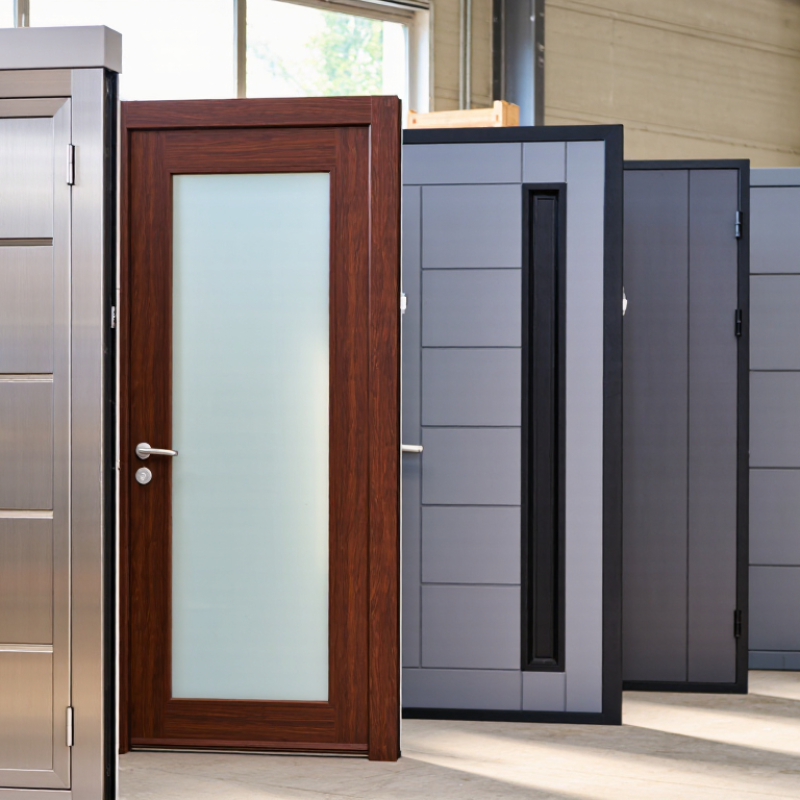
Chinese manufacturers produce several exterior front entry door types for global buyers. Steel doors offer strong impact resistance and stable pricing. Fiberglass doors resist moisture and imitate oak grain with convincing texture. Aluminum doors suit coastal projects because they are lightweight and naturally corrosion resistant. Solid wood doors provide warmth, but they need careful sealing in humid climates.

Modern factories also produce WPC, aluminum-wood composite, and thermally broken aluminum doors. WPC resists swelling better than untreated timber, though its surface can feel less authentic. The U.S. Department of Energy reports that windows account for about 25–30% of residential heating and cooling energy use. This highlights the wider value of an airtight building envelope, including the entry door. Door cores, weatherstripping, threshold design, and glazing deserve equal attention.

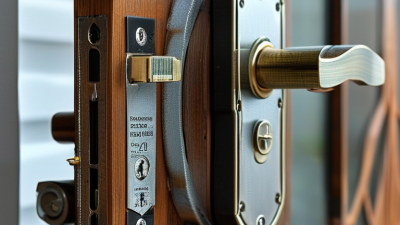
The Freedonia Group’s World Windows and Doors research identifies renovation and energy efficiency as major demand drivers. Buyers should request U-value, air-leakage, water-penetration, and wind-load results, not only attractive photographs. EN 14351-1, ASTM testing, or local equivalents may apply, depending on the destination market. Check hinge alignment, gasket compression, drainage holes, and powder-coat thickness before shipment. Small details matter. A door can look excellent and still seal poorly. I have found that factory claims sometimes simplify testing conditions, so independent verification remains the safer choice.
Key Materials, Designs, and Performance Features

China Top Exterior Front Entry Doors for Global Buyers?

Material choice shapes an entry door’s durability, weight, and maintenance needs. Galvanized steel offers strong impact resistance and stable pricing. Aluminum resists corrosion, especially in humid coastal climates, but it needs a well-designed thermal break. Fiberglass provides good moisture resistance and can imitate natural wood grain. Solid wood feels warm and distinctive, yet it needs careful sealing and regular inspection.

The core matters too. A polyurethane-filled panel can improve insulation and reduce street noise. Multi-layer weatherstripping helps block drafts, rain, and dust around the frame.

I would examine the threshold closely. Poor drainage there can defeat an otherwise excellent door. Low-e glass, laminated glazing, and adjustable hinges add practical value when specified correctly. Not every decorative panel improves performance.

Design should match both architecture and climate. Flush doors suit modern facades, while recessed panels bring a traditional appearance. Oversized pivot doors create visual impact, but their hinges and frame require accurate structural planning.

Buyers should request water, air, wind-load, thermal, and corrosion test data for the target market. Local building codes still control the final decision.

A factory sample should be checked for weld quality, coating consistency, lock alignment, and packaging strength.

No door is perfect.

I have seen attractive units fail because measurements were rushed or installation guidance was vague. Clear drawings, approved samples, and documented inspections reduce those risks.

Global Safety, Energy, and Quality Standards

China Top Exterior Front Entry Doors for Global Buyers?

Global Safety, Energy, and Quality Standards

A reliable entry door begins with the destination market, not a sales brochure. Requirements differ across North America, Europe, Australia, and the Middle East. Buyers should request test reports that match local codes, climate conditions, and installation methods. A door tested in a mild laboratory may perform differently beside a windy coastal entrance.

Safety depends on more than a strong frame. Multi-point locks, laminated safety glass, reinforced hinges, and accurate hardware alignment deserve close inspection. Fire-rated models require verified ratings and controlled installation. Suppliers should provide traceable material records, production photos, and independent laboratory documents. Factory audits and pre-shipment inspections also reveal details that photographs cannot show.

Energy performance needs measurable evidence. Ask for U-values, air-leakage results, water-resistance data, and thermal-bridge information. Thermal breaks, insulated cores, weather seals, and low-emissivity glass can reduce heat loss. However, installation gaps often weaken excellent door panels. This is easy to overlook. A complete quotation should include frame dimensions, threshold design, packing protection, and adjustment instructions.

Quality control should continue from raw materials to final loading. Check surface coating thickness, weld consistency, glass edges, drainage paths, and repeated opening cycles. No supplier can honestly promise one universal standard. Local certification may still be required after import. That inconvenience matters. Careful buyers compare evidence, not confident wording.

How to Choose the Right Chinese Door Manufacturer

Choosing a Chinese door manufacturer requires more than comparing catalogue prices. The factory should match your climate, building code, and installation method. The International Energy Agency reported in its 2023 Global Status Report that buildings use about 30% of global final energy. A poorly sealed entry door can increase drafts, noise, and heating costs.

Ask for tested performance data, not general promises. Request air-leakage, water-penetration, wind-load, and thermal-transmittance results for the exact door model. Standards such as ASTM E283, ASTM E331, and ISO 10077-1 can clarify testing methods. Check whether the report identifies the same frame, glass, seals, and hardware used in production. Small details matter. A sample may look excellent while the production batch changes its gasket thickness.

Visit the factory remotely or in person. Watch how profiles are cut, corners are joined, and finished doors are packed. Ask for material certificates, inspection records, and a written tolerance schedule. The 2023 World Bank Logistics Performance Index also shows why export experience matters; reliable customs documents and shipment tracking reduce avoidable delays. Request references from projects in climates similar to yours. No checklist is perfect. I would still order a physical sample and test its lock, threshold, drainage, and seal after installation. Cheap hardware can quietly weaken a premium-looking door. Choose the manufacturer that explains limitations clearly, accepts measurable quality checks, and can repeat the same result at scale.

Importing, Customizing, and Buying Front Entry Doors from China

China Top Exterior Front Entry Doors for Global Buyers?

Importing front entry doors from China starts with a clear specification, not a low quotation. Define the opening size, swing direction, core material, frame depth, glazing, finish, and hardware. Steel, aluminum, fiberglass, and solid wood each suit different climates and budgets. Coastal projects need stronger corrosion resistance. Cold regions may require improved thermal breaks and insulated glass. A sample matters. Photos cannot reveal an uneven seal or a stiff hinge.

Reliable purchasing requires supplier verification and documented quality control. Review factory capabilities, production drawings, material certificates, and inspection procedures. Ask for a pre-production sample when the design is customized. Check welding, powder coating, lock alignment, drainage holes, and packaging protection. Door dimensions should match local building requirements and installation methods. Fire, energy, security, and safety standards vary by destination, so confirm them with a qualified local professional.

Customization can include embossed panels, sidelights, transoms, colors, smart preparation, and decorative glass. Not every option deserves the extra cost. A complex finish may look excellent in a showroom but show damage after long-distance shipping. Use moisture-resistant packing, corner guards, and clear carton labels. Confirm Incoterms, lead times, spare parts, warranty terms, and inspection responsibility in writing. Allow time for revisions. The first sample may be acceptable, yet still need adjustment. That small delay can prevent a costly installation problem.