How to Choose Exterior Entry Doors for Your Home?
When choosing exterior entry doors, several factors must be considered. These doors serve as the first impression of your home. They provide security, style, and energy efficiency. Selecting the right exterior entry doors can enhance your home's curb appeal.
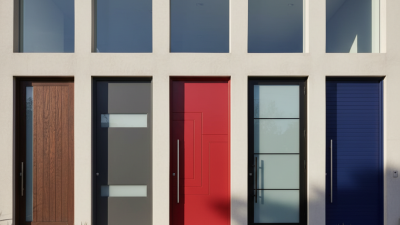
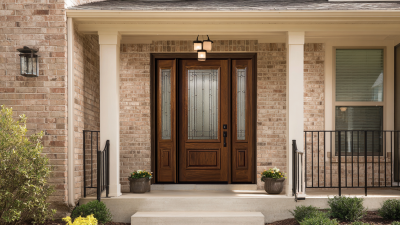
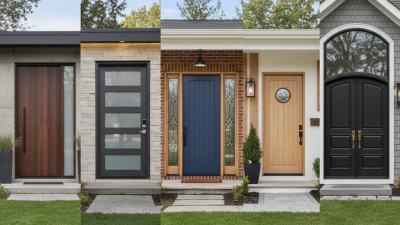
Think about materials and designs. Wood offers warmth, while steel provides strength. Fiberglass can combine both aesthetics and durability. Color and finish also play roles in your door's overall look. It’s essential to find a style that complements your home's architecture.
Don’t forget about energy efficiency. Proper insulation can lower energy bills. Weather stripping is another vital consideration, as it prevents drafts. Choosing well-rated exterior entry doors can lead to long-term benefits. Reflect on your family's needs; a door should fit both your lifestyle and your home's personality.
Understanding Different Types of Exterior Entry Doors
Choosing the right exterior entry doors is crucial for both functionality and aesthetics. Various door types cater to different needs, ensuring homeowners can find the perfect match. According to the American Institute of Architects, over 75% of homeowners consider the entry door's design as a significant factor in their exterior choices.
Wood doors are popular for their traditional appeal. They offer natural insulation, which can reduce energy costs. However, they require regular maintenance to prevent warping and weather damage. In contrast, fiberglass doors are durable and energy-efficient. They resist scratches and dents but can be more expensive upfront. Steel doors provide security and low maintenance but may lack in energy efficiency.
An often-overlooked factor is the doorframe. A low-quality frame can compromise the door's effectiveness and longevity. A study by the National Association of Home Builders highlights that doors account for approximately 10% of energy loss in homes. Ensuring a high-quality installation can mitigate this issue. It’s essential to weigh the pros and cons of each door type. Aesthetic appeal should not come at the cost of functionality.
Evaluating Material Options for Durability and Aesthetics
Choosing the right material for exterior entry doors is crucial for both durability and aesthetics. Wood is a classic choice, offering natural beauty and warmth. However, it requires regular maintenance to prevent warping or rot. Not everyone wants to invest the time or money into upkeep. Fiberglass, on the other hand, combines the look of wood with better durability. It resists dents and scratches and is energy efficient. Nevertheless, some might find it lacks the authentic feel of genuine wood.
Steel doors provide top-notch security and are incredibly durable. They are resistant to the elements and require little maintenance. However, they can be prone to dents and rust if not properly coated. Homeowners should consider the climate of their area when choosing steel doors. Each material has its pros and cons, and the right choice largely depends on individual priorities.
It’s important to reflect on how a door's look impacts your home’s curb appeal. While some materials may offer more visual appeal, they could come at the cost of durability. Decide what balance suits your lifestyle and budget best. It’s worth taking the time to weigh these factors before making a decision.
Assessing Security Features for Enhanced Protection
Choosing exterior entry doors is crucial for home security. A door serves as the first line of defense, and its features can significantly enhance protection. According to the Bureau of Justice Statistics, approximately 1.1 million burglaries occurred in homes in the U.S. in 2019. Ensuring that your door can withstand forced entry is essential for peace of mind.
When selecting a door, consider materials that offer durability and resistance to break-ins. Steel and fiberglass doors are excellent options due to their strength. Also, ensure the doorframe is robust. A study from the National Institute of Standards and Technology highlights that a good frame can increase security significantly. Deadbolts and reinforced locks are vital additions. They’re not just accessories but essential components of a secure system.
Putting security first is a step in the right direction. Look for doors with multiple locking points to deter intruders. Pay attention to glass panels, as they can be a vulnerability. Tempered glass is a better choice because it’s harder to break. Regularly check and maintain door hardware to ensure it functions correctly. If you find wear or damage, don’t hesitate to replace it. Your safety is worth it.
Choosing the Right Style to Complement Your Home's Architecture
When selecting exterior entry doors, it's crucial to consider your home's architectural style. A well-matched door enhances curb appeal and can increase property value. According to the National Association of Realtors, homeowners can expect a 70% return on investment when upgrading their front doors. This statistic highlights the importance of making an informed choice.
Analyze architectural elements such as color, shape, and texture. A contemporary home may look best with sleek lines and minimalistic designs, while a classic Victorian may benefit from ornate detailing and rich wood grains. The Journal of Light Construction reports that 59% of homebuyers prioritize aesthetics in their purchase decisions. This underscores the need for a door that complements your home’s overall look.
Remember that functionality is as important as style. Consider the door's material for durability. Solid wood offers warmth but may require more maintenance than fiberglass or steel options. The U.S. Department of Energy notes that proper insulation can reduce energy costs significantly. A door that fits well and provides thermal efficiency can improve your home's comfort and save money over time. A mismatch of style or functionality can lead to regrets. Aim for a door that harmonizes with your home while serving its practical purpose.
Considering Energy Efficiency and Insulation Ratings
When selecting exterior entry doors, energy efficiency is crucial. It impacts your home's heating and cooling costs. Look for doors with high insulation ratings. A good insulation rating keeps your space comfortable in all seasons. Materials such as fiberglass or solid wood can offer superior insulation compared to hollow core doors.
Consider the door's energy-efficient features, like triple-pane glass, low-E coatings, and weather stripping. Good seals reduce drafts. You should gauge the door's performance under different weather conditions. Some doors may look beautiful but perform poorly in extreme temperatures. Reflect on this when making your choice.
While aesthetics are important, never compromise on functionality. A door that looks great but lacks insulation will lead to higher energy bills. Assess the real-world performance of your selected doors. Ask for expert recommendations based on your local climate. Ultimately, the right choice should blend energy efficiency with your home's style.
How to Choose Exterior Entry Doors for Your Home? - Considering Energy Efficiency and Insulation Ratings
| Door Type |
Material |
Energy Efficiency Rating (U-Factor) |
Insulation Rating (R-Value) |
Durability |
Estimated Cost ($) |
| Fiberglass |
Fiberglass |
0.20 |
R-5 |
High |
800 - 1800 |
| Steel |
Steel |
0.30 |
R-4 |
Medium |
600 - 1400 |
| Wood |
Wood |
0.35 |
R-3 |
Medium |
500 - 1200 |
| Vinyl |
Vinyl |
0.25 |
R-4.5 |
High |
700 - 1600 |