Doors &
Windows

2026 Best Exterior Front Entry Doors for Global Buyers?

Choosing the best exterior front entry doors for global buyers in 2026 requires more than comparing photographs and prices. A door facing coastal rain needs different protection from one exposed to desert heat, freezing winters, or intense tropical sunlight. Materials, insulation, drainage, hardware, security design, and installation quality all influence long-term performance. The smallest gap around a frame can invite drafts, dust, or water.

“A door is only as good as its installation,” says Gary Katz, a respected door-installation educator and industry writer. His warning deserves attention. Even a well-engineered fiberglass, steel, or hardwood door can perform poorly when the threshold is uneven or the flashing is incomplete. This guide considers the complete entry system, not just the decorative slab.

We examine leading exterior front entry doors through practical criteria. These include weather resistance, thermal efficiency, maintenance demands, accessibility, customization, and supplier support. We also consider real ownership details, such as warped trim, fading finishes, loose hinges, and replacement-part availability. Those details are easy to ignore.

They matter later.

Global buyers should also check regional building requirements and qualified installation practices before purchasing. Product claims can sound impressive, yet test conditions differ between manufacturers. That makes direct comparison imperfect. Some recommendations may change with climate, budget, or home design. Still, careful evaluation can narrow the field and prevent expensive mistakes. The strongest 2026 choices will balance appearance with measurable durability, dependable sealing, and service that remains useful after delivery.
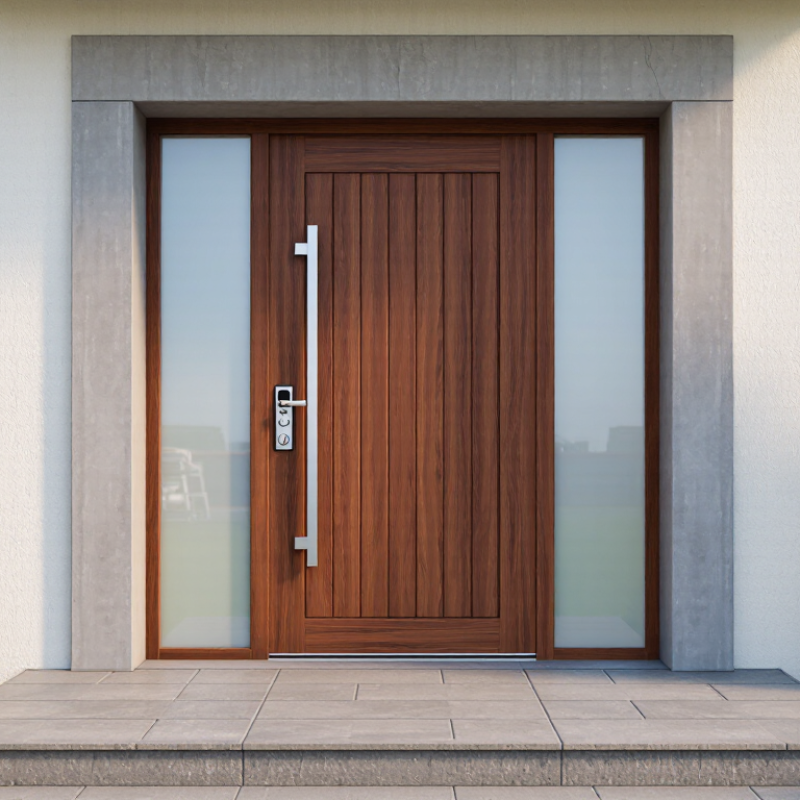
2026 Best Exterior Front Entry Doors for Global Buyers?

Types of Exterior Front Entry Doors for Global Homes in 2026

In 2026, exterior front entry doors should match a home’s climate, security needs, and architectural character.

Fiberglass doors suit humid or coastal regions because they resist swelling, corrosion, and routine scratches.

Steel doors offer strong protection and stable performance, although exposed surfaces can heat quickly in sunny climates.

Solid wood doors provide warmth and texture, but they need careful sealing and regular inspection.

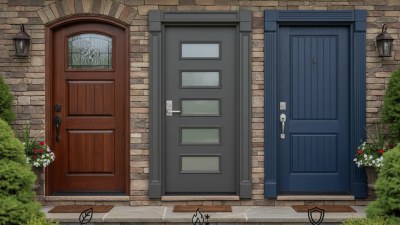
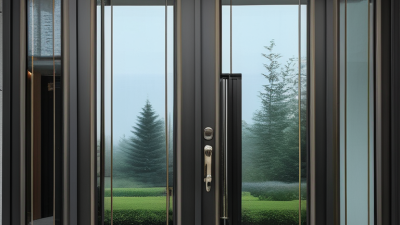
Aluminum doors with insulated glass create a clean, modern entrance and bring daylight into darker hallways.

Pivot doors make a dramatic statement for wide façades, yet their size may increase installation costs and energy loss.

A glazed door can look excellent, but privacy and heat control require thoughtful glass selection.

My own preference is not universal. A quiet wood entrance may feel better than an oversized glass design.

Tips:

Check U-values, weather seals, threshold height, and opening direction before ordering. Ask an experienced installer to inspect the wall condition and local building requirements. Choose laminated or reinforced glass near busy streets. Test the handle, hinges, and lock alignment in person when possible. Small details matter. Some catalog measurements can be misleading, so confirm the rough opening, frame depth, and surrounding drainage before production.
Key Materials, Construction Methods, and Weather Resistance

2026 Best Exterior Front Entry Doors for Global Buyers?

For 2026, global buyers should judge an exterior entry door by its construction, not its showroom finish. Material choice depends on climate, exposure, security needs, and local installation practice. Fiberglass resists moisture and ultraviolet damage, while insulated steel offers strength and stable performance. Engineered timber feels warm and can perform well, but exposed edges need careful sealing. Aluminum suits humid or coastal areas when its coating and fasteners resist corrosion.

Look inside the slab. A rigid foam core, reinforced lock blocks, and accurate stile joints reduce warping. Well-built doors use bonded skins, protected corners, and a threshold that drains water outward. Thermal breaks matter in cold regions because metal can transfer indoor heat toward the exterior. Compression seals should close evenly, without forcing the handle. That small test is more useful than a glossy specification sheet. Still, installation can undermine excellent manufacturing. A crooked frame may create air leaks within one season.

Weather resistance requires more than a high laboratory rating. Check air-leakage, water-penetration, and thermal-performance data for the intended climate. In windy zones, verify tested pressure performance and anchoring details with a qualified local installer. Coastal buyers should inspect drainage paths, corrosion-resistant hardware, and finish warranties. Cold-climate homes need an insulated threshold and a frame sealed against hidden drafts. Maintenance is not optional. Clean seals, inspect paint, and clear the sill twice yearly. Ideally, manufacturers would publish comparable global test data; many still do not.

2026 Best Exterior Front Entry Doors for Global Buyers? - Key Materials, Construction Methods, and Weather Resistance

Door Type Main Materials Typical Construction Thermal Performance Weather Resistance Maintenance Best Climate Applications Key Buying Checks
Fiberglass Composite Glass-fiber-reinforced polymer skins, polyurethane or polystyrene core, steel or composite edge reinforcement Insulated molded skins bonded to a rigid core; commonly supplied as a prehung door system Generally very good; insulated cores reduce heat transfer and resist warping better than many solid-wood slabs Very good resistance to moisture, corrosion, insects, and sunlight when the finish and seals are properly maintained Low; clean periodically and inspect paint, sealant, hinges, sweep, and weatherstripping Humid, rainy, coastal, hot, cold, and mixed climates Confirm UV-resistant finish, impact rating where required, sill drainage, replacement seal availability, and tested air/water performance
Insulated Steel Galvanized or corrosion-protected steel skins with polyurethane, polystyrene, or mineral-based core Formed steel face panels over an insulated core, usually with reinforced lock and hinge stiles Good to very good when the core is continuous and the frame and threshold are thermally improved Good in normal exposure; exposed scratches, cut edges, and unprotected hardware can corrode in coastal or high-humidity conditions Low to moderate; promptly repair coating damage and keep drainage paths clear Cold, windy, urban, and high-security applications; suitable for many mixed climates with proper coating Check galvanization or corrosion protection, core type, thermal bridging at edges, finish warranty, and security hardware compatibility
Solid or Engineered Wood Hardwood, softwood, or laminated wood components with protective coatings and optional insulated glazing Stave-core, engineered-wood, or solid-wood slab construction; may include raised panels, veneers, and a hardwood frame Moderate; performance depends strongly on thickness, wood species, glazing area, threshold, and perimeter seals Moderate to good when fully sealed; prolonged wetting, direct sun, and rapid humidity changes can cause swelling, shrinking, or coating failure Moderate to high; inspect and renew exterior coatings more frequently in exposed locations Covered entrances, temperate climates, and projects prioritizing natural appearance Verify moisture content, all-surface sealing, overhang requirements, engineered core stability, and local service support
Aluminum-Clad Wood Wood interior with exterior aluminum cladding, insulated core zones, and weather-resistant coatings Engineered wood structure protected by a ventilated or sealed aluminum outer skin Good; thermal performance depends on insulated sections and how effectively the aluminum is separated from the interior wood Very good against rain and sunlight; joints, coating quality, drainage, and dissimilar-metal detailing remain important Low to moderate; clean cladding and inspect joints, coating, seals, and drainage openings Rainy, sunny, cold, and mixed climates where interior wood appearance is desired Check thermal breaks, cladding thickness, coating specification, drainage design, and compatibility with local salt exposure
Thermally Broken Aluminum Aluminum profiles, polyamide or other insulating thermal breaks, insulated glass, and powder-coated or anodized finishes Extruded frame and sash sections separated by thermal barriers; often uses multi-point locking and replaceable gaskets Moderate to good; substantially better than non-broken aluminum, but frame geometry and glazing remain decisive Very good when properly finished and drained; coastal projects require suitable alloy, coating, fasteners, and regular cleaning Low; clean surfaces and drainage channels and replace worn gaskets when necessary Hot, humid, rainy, coastal, and contemporary architectural applications Confirm thermal-break continuity, finish class, salt-air suitability, condensation control, glass specification, and drainage capacity
uPVC / Vinyl Multi-chamber rigid PVC profiles, steel or composite reinforcement, insulated panels, and sealed glazing units Welded or mechanically joined hollow profiles with internal reinforcement and compression gaskets Good to very good because hollow chambers and insulated panels limit conductive heat transfer Good in normal exposure; quality varies with UV stabilizers, profile formulation, reinforcement, and hardware Low; wash surfaces and check gaskets, locks, hinges, and drainage holes Moderate, cold, rainy, and humid climates; avoid poorly stabilized products in intense sunlight Verify UV rating, reinforcement layout, color stability, dimensional limits, fire classification, and spare hardware availability
Glass Entry Door System Tempered or laminated safety glass, aluminum, steel, or thermally broken framing, plus weather seals Insulated glass unit or laminated panel installed in a drained frame with mechanical glazing retention Moderate to good with low-emissivity insulated glass; lower performance is common with single glazing or large glass areas Good when designed as a complete tested system; perimeter seals and frame drainage are critical Low to moderate; clean glass, inspect seals, and maintain hinges, closers, locks, and drainage channels Warm, temperate, and modern urban projects; use solar-control glass in high-sun regions Confirm safety-glazing classification, laminated security option, solar-control value, bird-strike considerations, and privacy requirements
Wrought Iron or Steel Security Door Steel or iron frame and grille, optional insulated backing panel, safety glass, and corrosion-resistant coating Welded or forged metal frame, often installed as a security grille or secondary door; thermal insulation varies widely Low to moderate unless it incorporates an insulated panel and thermally improved frame Good with hot-dip galvanizing or a complete multi-layer coating system; unprotected joints can rust Moderate; inspect welds, fasteners, hinges, coating damage, and corrosion-prone contact points Security-focused installations, mild climates, covered entrances, and secondary exterior doors Ask for corrosion system details, security classification, drainage, thermal-break provisions, glass safety rating, and installation anchorage

Note: Thermal and weather performance depends on the complete door assembly, including the slab, frame, threshold, glazing, seals, installation, orientation, and local exposure. Request independently tested air-leakage, water-penetration, structural-load, thermal, and security data where applicable.

How to Compare Security, Energy Efficiency, and Smart Features

2026 Best Exterior Front Entry Doors for Global Buyers?

How to Compare Security, Energy Efficiency, and Smart Features

For global buyers, the best front door balances forced-entry resistance, indoor comfort, and usable technology. A beautiful panel is not enough. Security starts with the whole assembly, not the slab alone. Check reinforced frames, protected hinges, a tested lock, and a strong strike area. If the door includes glass, ask for impact and lamination data suited to your region. The frame matters equally. Poor installation can defeat expensive hardware.

Energy performance needs measurable evidence. Compare U-value, air leakage, solar heat gain, and weather-stripping quality. Lower U-values usually indicate better insulation, but climate changes the priority. In hot regions, shading and solar control may matter more than maximum insulation. In cold or windy locations, compression seals and a thermally broken frame deserve close attention. Request reports from recognized independent laboratories, then confirm local building requirements.

Smart features should solve a daily problem. Consider keypad entry, temporary codes, activity alerts, and emergency power access. Check whether controls work during internet or battery failure. Privacy also matters; choose systems with clear data handling and strong encryption. A qualified installer should align the lock, seal the threshold, and test drainage. Do not trust a product photograph. No specification is perfect. Be cautious when a door promises maximum security, maximum efficiency, and effortless smart control. Those goals can conflict. For example, thicker glass may improve daylight but complicate thermal and security testing. This trade-off deserves honest documentation, not confident marketing language.

Global Design Trends, Sizing Standards, and Installation Requirements

2026 Best Exterior Front Entry Doors for Global Buyers?

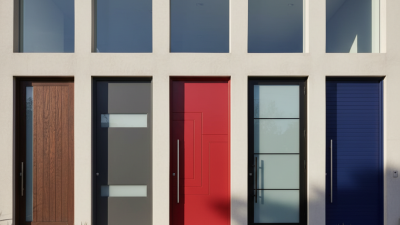
Global entry-door design is moving toward clean profiles, warm wood tones, textured metal, and larger glass panels.

Slim vertical glazing can brighten a narrow hallway without exposing the entire interior. However, beauty should not replace performance.

Coastal homes need corrosion-resistant hardware, while cold regions require insulated slabs and reliable weather seals. In hot climates, low-solar-gain glass can reduce indoor heat.

Sizing is not truly global. Common door widths range from 800 to 1,000 millimeters, but local construction systems differ.

Measure the existing slab, frame, threshold, and rough opening separately. Leave enough clearance for flooring changes. A small mistake here can delay installation.

Check the opening direction, wall thickness, hinge position, and accessibility needs before ordering.

Local building authorities may also specify safety glazing, wind resistance, fire separation, or minimum clear width.

Tips:

Request a shop drawing and installation guide before purchase. Confirm whether measurements use the door slab or the complete frame.

Protect the sill with a sloped, drained threshold. Use compatible flashing around the frame, especially in heavy-rain regions.

Anchors must suit masonry, timber, or steel construction.

A professional installer should verify plumb, level, and diagonal measurements.

Even experienced teams sometimes overlook floor height. Recheck it.

Choosing the Right Front Entry Door for Climate, Budget, and Maintenance

2026 Best Exterior Front Entry Doors for Global Buyers

Choosing a front entry door starts with the local climate, not appearance. In coastal areas, salty air can damage exposed hardware and weaken poorly sealed surfaces. A well-finished fiberglass or treated composite door usually needs less attention than untreated timber. Cold regions require tight weather seals and insulated cores. Hot, sunny locations benefit from UV-resistant finishes and lighter exterior colors.

Budget includes more than the door slab. Measure the opening carefully, then allow for the frame, threshold, locks, delivery, and professional installation. A cheaper door can become expensive when water enters through an uneven sill. During practical site checks, installers often find that poor alignment causes drafts, sticking, and early seal failure. Small details matter.

Maintenance should match your available time. Timber offers warmth and can be repaired, but it may need regular sealing, especially after wet seasons. Steel can provide strong security and value, although scratches need prompt treatment to prevent rust. Fiberglass resists moisture well, but damaged finishes are not always simple to repair. Check hinges, seals, drainage paths, and surface joints twice each year. Do not trust a perfect showroom sample. Local exposure, installation quality, and daily use can change the result. I would rather choose a modest door that fits correctly than an impressive one that demands constant correction.