Doors &
Windows

How to Choose the Best Exterior Screen Doors in 2026

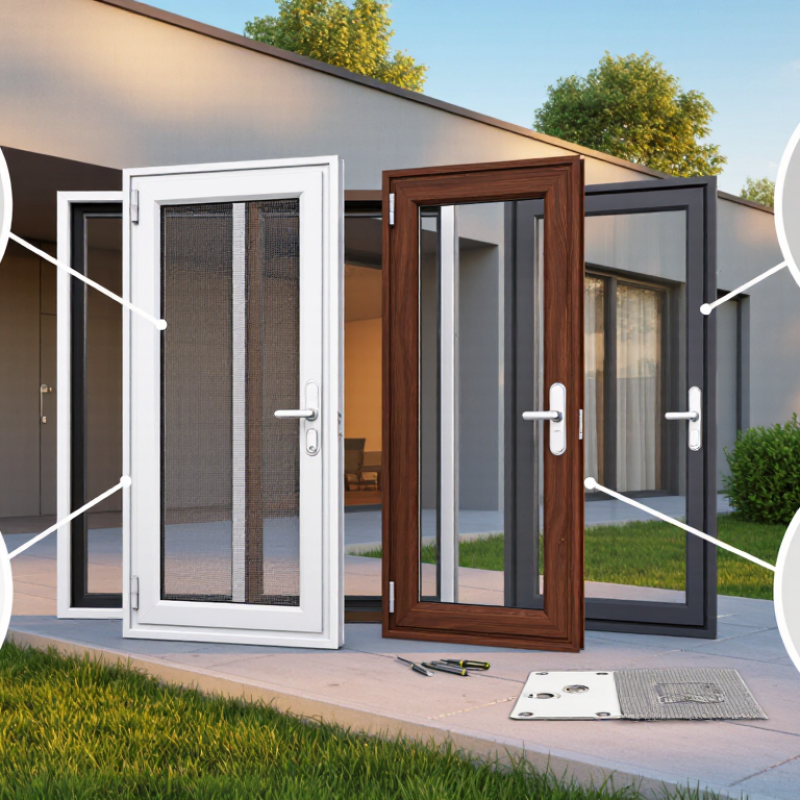
A good exterior screen door should do more than cover an opening. It should admit a breeze, keep insects outside, and close cleanly against the frame. Yet the right choice depends on your doorway, local weather, daily traffic, and maintenance tolerance. Small details matter. A loose corner, weak closer, or poorly fitted mesh can turn a promising purchase into a nagging problem.

Indoor air quality is part of the picture, but a screen door is not a ventilation plan. The U.S. Environmental Protection Agency’s report, The Inside Story: A Guide to Indoor Air Quality, notes that some indoor pollutant levels may be two to five times higher than outdoor levels. That finding supports thoughtful ventilation, not the assumption that opening a door always improves air quality. Building scientist Joseph Lstiburek has expressed the broader principle simply: “All buildings need to be ventilated.” His point concerns buildings generally, not a specific screen-door product.

Market data has a limitation, too. Public reports commonly group screen doors with broader door and window categories, so precise, screen-door-only performance comparisons are scarce. Be cautious with sweeping claims. This guide focuses on what buyers can verify: frame material, mesh strength, hinge and closer quality, latch security, fit, and repair options. We’ll compare common designs and explain which details deserve a closer look in 2026. Some choices are less obvious than they seem. A heavier frame may feel sturdy, but it can also demand stronger hardware and more adjustment.
How to Choose the Best Exterior Screen Doors in 2026

Measure the Opening and Confirm Clearance Before Choosing a Screen Door

How to Choose the Best Exterior Screen Doors in 2026

Measure the opening before comparing frame styles or mesh. Record the inside width at the top, middle, and bottom of the door jamb. Then measure height on both sides and through the center. Older openings can be slightly out of square. Use the smallest width and height, and check the manufacturer’s required mounting clearance. Measure the jamb, not the decorative trim. A handle, closer, or raised threshold can also interfere with the swing. Small details matter.

The U.S. Access Board’s 2010 ADA Standards specify a 32-inch minimum clear width for accessible door openings, with measurement rules and exceptions. Treat that figure as an accessibility benchmark, not a universal screen-door size. Confirm the actual clear passage after installation, especially if mobility devices use the entrance. A screen door that fits the frame may still reduce usable clearance. That distinction is easy to miss.

Tips: Use a steel tape, keep it level, and write down each measurement. Check the door’s swing direction and threshold height. If readings differ, remeasure before ordering; guessing here can mean a poor fit. I would not assume a supposedly standard opening is square. It often isn’t.
Compare 18×16 Standard Mesh with 20×20 Fine Mesh for Pest Control

For exterior screen doors in 2026, compare mesh counts as well as frame fit. An 18×16 mesh has 18 strands in one direction and 16 in the other per inch. It is a common, balanced choice for keeping out flies and mosquitoes while allowing comfortable airflow. A 20×20 fine mesh has smaller openings, which can help block tiny insects that pass through standard mesh. The trade-off is often reduced airflow and slightly less light. Check the actual product specifications, since wire thickness and weave can affect visibility and ventilation.

Pest control depends on more than mesh count. Fit matters, too. A fine screen cannot stop insects if there is a gap along the latch, bottom edge, or frame. Measure the door opening carefully, and inspect seals for daylight before choosing. In a breezy kitchen, 18×16 may feel more comfortable; near marshy areas or when small biting insects are common, 20×20 may be worth the airflow compromise. No mesh count guarantees a pest-free room. That detail is easy to overlook. Also consider cleaning: fine mesh can show dust sooner, and clogged openings further reduce airflow. A quick hose rinse may help, but follow the screen maker’s care instructions.

Choose Frame Material and Door Style for Use, Weather, and Access

Choose a frame for the exposure it will actually face. Aluminum is light and low-maintenance, but salt spray can damage its finish; inspect coating quality and hardware. Wood offers a warm look, yet needs regular sealing, especially where rain hits the sill. The U.S. Energy Information Administration’s 2020 Residential Energy Consumption Survey found that space heating accounted for about 42% of household energy use. A screen door is not an insulating door, but a close fit and sound sweep help limit drafts when the main door is open. Check the latch, corners, and bottom gap. Small details matter.

NOAA recorded 28 U.S. billion-dollar weather and climate disasters in 2023. That national figure is not a local specification; use your own wind, rain, and sun exposure to guide the choice. For a sheltered porch, a hinged door may offer simple, sturdy access. In a narrow entry or busy walkway, a retractable screen can keep the swing path clear, though its mesh may need gentler handling. Consider pets, children, groceries, and mobility needs before choosing a style. Stand in the doorway and test the handle and opening path. Measure the clear passage, not just the frame. A choice that looks right can still feel awkward in daily use.

How to Choose the Best Exterior Screen Doors in 2026 — Choose Frame Material and Door Style for Use, Weather, and Access

Use or Priority Frame Material Screen Mesh Door Style Why It May Suit Check Before Buying
Everyday use on a sheltered entry Aluminum Fiberglass Hinged screen door Aluminum is relatively lightweight and does not rust like untreated steel. Fiberglass mesh is flexible and commonly used for general residential screening. Check the frame finish, hinge locations, closer compatibility, and whether the door can be trimmed or adjusted to fit the opening.
Coastal or humid conditions Aluminum or a suitable corrosion-resistant composite Fiberglass or corrosion-resistant metal mesh Hinged or sliding, depending on the opening Aluminum does not rust as iron or ordinary steel can, though salt and moisture may still affect finishes and hardware over time. Look for corrosion-resistant hinges, fasteners, and handles. Rinse off salt deposits periodically and follow the manufacturer’s care instructions.
Homes with cats or dogs Reinforced aluminum or another rigid, compatible frame Pet-resistant polyester or other reinforced mesh Hinged door with a sturdy frame Reinforced mesh is designed to better resist claws and impact than standard insect screen, but it is not necessarily a barrier against a determined pet. Confirm mesh compatibility with the frame and ask whether a separate pet grille or kick plate is available. Reinforced mesh may reduce airflow or visibility slightly.
Wide patio opening Aluminum frame Fiberglass or metal mesh suited to the track system Sliding screen door A sliding door travels along a track rather than swinging into the room or patio, making it practical where swing clearance is limited. Measure the opening and track carefully. Check roller adjustability, track condition, latch alignment, and whether the screen door is designed for the existing patio-door system.
Occasional screening with an unobstructed view when open Frame integrated with the retractable system Retractable insect-screen fabric or mesh Retractable screen The screen rolls into a housing when not in use, leaving the doorway largely clear. It can suit entries where a fixed panel is inconvenient. Check the mounting surface, opening width and height limits, wind exposure, screen tension, and whether the unit is intended for exterior installation.
Traditional appearance or a paintable finish Wood Fiberglass or metal mesh Hinged screen door Wood can be painted or stained and may complement traditional trim. It can also be cut or repaired more easily than some prefabricated frames. Wood needs suitable exterior paint or stain and periodic maintenance. Verify the door is protected from prolonged moisture and that its weight suits the hinges and frame.
More rigid feel and impact resistance Steel or reinforced aluminum Metal mesh or reinforced screening Hinged security-style screen door A rigid frame and grille can provide more resistance to everyday knocks than a lightweight screen door. A screen door alone should not be assumed to provide certified security. Check corrosion protection, installation anchoring, lock compatibility, and local requirements. Confirm that the door does not obstruct emergency egress.
Changing weather and seasonal ventilation Aluminum or another exterior-rated frame Replaceable screen insert, where offered Combination storm-and-screen door Some combination doors use interchangeable or integrated panels to provide screening in warm weather and a glazed panel in colder weather. Compare panel-change mechanisms, glazing type, ventilation options, weather seals, and fit. Performance varies by product and installation.
Limited swing space or a narrow entry Aluminum or a system-compatible frame Fiberglass mesh Sliding or retractable screen These styles avoid the outward or inward swing of a hinged door and may work better where furniture, steps, or walkways restrict clearance. Confirm there is enough wall or track space for the chosen system and that the handle and latch are reachable without blocking the main door.
Better airflow through a screened opening Any frame compatible with the selected mesh and opening Open-weave insect mesh Hinged, sliding, or retractable Mesh openness affects airflow as well as insect screening and visibility. A larger open area generally allows more air through, but may provide less resistance to very small insects. Compare the mesh specifications and intended insect protection. Keep the frame and screen clear of dust and debris to avoid restricting airflow.

Request ASTM E330 Pressure-Test Data and Check UV-Resistant Materials

When comparing exterior screen doors in 2026, request the ASTM E330 pressure-test report, not just a sales claim. Ask for the tested door size, frame setup, and pressure rating. The test measures structural performance under uniform air pressure; it does not prove every installation will perform the same way. Check whether the tested assembly matches your opening, hardware, and mounting method. Ask for the report.

Look closely at the mesh, frame finish, and seals for documented UV-resistance data. Sunlight can fade dark mesh and make some plastics brittle, especially on exposed west-facing doors. Ask how the materials were evaluated and whether the test covers prolonged UV exposure. A vague “weather resistant” label tells you little. Hold a sample near a window and inspect its flexibility, but remember that a quick check cannot replace laboratory results. I would also compare warranty terms, though they can be frustratingly broad. A useful choice rests on test details, material evidence, and the conditions at your own doorway.

Compare Installed Cost, Warranty Terms, and Replacement-Part Availability

When comparing exterior screen doors, look beyond the price on the shelf. Ask for an installed estimate that names the door, frame adjustments, hardware, removal, and cleanup. A low quote may exclude a warped jamb or a closer that needs fitting. Get those details in writing. That small step can prevent a surprise charge after the old door is off.

Read the warranty before choosing. Check how long the frame, mesh, finish, and moving parts are covered; they may have different terms. Note whether coverage includes labor, shipping, or only replacement materials. Keep the receipt. A warranty that sounds generous can be less useful if filing a claim requires proof of purchase or excludes common wear. I would not assume “limited lifetime” means every part is covered for life.

Replacement-part availability matters after daily use loosens a hinge or tears a corner of mesh. Ask whether you can order matching mesh, spline, handles, rollers, and closers separately. Find out if common sizes are stocked, and record the door’s measurements and model information. That matters. A repairable door can be more practical than a cheaper one that requires full replacement for a small failure. Availability can change, though, so confirm it rather than relying on a sales-page promise.