Best Outer Doors in China for Global Buyers?
As global buyers explore the vast market of outer doors in China, understanding quality and innovation holds utmost importance. Data from the China Doors Industry Report 2022 shows that the outer door market is projected to grow by 8% annually. This growth is driven by increasing construction activities and rising demand for energy-efficient products. Expert John Smith, a leading figure in the outer doors sector, noted, "Quality outer doors not only enhance aesthetics but also improve energy efficiency."
Foreign buyers should consider various factors when selecting outer doors. These include material durability, design trends, and thermal performance. Steel and fiberglass options are becoming popular for their strength and insulation properties. However, some manufacturers may compromise on quality to cut costs. Buyers need to assess suppliers carefully to avoid potential pitfalls.
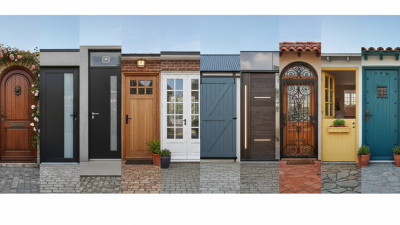
Furthermore, the diverse landscape of designs available can be overwhelming. From traditional wooden doors to modern aluminum options, finding the perfect match is not always easy. Buyers must explore multiple avenues and ensure they choose reputable brands to make informed decisions in this booming market.
Types of Outer Doors Available in China for Global Buyers
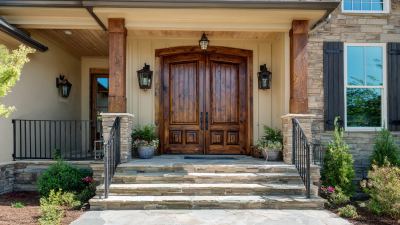
When exploring the types of outer doors available in China, global buyers can find a diverse range to suit various needs. Wood, steel, and fiberglass doors are among the most popular choices in the market. Wood doors offer natural insulation and aesthetic appeal, making them ideal for homes. However, they may require frequent maintenance due to weathering. The China Wooden Door Industry Report noted a market size growth of 8% annually in this segment, indicating strong consumer interest.
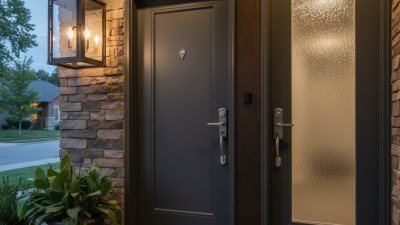
Steel doors provide robust security and durability. They can withstand harsh environments and are often used in commercial settings. According to a recent analysis by Statista, sales of steel doors in China have surged by 40% over the last three years. These doors are typically pre-finished, reducing installation time. However, their heavier weight may present challenges during handling.
Fiberglass doors combine the benefits of both wood and steel without the downsides. They are energy-efficient and resistant to denting and rusting. The market for fiberglass doors has seen a steady increase, with a notable 25% rise reported last year. While these doors require less upkeep, the initial cost can be higher compared to traditional materials. Each type offers unique advantages, and buyers should consider their specific requirements before making a decision.
Key Factors to Consider When Selecting Outer Doors
When selecting outer doors, several key factors come into play. Material choice is crucial. Doors made from solid wood, fiberglass, or steel offer different aesthetic appeals and durability. According to the Global Door Market Report, wood doors occupy about 40% of the market due to their classic appearance. However, fiberglass is gaining traction due to its energy efficiency. Energy-efficient options can reduce heating and cooling costs, appealing to environmentally aware consumers.
Next is security. In recent years, home burglaries have increased by approximately 5%. The demand for reinforced doors has risen significantly. Buyers should look for features like multi-point locking systems. These details not only enhance security but also improve weather resistance. A door that withstands the elements contributes to overall home maintenance.
Aesthetic integration is another factor. The door's design should complement the home’s exterior. Many buyers overlook color and style, which impact curb appeal. Choosing a door with the wrong color can detract from a house's value. Customization options can resolve these challenges. Additionally, understanding local building codes is essential, as regulations vary by region. Selecting outer doors involves careful consideration of these elements to achieve the best results.
Top Manufacturers of Outer Doors in China
When exploring the outer door market in China, several manufacturers stand out for their expertise and reliability. Many of these companies boast years of experience in producing durable and aesthetically pleasing doors. This focus on quality is evident in their selection of materials. Moreover, they offer a variety of styles to suit different architectural designs. From classic wooden doors to modern metal options, there's something for every taste.
One common challenge is the inconsistency in manufacturing standards. Not all factories maintain the same level of quality control. Buyers must conduct thorough research to identify reputable manufacturers. Visiting factories can provide insights into their operations. Trusted suppliers often provide detailed certifications and test reports. This transparency helps in building confidence and ensures that customers receive high-quality products.
Moreover, the logistics for shipping can be complex. Understanding the import regulations and customs duties in the destination country is vital. Some manufacturers might assist with this process, but it's essential to clarify their roles. Feedback from previous buyers can be invaluable during this phase. Engaging with online communities and forums can also shed light on the experiences of others. This collaborative approach can lead to informed decisions and better purchasing outcomes.
Quality Standards and Certifications for Chinese Outer Doors
When considering outer doors from China, understanding the quality standards and certifications is essential. Many manufacturers adhere to domestic and international regulations. Common certifications include ISO and CE. These ensure that products meet safety, durability, and environmental criteria. However, not all factories maintain these standards consistently. This can lead to quality discrepancies that may affect buyer decisions.
The manufacturing process can vary significantly. Some use high-quality materials, while others may cut costs. Buyers must thoroughly research potential suppliers. Inspecting their facilities or requesting documentation on compliance can help. Even with certifications, occasional lapses in quality may occur. It's vital to ask for samples and perform tests to ensure they meet specific requirements.
Strengthening buyer-supplier communication is key. Clarifying product specifications upfront can reduce misunderstandings later. Regular updates on manufacturing processes can also improve transparency. The pursuit of quality should always include contingency measures. If a door fails to meet expectations, having a plan can mitigate losses. Engaging with experts in the sector can provide valuable insights. This collaborative approach enhances the overall purchasing experience.
Best Outer Doors in China for Global Buyers - Quality Standards and Certifications for Chinese Outer Doors
| Door Type |
Material |
Certification |
Durability (Years) |
Price Range (USD) |
| Solid Wood Door |
Mahogany |
ISO 9001 |
15-20 |
800 - 1500 |
| Fiberglass Door |
Fiberglass |
CE, ANSI |
20-30 |
600 - 1200 |
| Metal Door |
Steel |
ISO 14001 |
10-25 |
500 - 1000 |
| PVC Door |
PVC |
SGS |
5-15 |
300 - 700 |
| Aluminum Door |
Aluminum |
RoHS |
20-40 |
700 - 1500 |
Trends in Outer Door Designs for International Markets
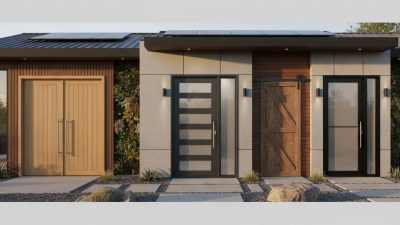
In recent years, the outer door market in China has evolved significantly. Buyers from around the world are looking for innovative designs that reflect both functionality and style. Notable trends include the integration of smart technology into door systems, allowing for seamless connectivity and enhanced home security. Manufacturers are prioritizing energy efficiency as well, with materials designed to insulate homes while maintaining aesthetic appeal.
Sustainability also plays a crucial role in current outer door designs. Many manufacturers are exploring eco-friendly materials, such as recycled composites and sustainably sourced wood. These choices not only contribute to the environment but also appeal to conscious consumers. A challenge remains, however, in balancing durability with design. Some doors may sacrifice robustness for intricate patterns, leading to dissatisfaction over time.
Incorporating a variety of textures and colors is another trend gaining traction. Buyers are increasingly drawn to doors that offer a combination of finishes, from sleek metal to rustic wood. This diversity allows for personalized home entrances, yet some designs risk becoming overly complex. Simplicity can be key, and finding that balance is essential for both aesthetics and user experience. Maintaining quality in unique designs is an area that requires ongoing reflection.
Trends in Outer Door Designs for International Markets