What Are the Best Outdoor Doors from China for Buyers?
Choosing the best outdoor doors from China requires more than comparing prices or browsing polished product photos. Buyers must examine materials, weather resistance, hardware quality, factory experience, and after-sales support. A beautiful door can still fail when rain enters the frame, hinges loosen, or the finish fades under strong sunlight.
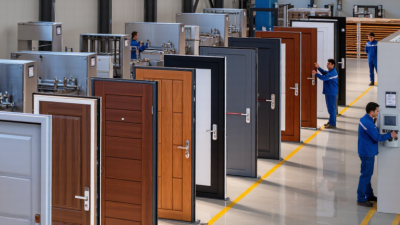
Building-science expert Joseph Lstiburek often says, “Water is the enemy.” That short warning matters when evaluating outdoor doors. Ask how the manufacturer manages drainage, sealing, threshold design, and thermal movement. Look for clear specifications, such as aluminum grade, stainless-steel hardware, glass performance, coating type, and tested air and water resistance. A factory should also provide production photographs, sample details, inspection records, and honest answers about customization limits.
China offers a wide range of outdoor doors, from insulated aluminum systems to solid wood and steel designs. However, the lowest quotation may hide thinner profiles, weaker locks, or incomplete packaging. It happens. Buyers should request a physical sample or detailed cross-section before placing a large order. Check how the door feels, closes, seals, and survives handling.
This guide explores practical ways to compare Chinese suppliers and door styles. It considers climate, project location, installation conditions, budget, and long-term maintenance. Some recommendations may challenge common assumptions. A cheaper door is not always economical, while a premium-looking model may lack dependable technical support. Careful verification remains essential.
Outdoor Door Types and Their Best Uses
What Are the Best Outdoor Doors from China for Buyers?
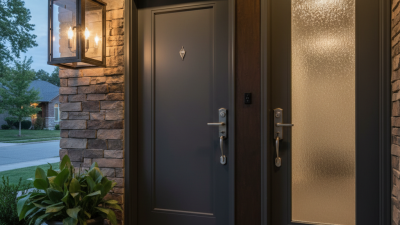
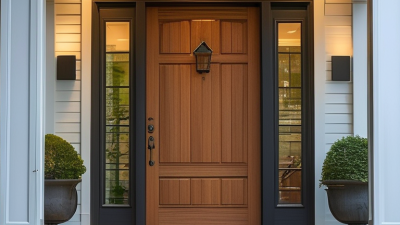
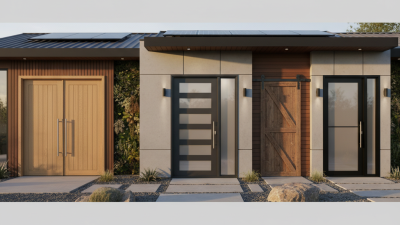
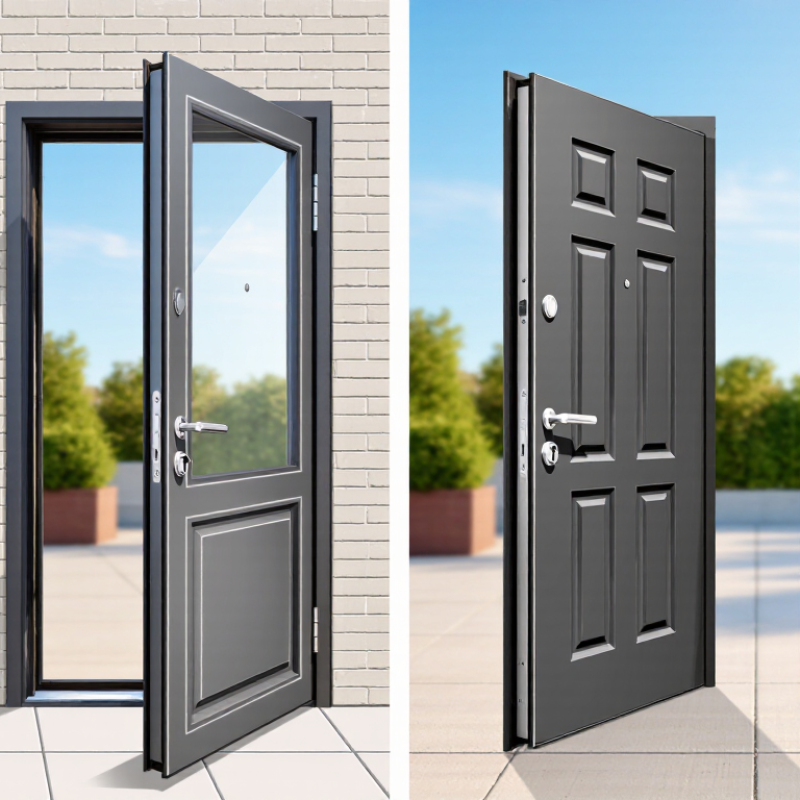
Outdoor doors from China cover several practical types. Steel doors suit warehouses, apartment entrances, and high-traffic service areas. They offer strength, but exposed finishes may need regular protection. Aluminum doors work well for coastal homes because they resist rust and support wide glass panels. Fiberglass doors fit villas and renovation projects. They imitate wood grain without demanding the same maintenance. Solid timber doors feel warm and premium, yet they require careful sealing in humid climates.
Performance matters more than appearance. The IEA’s 2023 Global Status Report says buildings used about 30% of global final energy in 2022. A poorly sealed door can create a noticeable draft around the frame. Look for tested U-values, air-leakage results, water resistance, and hardware cycle data. European or North American test standards may not match factory claims. Request the full test report, not only a product sheet. A mistake is possible here: a beautiful door can still perform poorly after installation.
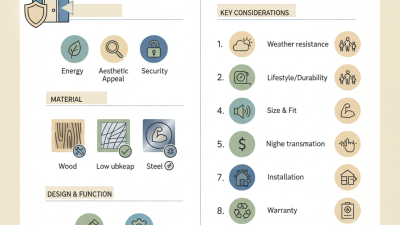
Tips: Match the door to the site first. Choose thermal breaks for cold regions and corrosion-resistant hardware near saltwater. Ask suppliers for sample corners, gasket details, coating thickness, and packaging photos. Confirm opening direction and threshold height before production. A small measurement error can become an expensive installation problem. Allow independent pre-shipment inspection when order value is significant.
What Are the Best Outdoor Doors from China for Buyers?
Outdoor door performance depends on climate, security requirements, maintenance expectations, and the amount of glazing. The chart compares common door types using practical material-property benchmarks on a 1–5 scale, where 5 indicates stronger typical performance.
Fiberglass doors are generally well suited to wet or changing climates, insulated steel doors are a strong choice for security and value, aluminum-glazed doors work well for modern designs and large openings, solid wood doors suit traditional projects that allow regular maintenance, and uPVC doors are commonly selected for energy-conscious residential applications.
Materials, Construction, and Weather Resistance
Outdoor doors from China should be judged by materials, construction, and weather resistance, not appearance alone. Fiberglass resists moisture well and usually needs less maintenance than timber. Aluminum offers strength and slim frames, but its thermal performance depends on a reliable thermal break. Solid wood feels warm and substantial, yet exposed edges can swell when sealing is weak. The U.S. Department of Energy reports that windows cause about 25–30% of residential heating and cooling energy use; a poorly sealed door can worsen this loss. That figure is easy to overlook.
Construction details reveal more than catalog photos. Ask for insulated cores, adjustable hinges, multi-point locks, and compression gaskets that remain flexible in cold weather. Thresholds should include drainage paths, especially for homes facing heavy rain. ASTM E331 and AAMA/WDMA/CSA 101/I.S.2/A440 testing can verify resistance to water penetration and air leakage. Request the complete test report, including size, pressure, and failure conditions. A certificate without test scope proves little. In coastal areas, powder-coated aluminum and corrosion-resistant fasteners deserve attention. In humid regions, inspect timber treatment and edge sealing carefully. Some suppliers show impressive laboratory results but provide limited installation guidance. That is a real weakness. Measure the opening, wall exposure, and local wind conditions before comparing quotations. Door performance depends on installation, too. A strong panel cannot rescue a badly sealed frame.
Pricing, Shipping, and Buyer Selection Criteria
Buying outdoor doors from China can offer competitive pricing, but the lowest quote rarely shows the full cost. A basic aluminum door may look affordable at factory level. However, hardware, glass thickness, surface treatment, packaging, and export documents can change the final price. In my sourcing experience, a detailed quotation prevents unpleasant surprises. Ask for itemized costs, not one attractive total.
Shipping needs careful planning. Confirm the door dimensions, packing method, container space, and delivery terms before payment. A reinforced wooden crate can protect large glass panels, but it also adds weight and freight charges. Sea shipping usually costs less than air freight, though it takes longer and needs port coordination. Request photos of packed goods before dispatch. Small errors become expensive after loading.
Buyer selection should focus on measurable evidence.
Check factory experience with outdoor exposure, drainage design, seal quality, wind resistance, and replacement-part support. Review test reports when available, but verify whether they match the actual door model. I once trusted a sample that used better hardware than the production order. That mistake was avoidable. Ask for a production sample or a signed specification sheet. Also inspect hinges, locks, corner joints, and finish consistency. Some buyers focus too heavily on price. That can weaken the project’s long-term value. Reliable communication matters, especially when sizes or local installation conditions change. Be realistic about lead times. Weather delays and port congestion still happen.