2026 Top Trends in Exterior Front Entry Doors for Modern Homes
As modern homes evolve, the design of exterior front entry doors becomes increasingly important. Expert architect John Reynolds once stated, "The front door is the home's first impression." With trends shifting towards minimalism and sustainability, homeowners are rethinking their choices in exterior front entry doors.
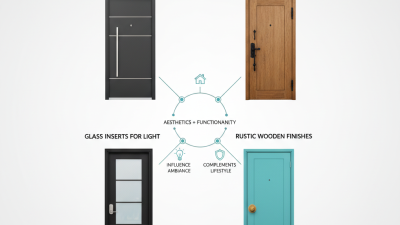
Today’s designs feature a blend of aesthetics and functionality. Bold colors and textured finishes are gaining popularity. The choice of materials has shifted as well, with eco-friendly options on the rise. However, not every door suits all homes, and personal style should drive these selections.
Homeowners often overlook the importance of scale and proportion. A door too large or small can disrupt the exterior harmony. It's vital to consider how an exterior front entry door complements the overall architecture. Finding the perfect door requires thought and reflection, as it's more than just an entry point; it's a statement of individuality.
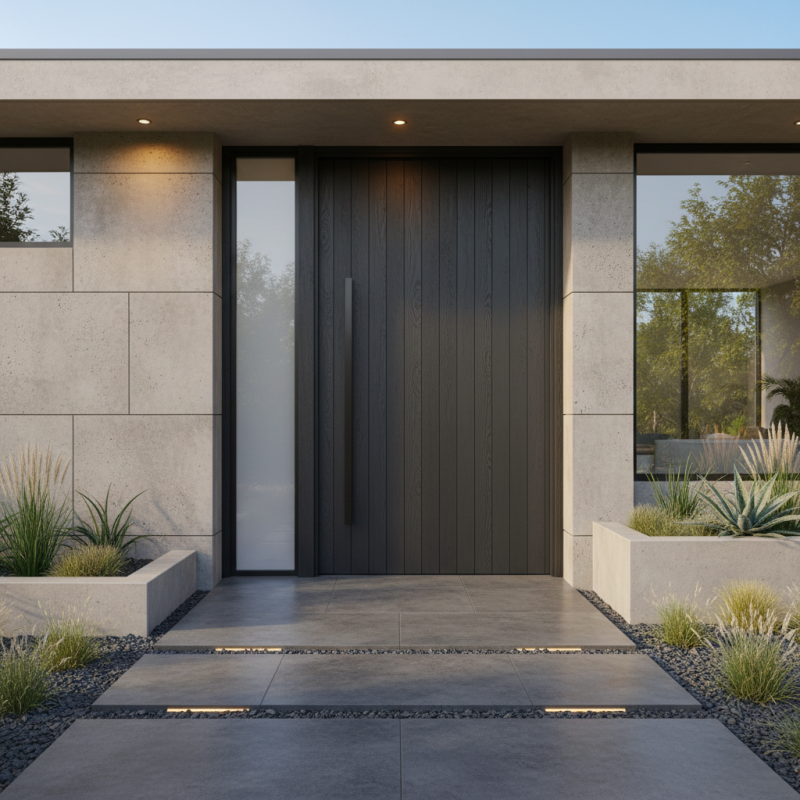
Emerging Materials for 2026 Front Entry Doors in Modern Architecture
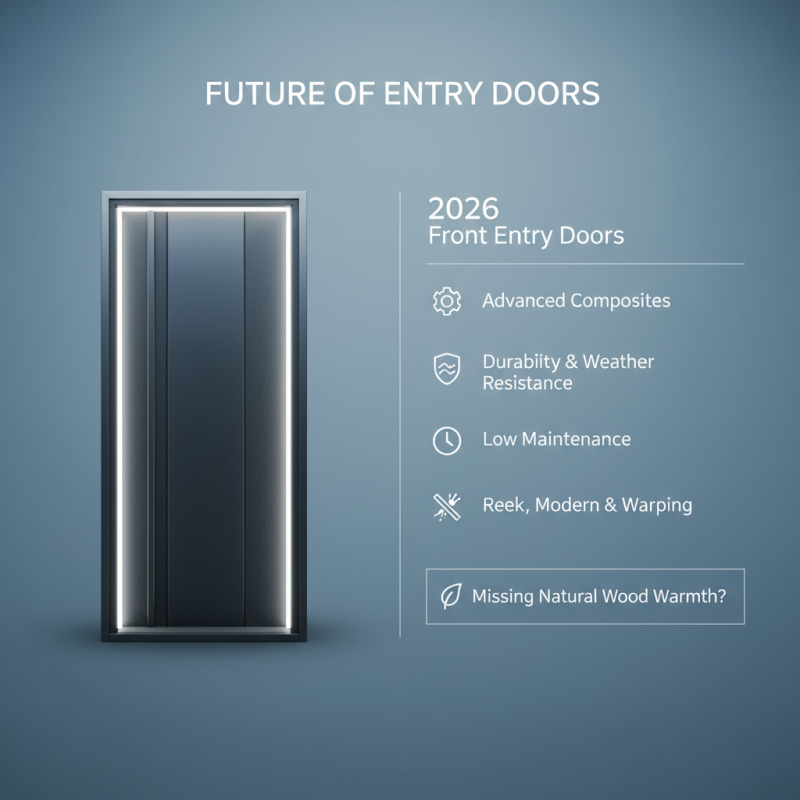
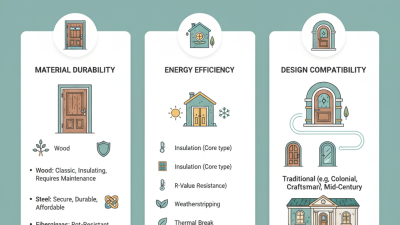
As we look ahead to 2026, front entry doors are evolving with emerging materials that reflect modern design sensibilities. One significant trend is the use of advanced composites. These materials combine durability with a sleek aesthetic. They resist weather elements better than traditional wood. This durability can lead to fewer maintenance worries over time. However, some homeowners might miss the warmth of natural wood.
Another noteworthy material is fiberglass. It offers versatility in style and color. Homeowners can achieve a high-end look without the hefty price tag. Fiberglass doors can mimic the appearance of wood while providing excellent insulation. Yet, there's a concern about how these materials interact with the natural environment. Are they sustainable? That is an important question to consider.
Additionally, metal doors, especially those with a modern finish, are making a comeback. They offer a sleek, industrial appearance. This brings a unique contrast to softer architectural elements. However, some might find metal prone to scratches and dents. Balancing aesthetics with functionality is key in the design process. Each material has its pros and cons, and it's essential to reflect on personal preferences and environmental impact when choosing a front entry door for modern homes.
Innovative Design Concepts for Modern Home Entryways in 2026
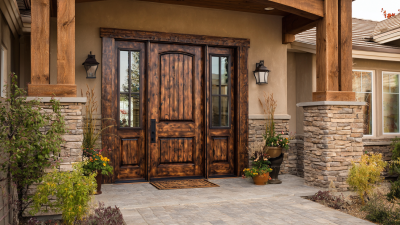
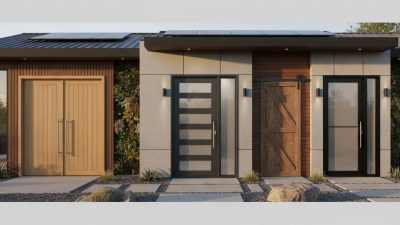
The exterior front entry door is the first impression of a modern home. In 2026, we are seeing innovative designs that break traditional norms. Geometric shapes and asymmetrical lines are making a bold statement. Homeowners are looking for doors that express individuality and style. Textured surfaces, such as wood grains and metal finishes, add depth and character.
Color choices are becoming bolder. Bright hues and contrasting tones catch the eye and invite curiosity. However, striking designs may clash with the surrounding architecture. Finding harmony is crucial yet challenging. Lighting elements integrated into door designs enhance security and aesthetics. Beautiful lighting can transform how a door is perceived at night.
Sustainability remains a key focus. Eco-friendly materials in various textures are preferred, but choice limitations exist. Balancing sustainability with aesthetic appeal is not easy. Homeowners often struggle to find options that meet both criteria. As trends evolve, the exterior front entry door continues to be a canvas for creativity and expression.
2026 Top Trends in Exterior Front Entry Doors for Modern Homes
| Trend |
Description |
Material |
Color Palette |
Unique Features |
| Smart Technology Integration |
Doors equipped with smart locks, video doorbells, and remote access systems for enhanced security. |
Fiberglass, Steel |
Matte Black, Deep Blue |
Integration with home automation systems |
| Sustainable Materials |
Increasing use of eco-friendly materials like reclaimed wood and recycled metal. |
Reclaimed Wood, Aluminum |
Natural Wood Tones, Earthy Greens |
Made from renewable sources |
| Bold Colors and Finishes |
Vibrant hues and unique finishes that draw attention and enhance curb appeal. |
Fiberglass, Wood |
Crisp White, Vibrant Teal |
Textured surfaces and innovative coatings |
| Minimalist Aesthetic |
Clean lines and simple designs that resonate with modern architectural styles. |
Steel, Glass |
Neutral Shades, Metallic Finishes |
Hidden hardware and seamless integration |
| Large Entryways |
Wider doors and double-door entryways that create a grand entrance. |
Wood, Glass |
Rich Walnut, Classic Black |
Folding or sliding door options |
Color Trends and Finishes for Front Entry Doors in the Upcoming Year
Color choices for front entry doors are evolving. In 2026, expect bold hues like deep blue and vivid green. These colors enhance curb appeal. They create a striking contrast with traditional brick or siding. Softer shades like creamy white and pastel yellow also remain popular. They provide a fresh, inviting look.
Finishes are just as crucial as colors. Matte finishes are on the rise. They offer a modern touch. Glossy surfaces still hold charm, especially in classic styles. However, some might feel glossy doors require more maintenance. Natural wood finishes, with their warm tones, add elegance. But, they may need regular upkeep to maintain their beauty.
Homeowners should consider what reflects their style. Trying out different colors and finishes can be exciting. A front door is more than just an entryway; it's a statement. Embracing new trends can bring life to a home. Yet, it's important to ensure these trends align with personal taste.
2026 Top Trends in Exterior Front Entry Doors - Color Trends and Finishes
Smart Technology Integration in Modern Entry Door Designs for 2026
The integration of smart technology into entry door designs is rapidly transforming modern homes. Imagine a sleek front door equipped with facial recognition. As you approach, it identifies you. This feature eliminates the need for keys. Convenience and security are now intertwined seamlessly.
Another exciting element is the use of smart locks. These devices can be controlled via mobile apps. You can lock or unlock your door remotely. Even if you forget, you can grant access to guests from anywhere. It enhances not only accessibility but also provides peace of mind.
However, some challenges exist. Not everyone is comfortable with technology. Some older homeowners might find smart locks daunting. Additionally, reliance on technology could present problems during power outages. Is it possible to balance convenience with a traditional feel? This integration invites reflection on what we prioritize in home security and personal comfort.
Sustainable Practices in the Production of Entry Doors for Eco-Friendly Homes
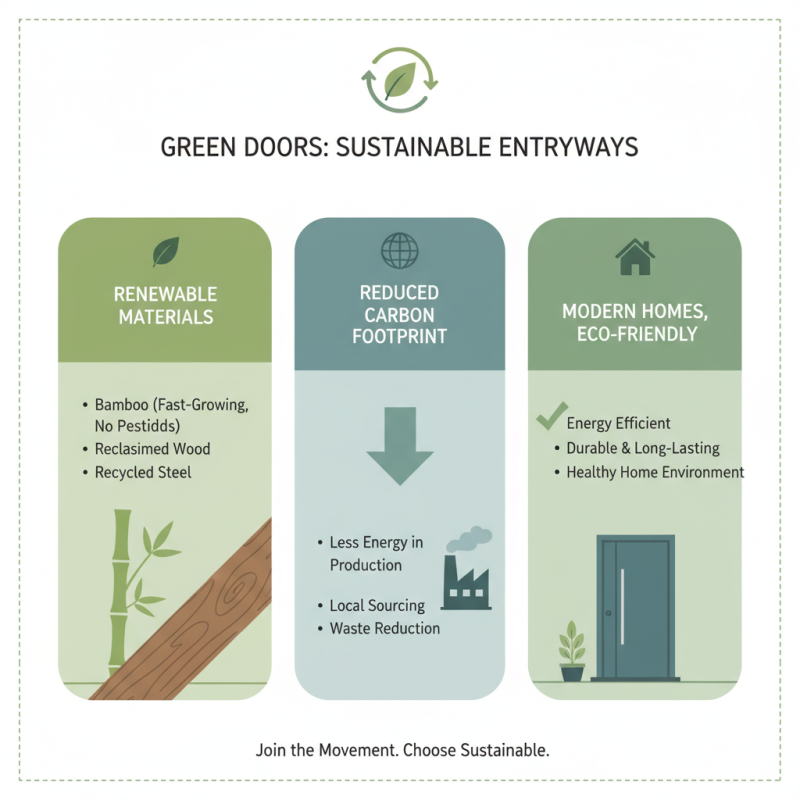
Sustainable practices in the production of entry doors are gaining traction. Many manufacturers now focus on using renewable materials. This helps reduce the carbon footprint. For instance, bamboo has become a popular choice. It grows quickly and does not require pesticides. Using such materials can enhance the eco-friendliness of modern homes.
Recycling is another critical aspect of sustainable door production. Some companies repurpose old wood or metal into new designs. This not only minimizes waste but also adds unique character to each door. However, the process can be complex. It requires careful selection and inspection of reclaimed materials. The quality can sometimes be inconsistent, leading to a need for improvements in craftsmanship.
Energy efficiency is also vital in the choice of entry doors. Many designers focus on insulation ratings. This means doors help maintain indoor temperatures, reducing energy consumption. While the benefits are evident, not all designs are perfect. Homeowners may sometimes overlook the importance of proper installation. Gaps can lead to drafts, counteracting the energy-efficient features of the door. It’s essential to pay attention to these details for a truly sustainable solution.