Top Tips for Choosing Fiberboard Medium Density Board Essentials?
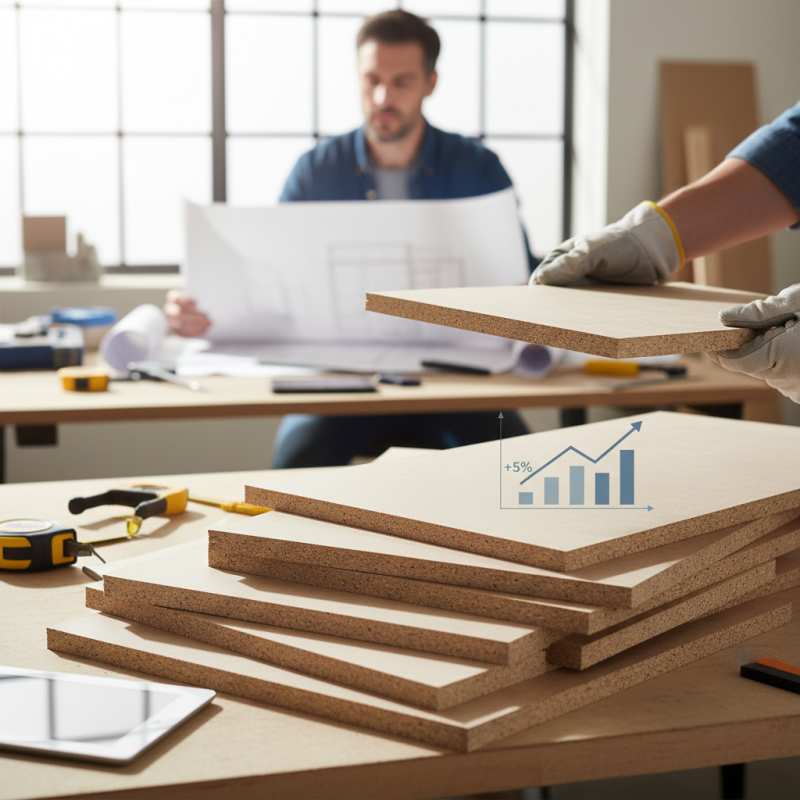
Choosing the right Fiberboard Medium Density Board can significantly impact your project’s success. Industry data indicates that the demand for Fiberboard Medium Density Board is increasing by 5% annually. This trend highlights its growing relevance in construction and furniture manufacturing. Matthew Johnson, a recognized expert in composite materials, states, "Understanding the nuances of Fiberboard Medium Density Board is crucial for optimal performance."
When selecting Fiberboard Medium Density Board, consider thickness, density, and production methods. Each factor influences durability and application suitability. The material should align with your specific needs, whether for cabinetry or flooring. Precise choices lead to better aesthetics and enhanced longevity. However, many overlook these details, leading to subpar results that require costly revisions.
While Fiberboard Medium Density Board offers numerous advantages, mistakes often stem from inadequate research. Potential users must remain vigilant and well-informed. Reflecting on personal experiences can also drive better decisions. Making the right choice not only enhances quality but also ensures project efficiency.
Understanding the Basics of Medium Density Fiberboard (MDF)
Medium Density Fiberboard (MDF) is a versatile product widely used in construction and furniture making. It consists of wood fibers glued together under heat and pressure. According to a report by the Forest Products Laboratory, MDF typically has a density range of 600 to 800 kg/m³. This density allows for stiffness, making it durable yet workable for cutting and shaping.
MDF is also more affordable than solid wood. Its uniform texture is ideal for various applications like cabinetry and paneling. However, its production process can release formaldehyde, a substance of concern. Recently, standards for formaldehyde emissions have tightened. This shift emphasizes the need for low-emission MDF products.
While MDF offers great benefits, it has some downsides. It is susceptible to moisture damage, swelling when exposed to water. Additionally, it may require sealing for long-term use in high-humidity areas. Balancing these factors is crucial when deciding on using MDF for your projects.
Key Characteristics and Properties of Fiberboard MDF
When selecting fiberboard medium density board (MDF), understanding its key characteristics is essential. MDF is known for its smooth surface, making it ideal for painting and veneering. Its consistency in density gives it impressive durability and strength. This makes MDF an excellent choice for furniture, cabinetry, and decorative projects.
One important aspect to consider is moisture resistance. While standard MDF is not waterproof, some types have added treatments that enhance their resistance to humidity. This can be crucial for projects in kitchens or bathrooms. Additionally, the ease of machining is a significant advantage. MDF can be cut, shaped, and drilled with precision, but it also requires care during handling. Dust is a byproduct of working with MDF, so proper safety equipment is necessary.
It's also worth noting that while MDF is versatile, it has limitations. Some users have reported issues with warp over time if exposed to extreme conditions. This reflects the importance of choosing the right type based on the environment. Researching potential projects and understanding various MDF grades can help in making informed decisions.
Factors to Consider When Choosing Fiberboard MDF for Projects
When selecting fiberboard MDF for your projects, consider several key factors. Thickness is crucial. Common options include 3/8", 1/2", and 3/4" boards. The thickness affects durability and usability. A thicker board often provides better support but can be heavier, making it harder to handle. Weight may lead to potential installation challenges.
Another important factor is density. Higher density boards are usually more robust, making them suitable for heavy-duty applications. However, this also means they could be more difficult to cut or shape. Think about your project's specific requirements before making a choice. It’s essential to have a good balance between strength and manageability.
Surface finish is also worth examining. Raw MDF has a porous texture, which can absorb paint and adhesives unevenly. Consider priming or sealing the boards for better results, but this adds effort to your project. Take time to research the best practices for finishing. Mistakes in preparation may lead to unsatisfactory results. Address each of these aspects carefully to enhance your project’s success.
Top Applications and Uses for Fiberboard Medium Density Board
Fiberboard medium density board (MDF) is favored in various sectors due to its versatility. This engineered wood product is extensively used in furniture manufacturing. It offers an ideal substrate for cabinets, tables, and shelves. According to a 2021 report from Markets and Markets, the MDF market is projected to reach $25 billion by 2026, reflecting its growing adoption in residential and commercial applications.
Another key application is in interior decoration. MDF can be easily painted or veneered, which enhances its aesthetic appeal. It is commonly used for moldings, doors, and panels. The American Wood Council reported that the building sector increasingly relies on MDF for its cost-effectiveness. Moreover, the acoustic and thermal properties of MDF make it suitable for constructing soundproof rooms and energy-efficient buildings.
However, there are considerations to keep in mind. While MDF is an affordable option, it is more susceptible to moisture compared to plywood. Its use in humid environments can lead to swelling and deformation. Users should weigh these factors against their project requirements. The decision to use MDF must consider these potential drawbacks to ensure longevity and functionality in their applications.
Top Applications and Uses for Fiberboard Medium Density Board
Maintenance and Care Tips for Fiberboard MDF Products
Maintaining fiberboard medium density board (MDF) products requires attention to detail. Proper care can extend the lifespan of these materials, which are commonly used in furniture and cabinetry. According to a report by the Wood Products Council, the average lifespan of properly maintained MDF can reach over 15 years. However, neglect can significantly reduce durability.
Regular cleaning is crucial. Use a damp cloth for surface cleaning, avoiding harsh chemicals. Studies show that using gentle cleaners can prevent the degradation of surface finishes. Excessive moisture can warp MDF, as it is sensitive to humidity changes. Keeping the environment stable is essential to avoid these risks.
Repairing minor damages promptly is also important. Small scratches or chips can be addressed using filler compounds. However, severe damage may require replacement of the affected board. This reflects a proactive approach. Many users overlook this, leading to larger issues later. Ultimately, the longevity of MDF projects hinges on routine maintenance and mindful usage.
Top Tips for Choosing Fiberboard Medium Density Board Essentials
| Tip Category | Tip Description |
| Choosing Quality Material | Look for high-density MDF with a smooth finish for better durability and performance. |
| Understanding Thickness Options | Select the appropriate thickness based on your project requirements; thicker boards offer more strength. |
| Evaluating Moisture Resistance | Choose moisture-resistant MDF for areas exposed to humidity, like kitchens and bathrooms. |
| Finishing Techniques | Consider laminate, paint, or veneer finishes to enhance appearance and protect surfaces. |
| Regular Maintenance | Clean with a damp cloth and mild detergent to maintain the surface without damaging it. |
| Storage Conditions | Store MDF boards in a dry location, away from direct sunlight and extreme temperatures. |