2026 Top Residential Storm Doors for Enhanced Home Protection?
In the realm of home safety, the importance of selecting the right residential storm doors cannot be overstated. According to industry expert Dr. James Thornton, “Investing in quality storm doors is an effective way to enhance home security.” These specialized doors serve not only as barriers against harsh weather but also provide an additional layer of protection against intruders.
Choosing residential storm doors requires careful consideration of various materials and designs. Homeowners should assess their specific needs based on climate. For example, fiberglass doors are ideal for extreme weather, while steel doors offer excellent security features. However, many people overlook these details. They tend to prioritize aesthetics over functionality, which can result in poor choices.
The right residential storm door is an investment in safety and energy efficiency. It can help reduce energy costs while ensuring that your home remains secure. Despite their significance, many homeowners remain unaware of the full benefits these doors provide. Without proper research, important elements can be neglected, leading to suboptimal protection. Understanding what features to look for is essential in making an informed decision.
Overview of Residential Storm Doors and Their Importance
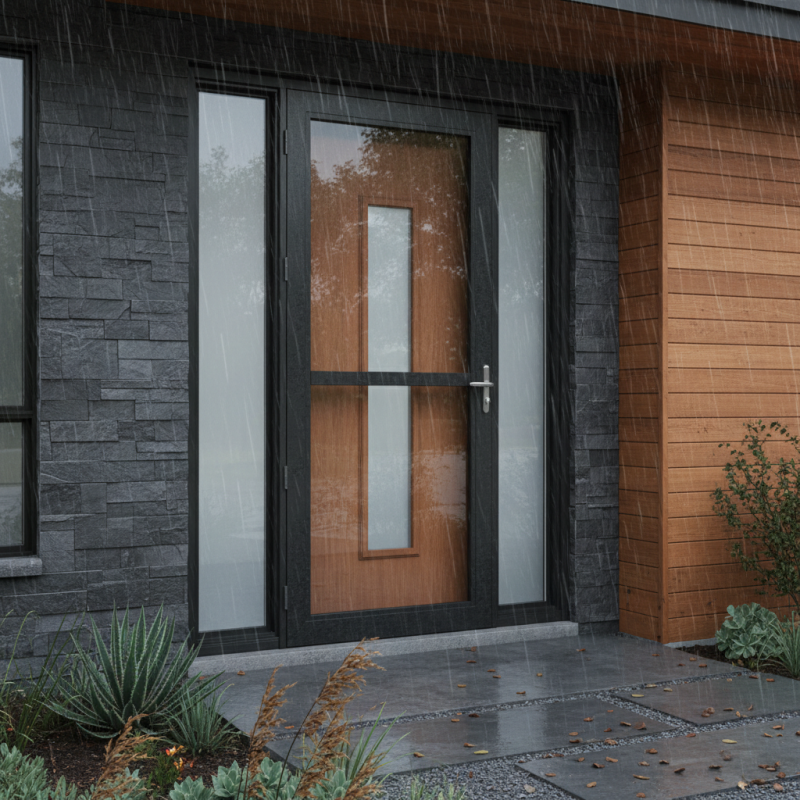
When it comes to home security, residential storm doors play a crucial role. These doors serve as a strong barrier against harsh weather conditions and unwanted intruders. They enhance insulation, which can lead to energy savings. Storm doors also add an extra layer of protection, particularly during severe storms. This helps in preventing damage to the main door and the interior of the home.
Choosing the right storm door is not an easy task. Many factors come into play, such as materials, design, and functionality. Some doors have built-in screens for ventilation. Others focus solely on durability. While some options may seem appealing, they may not hold up in extreme conditions. Homeowners should consider their local weather patterns when making a choice.
A storm door can sometimes be an overlooked investment. People may think it’s just an added expense. However, the benefits outweigh any initial costs. It’s easy to forget that these doors can protect against not just storms, but everyday wear and tear. A little reflection on their importance can lead to smarter choices for home protection.
Key Features to Consider When Choosing Storm Doors
When choosing the best storm doors for 2026, several key features should be prioritized. Material is crucial; opt for fiberglass or steel for durability. Wood may look nice but often warps over time. Check the insulation value as well. Good insulation can significantly reduce energy costs. Tempered glass is a wise choice for windows. It’s safer and stronger than regular glass.
Consider the design and style, too. Storm doors come in various styles and colors. The right choice can elevate the home's curb appeal. Think about the screen options. Full-screen doors provide ventilation without compromising security. It’s also important to assess the ease of installation. Some storm doors are complex to install, causing frustration. Measure carefully to ensure a proper fit.
Finally, weigh the price against features. A lower cost may seem appealing, but it might lack essential qualities. A premium door may save money in the long run with more efficiency. Read reviews and gather feedback before making a decision. It’s easy to overlook practical aspects in favor of aesthetics. Reflecting on your long-term needs is essential.
Top Brands and Models for 2026: A Comprehensive Evaluation
When looking for enhanced home protection, storm doors become essential in 2026. The market offers a variety of options, but not all doors are created equal. Some models feature durable materials that withstand harsh weather. Others focus on energy efficiency, reducing energy bills. A sleek design can also add curb appeal to your home while keeping security a priority.
Choosing the right storm door involves evaluating based on specific needs. Homeowners should consider local weather patterns. Storm doors must be resilient enough to handle extreme conditions. Additionally, user reviews often highlight ease of installation. Some models may not fit standard door frames, which can lead to frustrating adjustments. It’s vital to read feedback from actual users to avoid surprises.
The market also has models with added features. For instance, some doors come equipped with integrated window screens for ventilation. Others have adjustable hinges, making them versatile for various installations. However, not every feature is necessary for every household. Balancing functionality with aesthetic appeal is key. Homeowners should reflect on their unique needs and make informed choices.
Installation Tips for Optimal Performance of Storm Doors
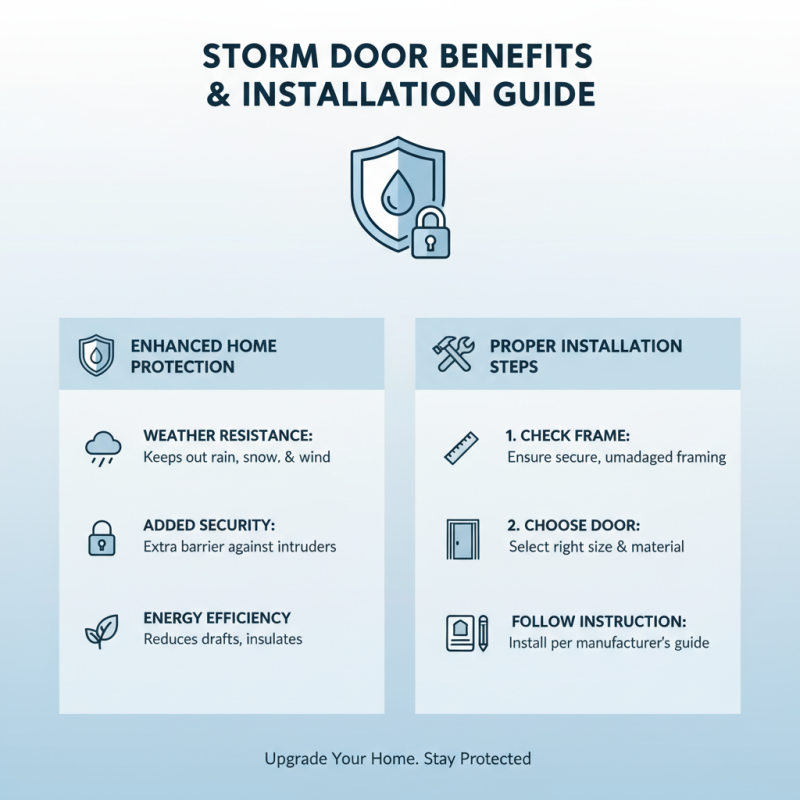
Installing storm doors can significantly enhance your home's protection. It keeps unwanted weather out while offering an extra layer of security. Choosing the right door is vital, but proper installation is equally important. Begin by ensuring the framing is secure. If the door frame is old or damaged, this could lead to problems later.
Make sure to measure accurately. Use a level to check for plumb and square openings. An uneven frame can create gaps. These gaps lead to drafts and decreased energy efficiency. Use weatherstripping in key areas to improve insulation. Pay careful attention to the hinges. Properly aligned hinges will prevent sagging over time.
After installation, regularly check for wear and tear. Hinges, seals, and locks can fail, compromising your door's effectiveness. Stand back and observe how the door closes. Gaps can indicate installation issues. Addressing these problems early prevents bigger headaches later. Remember, a storm door is not just about aesthetics; it is an investment in safety for your home.
Maintenance Recommendations to Extend the Life of Storm Doors
Maintaining storm doors is essential for prolonging their life. Regular cleaning helps remove dirt and debris. Use a mild detergent mixed with warm water. A sponge or soft cloth works well. Avoid harsh chemicals; they can damage the finish.
Check the door’s seals frequently. If seals begin to wear, replace them promptly. Gaps can allow drafts, reducing efficiency. Lubricate hinges with a silicone spray; it ensures smooth operation. Take a moment to inspect for rust or corrosion. This can occur, especially in humid climates.
Storing storm doors properly during off-seasons is crucial. Ensure they remain in a sheltered area. Extreme temperatures may warp the materials. Visual inspections matter. Scrutinize for any scratches or dents. They often go unnoticed but can lead to bigger issues. Remember, storm doors are guardians of your home. Keeping them in prime condition enhances their protective role.
2026 Top Residential Storm Doors for Enhanced Home Protection
| Model |
Material |
Energy Efficiency Rating |
Features |
Warranty |
Price Range ($) |
| Model A |
Fiberglass |
Energy Star Certified |
Multi-point locking system, Low-E glass |
Limited Lifetime |
300 - 450 |
| Model B |
Steel |
Excellent |
Impact-resistant, Custom colors |
10 Years |
400 - 600 |
| Model C |
Wood Composite |
Good |
Classic design, Insulated core |
Limited 5 Years |
250 - 400 |
| Model D |
Aluminum |
Moderate |
Durable finish, Easy maintenance |
20 Years |
200 - 350 |
| Model E |
Vinyl |
Very Good |
Double glazed, Weather-strip technology |
Lifetime Limited |
350 - 500 |