
Doors &
Windows

Top 10 Packing Machines You Should Know About?

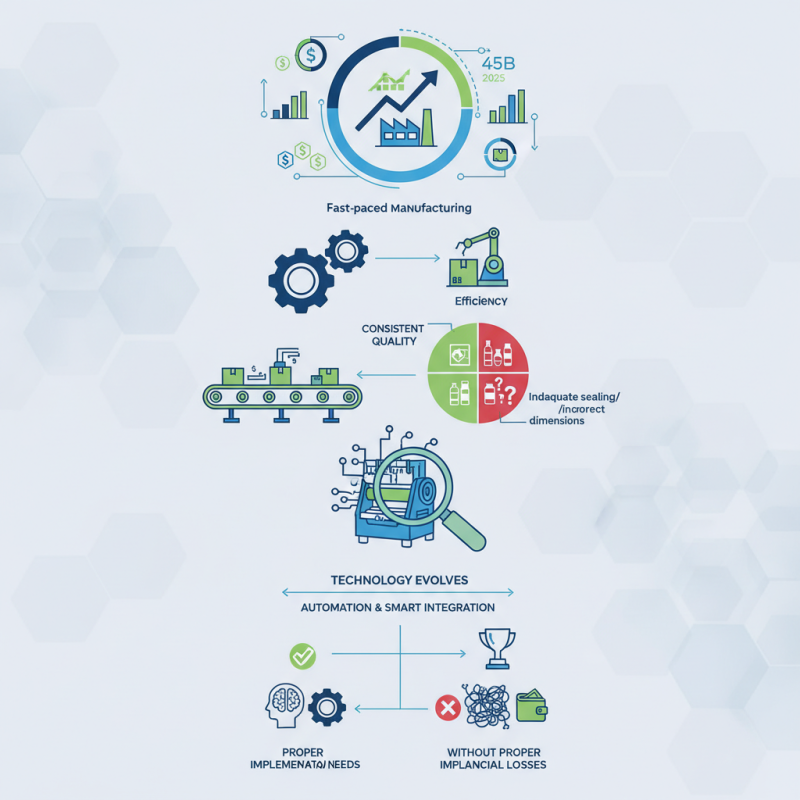
In today's fast-paced manufacturing landscape, the role of a Packing Machine is crucial. According to a recent report by MarketsandMarkets, the packing machine market is expected to reach $45 billion by 2025. This growth reflects the increasing demand for efficient packaging solutions. Industries are turning to advanced packing machines to optimize production and reduce labor costs.

Packing machines enhance operational efficiency and ensure consistent quality. They cater to various sectors from food and beverages to pharmaceuticals. However, not all machines perform equally well. Many packages fail due to inadequate sealing or incorrect dimensions. These imperfections can lead to significant financial losses. Therefore, selecting the right packing machine becomes critical.

As technology evolves, features like automation and smart integration in packing machines are becoming standard. However, businesses must also be cautious. Investing in the latest technology does not guarantee success without proper implementation. Continuous reflection on operational needs and machine performance is key to achieving desired outcomes.
Top 10 Packing Machines You Should Know About?

Overview of Packing Machines and Their Importance in Industry

Packing machines play a crucial role in various industries. Their primary function is to ensure products are efficiently packaged for distribution and sale. These machines vary in design and capability, catering to different products and packaging styles. They can handle solids, liquids, and even delicate items. This versatility makes them essential in manufacturing, food processing, and pharmaceuticals.

However, the importance of packing machines goes beyond mere efficiency. Proper packaging protects products from damage and contamination. It also helps in marketing by creating attractive displays. A well-packaged product can catch a consumer's eye and influence purchase decisions. Yet, many businesses overlook the need for regular maintenance. This neglect can lead to breakdowns and costly downtime.

In many cases, companies invest heavily in advanced machines without fully understanding their operational limits. Sometimes, simpler solutions might be more effective. The adaptability of packing machines means they can sometimes be misutilized, leading to inefficiency. Companies must continuously evaluate their packaging processes. This reflection will help identify areas for improvement and optimization.

Types of Packing Machines: A Breakdown of Different Categories

Packing machines play a crucial role in various industries. They ensure products are efficiently packaged for market distribution. Understanding the different types can help businesses choose the right technology for their needs.

There are several categories of packing machines. Flow wrapping machines are popular for packed snacks and confectionery. These machines wrap products tightly, minimizing air exposure. However, they may not suit all products due to their design limitations. Vertical form-fill-seal machines are another type. They fill and seal bags from a roll of material. While versatile, they have a learning curve for proper operation.

According to industry reports, the global packing machine market is projected to grow by over 4% annually. This growth reflects increased demand for automation. However, it raises concerns about machine reliability and maintenance. A machine breakdown could halt production, leading to significant losses. Choosing the wrong type of machine could also result in inefficient packaging, wasting materials and resources. Such considerations must be carefully evaluated by companies aiming for operational efficiency.

Key Features and Technologies in Modern Packing Machines

In today’s packaging industry, modern packing machines are vital. These machines use advanced technologies to enhance efficiency and reduce costs. According to a recent industry report, the global packaging machinery market is projected to reach $45 billion by 2026. This growth reflects the increasing demand for automation and efficiency.

Key features in today’s packing machines include automation, flexibility, and integration with other systems. Many packing machines now support multiple packaging styles, such as pouches, boxes, and trays. Automation minimizes human error and increases speed. Reports indicate that automated systems can improve productivity by up to 30%.

Tips: When choosing a packing machine, consider the type of product being packaged. Ensure the machine is adaptable to different sizes. Also, evaluate the software capabilities for data analysis.

Sustainable practices are a growing concern. Many contemporary machines offer eco-friendly options. However, some machines may struggle with adjusting to new materials. Keeping up with innovations is crucial for long-term success. Staying informed on trends can potentially lead to missed opportunities.

Top 10 Packing Machines You Should Know About

Machine Type Key Features Technologies Used Common Applications
Automatic Wrapper High-speed wrapping, adjustable tension PLC control, servo motors Food products, personal care items
Carton Sealer Adjustable height, taping options Robotic arm, optical sensors E-commerce packaging, shipping
Filling Machine Volume settings, easy cleaning Flow meters, touch screens Liquid products, powdered goods
Labeling Machine Customizable labels, high accuracy Laser technology, coding system Beverage bottles, jars
Vacuum Packing Machine Air removal, seal integrity Digital control panel, sensors Meat products, cheese
Shrink Wrap Machine Shrink temperature control, fast operation Infrared heaters, conveyor belts Consumer goods, electronics
Blister Packing Machine Multilayer options, quality control Thermoforming, automated feeding Pharmaceuticals, cosmetic products
Palletizer High-speed stacking, customizable patterns Robotics, vision systems Food and beverage, household products
Stretch Wrapper Load stability, adjustable wrap Turntable technology, pre-stretch film Heavy loads, industrial applications
Horizontal Flow Wrapper Flexible packaging, high efficiency Servo motors, customizable speed Snacks, bakery items

Top 10 Packing Machines: Criteria for Selection and Ranking

When selecting packing machines, certain criteria guide the ranking. Speed is crucial. Various reports highlight that faster machines enhance throughput. For example, a machine operating at 100 packages per minute can significantly outperform one at 60 packages per minute. Efficiency in operation boosts overall productivity.


Another aspect to consider is the versatility of the machines. Operators should look for machines adaptable to different materials and product sizes. This flexibility can ensure that a single machine meets diverse packaging needs. Industry insights reveal that versatile machines reduce the need for multiple systems. This cuts costs and saves floor space.


Finally, the ease of maintenance impacts machine longevity. A machine requiring frequent repairs may hinder production flow. Operators should seek models with lower downtimes. Industry standards indicate that machines with intuitive designs lead to less operator error. Unfortunately, many overlook maintenance ease when purchasing, which can lead to increased frustration and costs.

Future Trends in Packing Machine Technology and Innovation

The landscape of packing machine technology is constantly evolving. Recent data shows that by 2025, the packing industry is expected to grow significantly, with a projected market value of over $450 billion. Innovations are driving efficiency, reducing waste, and enhancing product protection. The move towards automation and smart technology in packing machines is a key trend in the industry.

Companies are adopting advanced sensors and AI capabilities. This allows for real-time monitoring of production lines. Such technology can lead to reduced downtime and improved accuracy. However, some businesses struggle to keep up with these innovations. Adapting to rapid changes can be challenging, especially for smaller firms. They might face difficulties in terms of finances and training.

Tips: Consider evaluating the current technology used in your packing operations. Are there opportunities for automation that can save time and money? Investing in predictive maintenance tools could mitigate risks of breakdowns. Staying informed about new technologies can provide a competitive edge in this growing market. Crafting a plan to integrate new innovations can help you keep pace.

Top 10 Packing Machines You Should Know About