Top Mechanical Parts Suppliers for 2026 What You Need to Know
In the evolving landscape of manufacturing, the role of mechanical parts suppliers is crucial. According to a recent report by Market Research Future, the global mechanical parts supply market is expected to reach USD 120 billion by 2026. This growth is driven by advancements in technology and automation. Industry experts highlight the increasing demand for high-quality components that enhance efficiency.
David Chen, a noted expert in mechanical engineering, stated, "The future of mechanical parts suppliers lies in innovation and adaptability." This sentiment rings true as companies strive to remain competitive. Suppliers must focus on improving their offerings to meet evolving market needs.
However, challenges persist. Many suppliers struggle with supply chain disruptions and fluctuating material costs. Additionally, maintaining product quality remains a significant hurdle. It's essential for mechanical parts suppliers to reflect on these challenges and adapt their strategies accordingly to thrive in the years ahead.
The Growing Demand for Mechanical Parts in 2026
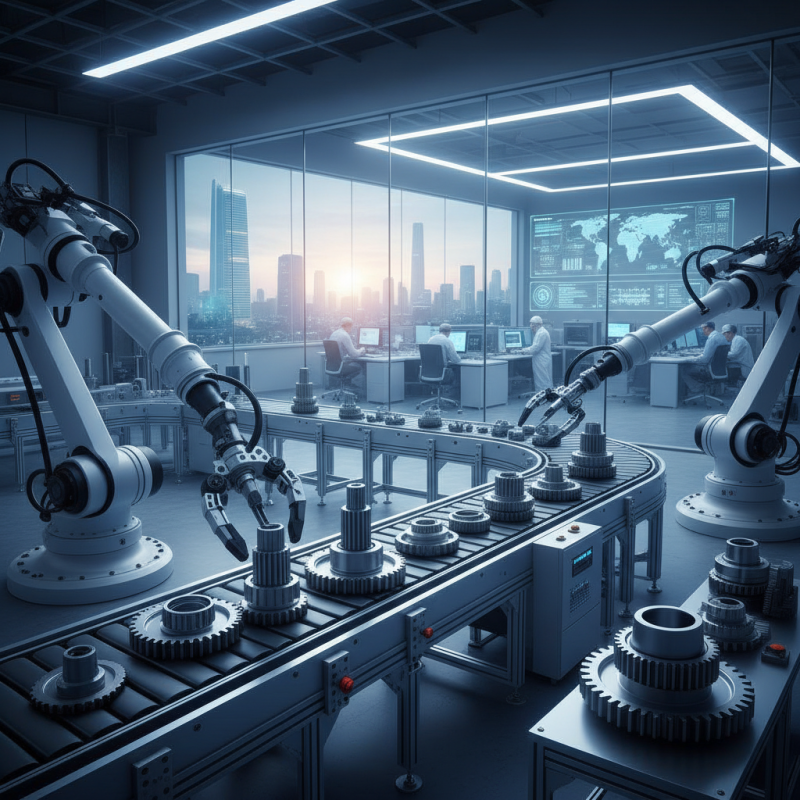
The demand for mechanical parts is set to rise significantly in 2026. Industries are gearing up for more robust production lines. Mechanisms in automation and robotics are becoming essential. This shift reflects the rapid evolution in manufacturing. Increased efficiency demands higher-quality components.
Many sectors, including automotive and aerospace, are driving this growth. Companies focus on enhancing product longevity and performance. The push for sustainability also influences choices. Buyers seek eco-friendly materials. However, challenges remain in sourcing quality parts. The market may face supply chain disruptions. Companies must adapt quickly to new demands.
Investing in technology is crucial for suppliers. They need to streamline operations and improve quality control. Yet, this can be difficult and costly. Some suppliers may struggle to keep pace. Understanding customer needs requires ongoing communication. Reflecting on these challenges is vital for sustained growth in 2026.
Top Mechanical Parts Suppliers for 2026
| Supplier Category | Annual Revenue (Estimated) | Growth Rate (%) | Key Markets | Specialties |
| Supplier A | $500 million | 8% | Automotive, Aerospace | Precision Components |
| Supplier B | $750 million | 10% | Industrial, Energy | Heavy Machinery Parts |
| Supplier C | $300 million | 5% | Medical Equipment | Custom Manufactured Parts |
| Supplier D | $450 million | 7% | Electronics, Aerospace | Electronic Components |
| Supplier E | $600 million | 12% | Construction, Mining | Heavy Duty Parts |
Key Players in the Mechanical Parts Supply Chain
In the mechanical parts supply chain, collaboration is key. Manufacturers depend on reliable suppliers for consistent quality and timely delivery. Selecting the right components can streamline production and enhance performance. Yet, businesses often face challenges in sourcing. Variability in quality and pricing can lead to unexpected delays.
Many suppliers operate in niche markets, specializing in specific components. This focus can lead to increased expertise and innovation. However, it can also limit choices for manufacturers. The balance between specialization and variety can be tricky. Companies must weigh these factors carefully.
Transparency is crucial for building trust within the supply chain. Suppliers should maintain open lines of communication. This practice helps identify potential issues early. However, not all suppliers prioritize transparency. Companies need to evaluate suppliers thoroughly. The goal is to ensure that their processes align with business needs. A strong partnership can foster resilience against market fluctuations.
Top Mechanical Parts Suppliers for 2026: Market Share Overview
Innovative Technologies Shaping the Mechanical Parts Industry
In the world of mechanical parts, innovation is key. New technologies are changing the landscape. For instance, 3D printing is gaining traction. This method allows for rapid prototyping. It enables engineers to create parts within hours. Traditional methods often take days or weeks. However, 3D printing isn't flawless. Material limitations remain a concern. Certain compounds are not suitable for high-stress applications. This pushes the industry to seek better materials.
Automation is another game-changer. Robotics are enhancing efficiency on assembly lines. Machines can work tirelessly, reducing human error. However, over-reliance on automation raises questions. Will skilled laborers become obsolete? Balancing technology and human skills is vital. The challenge lies in integrating automation with human expertise.
Furthermore, IoT integration is transforming maintenance. Smart sensors monitor equipment health in real time. Predictive maintenance can prevent costly downtime. Yet, the reliance on data brings risks as well. Cybersecurity threats can disrupt operations. Companies need robust security measures. As they explore these technologies, reflection and adjustment will be crucial. The journey toward innovation is exciting but complex.
Market Trends Impacting Mechanical Parts Suppliers
As we look toward 2026, several market trends are reshaping the landscape for mechanical parts suppliers. The demand for sustainable materials is on the rise. More companies are seeking eco-friendly solutions. This shift impacts sourcing and production processes. Suppliers must adapt quickly or risk falling behind.
Technological advancements play a crucial role. Automation and AI are transforming manufacturing. These innovations increase efficiency and lower costs. However, not all suppliers have incorporated these technologies. Some still rely on traditional methods. This disparity could widen the gap between industry leaders and laggards.
Customer expectations are evolving, too. Buyers now demand customization and faster turnaround times. This trend complicates supply chain logistics. Many suppliers struggle to meet these expectations on time. Adjustments are necessary for competitiveness. Addressing these changing dynamics is vital for success in 2026.
Quality Standards and Certifications for Mechanical Components
In 2026, quality standards for mechanical components will be crucial. Certifications can significantly impact supplier choices. Industry reports suggest that only 30% of suppliers meet all international standards. This raises questions about reliability and performance.
ISO 9001 is a key certification. It ensures consistent quality and customer satisfaction. However, many suppliers struggle with compliance. A recent analysis showed that nearly 25% of mechanical parts fail to pass quality tests. This highlights the importance of rigorous evaluations.
Furthermore, new regulations are emerging. For instance, environmental standards will reshape production methods. Companies must adapt or risk losing business. Reliable suppliers will need to prioritize sustainability. Continuous monitoring and improvement will become vital. The landscape is changing rapidly, but the challenge remains: how to ensure quality amidst these dynamics?