Top Single Front Doors Styles for Modern Homes Guide?
In the world of modern home design, the importance of single front doors cannot be underestimated. Renowned architect Jane Doe once said, “A front door is more than an entry; it's the soul of a home.” Today, we explore various styles of single front doors that enhance aesthetics and functionality.
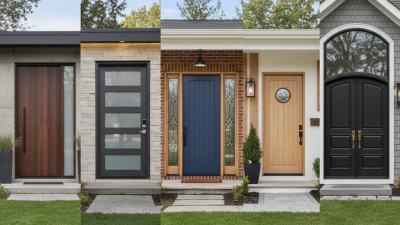
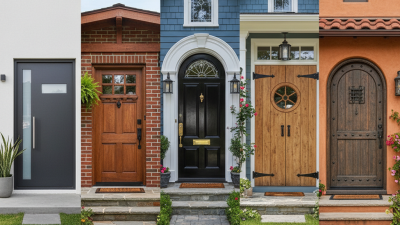
Single front doors come in a variety of designs, each offering unique advantages. From sleek contemporary panels to rustic wooden finishes, choices abound. The door you select can influence not only your home's exterior but also its interior ambiance. Consider how a bold color can make a statement or how glass inserts can invite light.
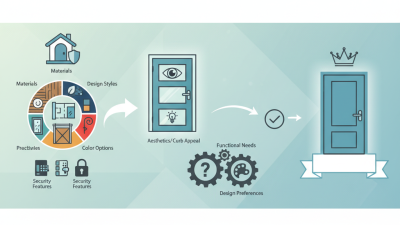
However, choosing the right single front door can feel overwhelming. Many homeowners struggle to balance style with security. It’s easy to get lost in options without considering what truly fits your home’s character. Reflect on your needs and desires before making a decision. A door should complement your lifestyle while also speaking to who you are.
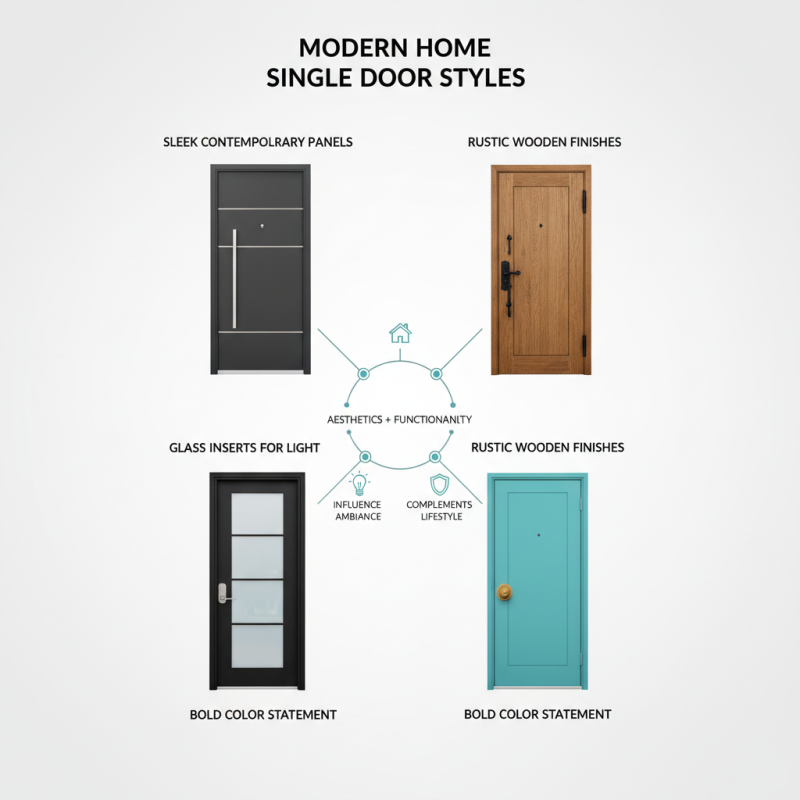
Top Single Front Door Styles for Modern Homes
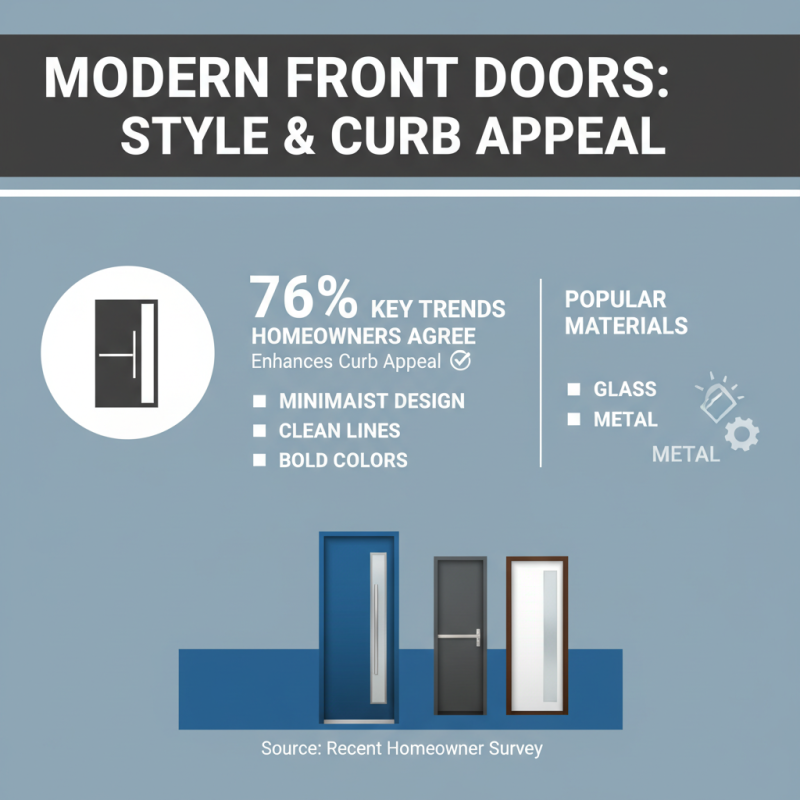
When considering front doors for modern homes, style matters greatly. A recent survey revealed that 76% of homeowners believe a well-designed door enhances curb appeal. Minimalist designs are increasingly popular, featuring clean lines and bold colors. These doors often incorporate materials such as glass and metal, adding sophistication.
Another emerging trend is the use of sustainable materials. Reports show that 58% of buyers prefer eco-friendly options. This reflects a growing awareness of environmental impact. However, not all homeowners are aware of the various sustainable options available. Educating oneself on these materials can be challenging but rewarding.
Personalization is key. Many modern homeowners want a door that reflects their personality. Customizable features, like patterns or colors, cater to diverse tastes. However, the variety can be overwhelming. Some may struggle to choose a perfect combination that balances aesthetics and functionality. It's essential to take time for thoughtful consideration in this decision-making process.
Key Materials Used in Modern Front Doors
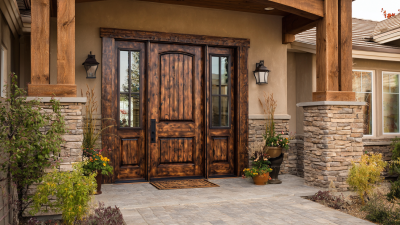
Modern front doors are crafted from a variety of materials, each offering unique advantages. Wood is a popular choice for its classic appeal. Mahogany and oak stand out, showcasing natural grain patterns. However, wood can warp or fade over time. Regular maintenance is essential to keep them looking their best.
Fiberglass has gained traction in recent years. It mimics the look of wood without the upkeep. This material is durable and energy-efficient. It resists dents and scratches, making it ideal for busy households. But some might find it lacks the warmth of real wood.
Steel doors provide security and strength. They are often used in modern designs for their sleek profiles. Paint and finish options can complement any home style. Yet, they can also be prone to rust if not adequately protected. Choosing the right material requires careful consideration of aesthetics and longevity.
Color and Finish Options for Contemporary Front Doors
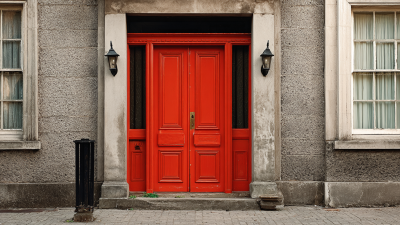
When choosing colors and finishes for contemporary front doors, several factors influence decisions. A survey by the National Association of Realtors reveals that 76% of buyers prefer homes with modern curb appeal. The color of the front door plays a crucial role in this appeal. Bold colors like deep blues and vibrant reds can make a striking statement. In contrast, neutral tones like grays and whites often convey elegance and simplicity.
Finish options also significantly impact durability and aesthetics. According to industry reports, doors with polyurethane finishes are more resistant to weather changes. However, many homeowners still opt for paint, which allows for easy updates. Matte finishes are trending for those who desire a modern touch. Glossy finishes add a classic appeal but may require more frequent maintenance due to their visibility.
Selecting the right color and finish needs careful thought. It reflects personal taste and can significantly affect property value. A unifying palette with the home’s exterior ensures cohesiveness. Yet, it’s essential to balance personal preferences with market trends, as what feels right to one may not resonate with many.
Top Single Front Doors Styles for Modern Homes Guide
| Door Style |
Material |
Color Options |
Finish Type |
| Modern Flush |
Fiberglass |
White, Black, Gray |
Matte |
| Glass Panel |
Wood |
Natural, Espresso, Charcoal |
Satin |
| Industrial Style |
Steel |
Black, Gunmetal, Bronze |
Textured |
| Multi-panel |
Composite |
Olive Green, Blue, Burgundy |
Glossy |
| Pivot Door |
Hinge-free Glass |
Clear, Frosted |
Clear Coat |
Design Elements That Enhance Modern Front Doors
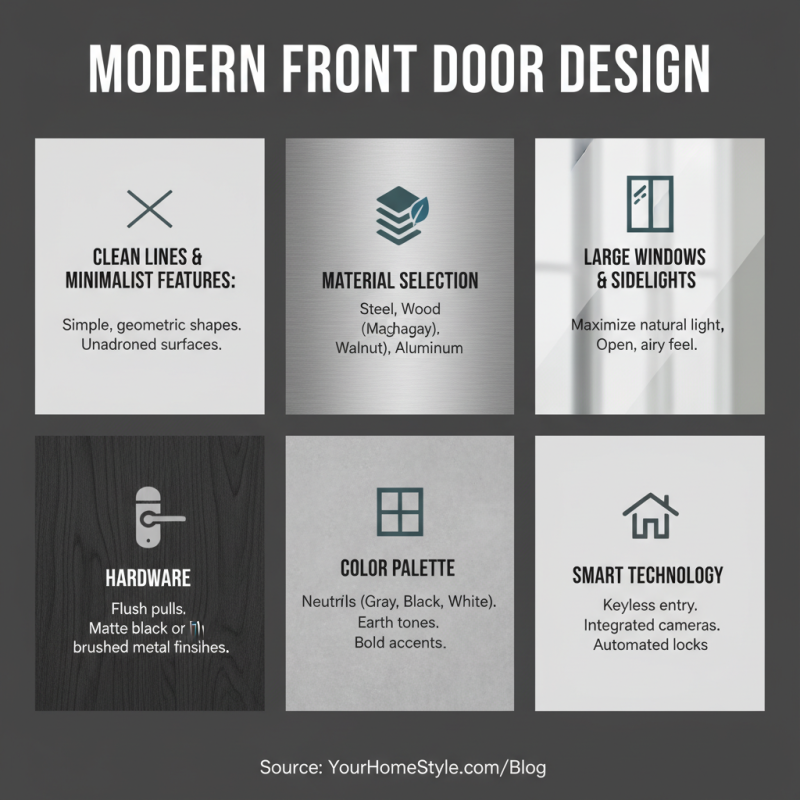
When choosing a modern front door, various design elements play a crucial role. Clean lines and minimalistic features often dominate modern aesthetics. The use of materials like glass, steel, and wood can elevate the overall look. Large windows or sidelights can flood entryways with natural light. This creates an inviting atmosphere right from the start.
Color choices matter, too. Bold shades can make a strong statement, while muted tones offer sophistication. Artful hardware like unique handles or smart locks can enhance functionality and style. Some opt for textured finishes to add depth. However, balancing aesthetics with practicality is not always straightforward.
Reflecting on functionality is essential. A door should be secure yet still appealing. It's easy to focus solely on looks, but neglecting insulation could lead to higher energy bills. Each element should serve a purpose, contributing to both beauty and performance. Finding that balance can be a challenge, yet it is worth pursuing for a truly modern entryway.
Energy Efficiency Features in Modern Front Door Designs
When selecting a front door for a modern home, energy efficiency should be a primary concern. According to the U.S. Department of Energy, doors contribute to about 10% of a home’s overall energy loss. This makes it vital to choose doors that feature energy-efficient designs. Options such as insulated doors or those made of materials with low thermal conductivity can significantly reduce heating and cooling costs.
A well-designed front door can also enhance a home’s aesthetic appeal. Consider doors with triple glazing, which can reduce heat transfer by up to 70%. Additionally, look for Energy Star-rated doors, which often indicate superior efficiency. While these options may come with a higher upfront cost, the long-term savings in energy bills can make them worthwhile.
Tips: Always check the door's R-value—this measures insulation effectiveness. A higher R-value means better energy efficiency. You may also explore materials like fiberglass or steel, which often outperform traditional wood in insulation. Investing in a modern door not only boosts curb appeal but also enhances home performance.
Top Single Front Door Styles - Energy Efficiency Features