Top 10 Benefits of Casting Components for Global Buyers?
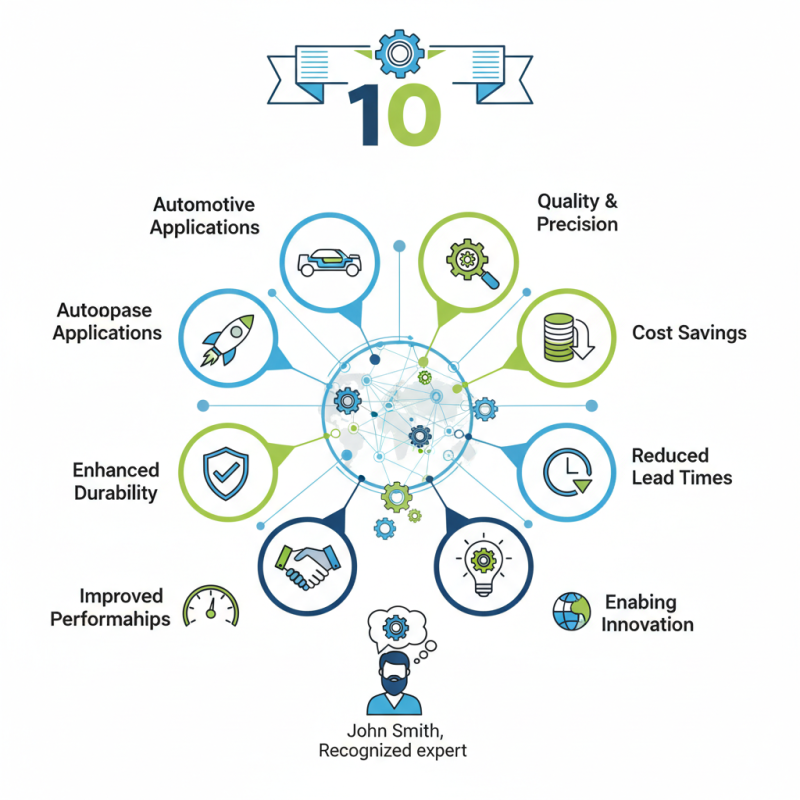
In the dynamic world of manufacturing, "Casting Components" play a crucial role in supply chains globally. John Smith, a recognized expert in the casting industry, emphasizes this importance by saying, “Casting components are the backbone of many industries, enabling innovation and efficiency.” This statement highlights how critical these components are for modern production.
The benefits of casting components extend beyond mere functionality. They offer diverse applications, from automotive to aerospace, enhancing durability and performance. Buyers are increasingly prioritizing quality and precision. However, the casting process can seem daunting, leading to misconceptions about its reliability. Embracing these components requires consideration of potential challenges, yet the rewards often outweigh the risks.
Quality casting components can lead to significant cost savings and reduced lead times. As more global buyers seek reliable solutions, understanding the advantages becomes vital. The journey involves not just sourcing, but also forging partnerships based on trust and expertise.
Understanding Casting Components and Their Global Appeal
Casting components play a pivotal role in the global manufacturing sector. These components, made by pouring molten metal into molds, cater to various industries. According to a report by Grand View Research, the global casting market is expected to reach $235.11 billion by 2025. This significant growth showcases the rising demand for efficiency and durability in components across different sectors.
The appeal of casting components lies in their versatility. They can be produced in various shapes and sizes, meeting specific design needs. Industries such as automotive, aerospace, and electronics rely heavily on these parts for their functionality. However, there are concerns about the environmental impact of casting processes. Many manufacturers are exploring sustainable practices to reduce carbon footprints and improve material recycling.
Quality assurance is crucial in this field. A study by Research and Markets indicates that improving the accuracy of casting can enhance product performance by 35%. This shows the importance of investing in better technologies and skilled labor. With ongoing advancements, the industry faces the challenge of balancing efficiency with sustainability. Addressing these issues is essential for maintaining global competitiveness.
Cost-Effectiveness of Casting Components for Buyers Worldwide
Casting components offer numerous advantages for global buyers, particularly regarding cost-effectiveness. The casting process allows manufacturers to create complex shapes with less waste. This efficiency translates to reduced production costs, benefiting buyers seeking affordable solutions.
Buyers enjoy high-quality components with excellent dimensional tolerance. Casting provides a reliable way to obtain durable parts, reducing the need for frequent replacements. This longevity leads to lower total ownership costs, making it a smart choice for businesses.
Tip: Evaluate multiple suppliers to find competitive pricing. Quality should not be compromised for cost. Always request samples to ensure the casting meets your specifications.
By exploring different casting techniques, you can find methods that suit your budget. For example, sand casting and investment casting vary in cost and quality. Assess your needs carefully to choose the suitable method that balances cost and performance.
Tip: Communicate openly with suppliers. Discuss your project's specific requirements. Transparency can lead to better pricing and quality solutions tailored to your needs.
Diverse Material Options in Casting Components for Various Industries
When exploring casting components, the variety of material options is impressive. Manufacturers cater to diverse industries with unique requirements. Commonly used materials include aluminum, iron, steel, and various alloys. Each material brings specific benefits, like lightweight properties or high strength.
Aluminum casting is popular in automotive applications. Its low density helps improve fuel efficiency. On the other hand, cast iron is revered for its durability. It is extensively used in heavy machinery and engine components. Still, each material has its drawbacks. For instance, while aluminum is lightweight, it may not provide the same strength as steel in some applications.
The choice of material can greatly impact production costs and performance. Some materials are more expensive to source or process, which could lead to budgetary concerns. Additionally, the environmental impact of material sourcing should not be overlooked. Different industries must weigh these factors carefully to determine the best fit for their needs.
Top 10 Benefits of Casting Components for Global Buyers
| Benefit | Description | Industries Applicable | Material Options |
| Cost-effectiveness | Casting components often require less material compared to other manufacturing processes, leading to lower production costs. | Automotive, Aerospace | Aluminum, Zinc |
| Design Flexibility | Complex shapes can be easily cast, enabling innovative designs that enhance functionality. | Construction, Electronics | Cast Iron, Plastic |
| Durability | Casting materials like metals offer superior durability and wear resistance. | Energy, Heavy Machinery | Steel, Bronze |
| Material Variety | A wide range of materials can be used in casting, catering to different performance requirements. | Aerospace, Defense | Aluminum, Magnesium |
| Less Waste | Casting processes generate minimal waste, promoting a more sustainable manufacturing practice. | Automotive, Marine | Iron, Copper |
| Tighter Tolerances | Precision in casting leads to tighter tolerances compared to other manufacturing techniques. | Electronics, Medical Devices | Aluminum, Stainless Steel |
| High Production Rates | Casting processes can achieve high production rates, reducing lead times for large quantities. | Construction, Industrial Equipment | Steel, Aluminum |
| Enhanced Performance | Casting can enhance the functional performance of components, especially under stress. | Energy, Transportation | Titanium, Nickel-based Alloys |
| Shorter Assembly Time | Fewer individual parts lead to reduced assembly time and costs. | Automotive, Aerospace | Aluminum, Zinc Alloys |
Enhanced Durability and Performance of Casting Components
Casting components offer remarkable durability and performance, making them ideal for various industries. When manufactured properly, these components can withstand harsh conditions, reducing the need for frequent replacements. This longevity means less downtime and lower overall costs. Industrial machinery, automotive parts, and even consumer goods benefit significantly from quality castings.
One key aspect is material selection. Using metals with high tensile strength enhances performance. For instance, ductile iron is known for its excellent shock resistance. Choosing the right alloy can improve overall component durability. Skilled engineers should consider these factors during the design phase.
Tips: Regular maintenance can prevent unexpected failures. Inspect components periodically to address any wear and tear. Ensure proper lubrication for moving parts. These simple steps can extend the lifespan of casting components.
Choosing casting as a manufacturing process also allows for intricate design possibilities. However, complexities in design may lead to unexpected challenges. It’s crucial to balance aesthetics and functionality. Engaging experienced professionals can help navigate this delicate process.
Streamlined Supply Chains Through Global Sourcing of Casting Parts
Global sourcing of casting parts leads to streamlined supply chains, enhancing efficiency and reducing costs. According to the 2022 Global Manufacturing Trends report, companies report a 25% reduction in lead times when sourcing casting components internationally. This advantage allows firms to respond swiftly to market demands, giving them a competitive edge.
The growing globalization of the casting industry also enables buyers to access diverse material options and innovative designs. A survey by the International Casting Association revealed that 70% of manufacturers believe global sourcing fosters innovation. However, navigating complex international regulations can present challenges. Quality control becomes crucial, and missteps can disrupt the supply chain.
Dependence on global suppliers can pose risks. A sudden geopolitical event or natural disaster may impact shipments. Companies must diversify their sourcing strategies to mitigate these vulnerabilities. Balancing cost savings with reliable supply chains is essential for maintaining production schedules.
Top 10 Benefits of Casting Components for Global Buyers