Top 10 Tips for Choosing the Right Residential Front Doors?
Choosing the perfect residential front doors is crucial for any home. According to John Smith, a renowned expert in residential design, "The right front door can transform your home’s first impression." This quote emphasizes the importance of blending aesthetics with functionality in your selection process.
Front doors are more than just entryways; they reflect your style and impact your home's security. Eye-catching designs can enhance curb appeal. However, poor choices can lead to regrets. Many homeowners overlook essential features like material durability and insulation.
Consider this: a door that looks good may not withstand the elements. Functionality often gets sacrificed for appearance. You might want to rethink your choices as you explore options. After all, residential front doors should be both inviting and practical.
Understanding the Importance of Residential Front Doors
Understanding the importance of residential front doors is crucial for any homeowner. They are not just functional; they set the tone for a house. An appealing front door enhances curb appeal. According to a report from the National Association of Realtors, a new front door can add up to $24,000 to your home's value. This statistic highlights their financial significance.
Security is another key aspect. An estimated 30% of home break-ins occur through the front door. Choosing a sturdy, well-constructed door can make a difference. Look for doors made from solid materials like fiberglass or steel. They offer both durability and insulation, keeping energy costs down. In fact, energy-efficient doors can reduce energy bills by 10-15%.
Aesthetics play an essential role in choice. Your front door should match your home's architectural style. A mismatched door can look out of place. It's easy to overlook this aspect when shopping around. Color and design significantly impact first impressions. A beautifully designed door can attract potential buyers, while a dull one can repel them. Balancing style and function is often challenging but vital.
Identifying Your Style Preferences for Front Doors
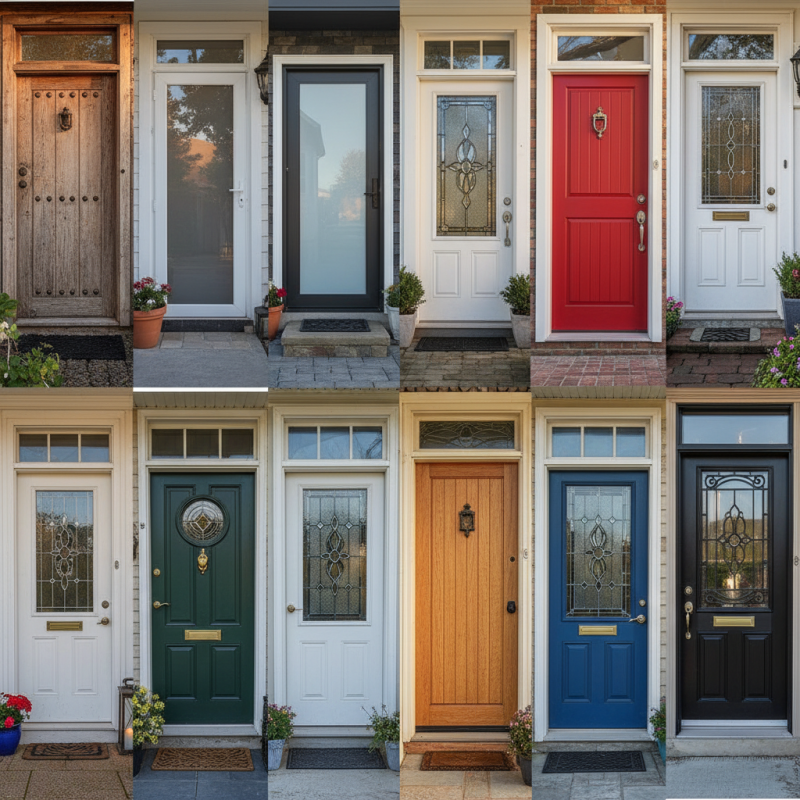
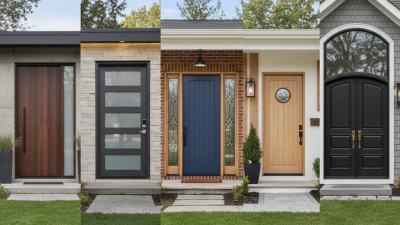
When selecting the perfect front door, style preferences play a crucial role. Think about the architectural style of your home. Is it modern, traditional, or rustic? A sleek, minimalist door may suit contemporary homes, while a classic paneled door complements traditional designs. Consider the color, too. Dark tones can convey elegance, while bright hues invite warmth.
Texture matters as well. Smooth finishes can create a polished look, while wood grain adds character and warmth. Glass inserts might enhance natural light, but they can also raise privacy concerns. Reflect on these aspects carefully. Sometimes, the doors that look best might not feel right for your lifestyle.
Don't overlook functionality. A beautiful door that doesn't insulate well will lead to regrets in colder weather. Consider durability and maintenance requirements, as well. A door should withstand the elements while reflecting your personal taste. Explore your options thoroughly, and don't shy away from experimenting. Your front door is a focal point; it should tell a story and welcome guests with style.
Evaluating Material Options for Durability and Aesthetics
When choosing a residential front door, the material can greatly impact both durability and aesthetics. Many homeowners often overlook how various materials affect the overall feel of their home. Wood doors provide a classic elegance. They can be beautifully designed with intricate details. However, wood requires regular maintenance to prevent warping and decay. This can be a significant commitment for some.
On the other hand, fiberglass doors offer excellent resilience against the elements. They can mimic the look of wood while being less prone to damage. This might seem like a great option at first. However, not all fiberglass doors are created equal, and some may fade or scratch over time. Metal doors, such as steel, boast superior strength. They provide high security but may lack the warmth found in wood or fiberglass.
Ultimately, the material you choose should balance your aesthetic preferences with practical needs. Consider the climate you live in and how much upkeep you are willing to commit to. Each choice has its pros and cons, and reflection on your lifestyle is essential. Careful evaluation can lead you to the right decision, ensuring your front door enhances your home’s charm and security.
Comparative Analysis of Front Door Materials
Consideration of Security Features in Front Door Selection
When selecting a residential front door, security features are crucial. A strong door can deter break-ins and protect your home. Recent industry data shows that up to 34% of burglars enter through the front door. This makes it a primary target. Choosing a solid core door significantly enhances security. Options with steel or fiberglass can withstand a considerable amount of force.
Additionally, consider the lock type. Deadbolts are excellent for enhancing security. A door with a high-quality deadbolt can reduce the likelihood of unauthorized entry by approximately 80%. Furthermore, installing a door viewer or peephole offers an added layer of security. This device helps assess who is outside without opening the door.
It’s worth noting that many homeowners often overlook the significance of door materials. Wooden doors, while aesthetically pleasing, can be vulnerable to damage. Composite doors are more resistant to wear and tear, and they don’t warp over time. Reflecting on these aspects may reveal that security features might have been inadequately prioritized in some choices.
Assessing Energy Efficiency and Insulation Properties of Doors
When selecting residential front doors, energy efficiency is crucial. A well-insulated door can significantly reduce energy bills. Look for doors with a high R-value, which indicates better insulation. These doors help maintain indoor temperatures, making your home comfortable year-round.
Consider materials that enhance energy efficiency, such as fiberglass or steel. These materials often outperform traditional wood doors. Yet, don’t forget the impact of proper sealing. Even the best door can fail if gaps exist. An energy-efficient door must fit well in its frame.
Sometimes, the focus on aesthetics overshadows insulation properties. Beautiful doors might not perform well in terms of energy efficiency. It’s essential to strike a balance between style and function. Remember that investing in a good door is an investment in your home’s future.