
Doors &
Windows

What Is PDLC Window Film and How Does It Work?

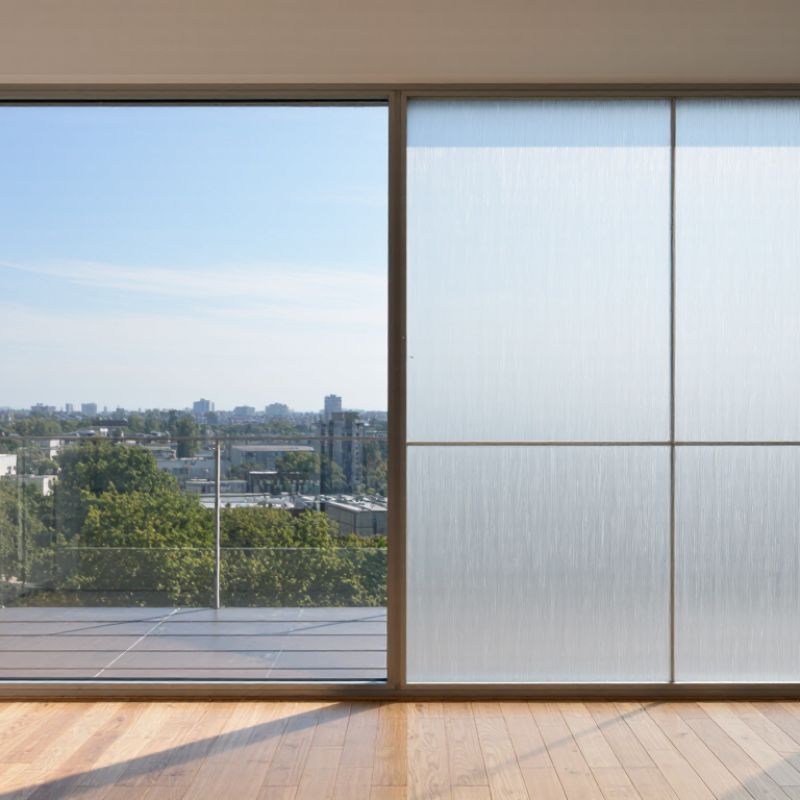
Pdlc Window Film is a switchable privacy technology that changes between transparent and opaque states. It uses liquid crystal molecules placed between conductive layers and protective film. When electrical power flows through the film, the crystals align and allow light to pass. When the power stops, the crystals scatter light and create a frosted appearance. In practice, the change happens within seconds. It feels almost like a window becoming a movable wall.

This technology supports privacy in offices, bathrooms, meeting rooms, clinics, hotels, and modern homes. It can reduce the need for curtains or blinds while preserving daylight. However, Pdlc Window Film is not the same as blackout glass. Bright shapes, shadows, or strong sunlight may remain visible in its opaque state. That detail matters during product selection. The film also needs suitable wiring, a compatible glass surface, and professional installation for reliable performance. Dust, uneven glass, or poor electrical connections can affect the final result.

The simple explanation is useful, but incomplete. Real performance depends on film quality, glass size, indoor lighting, viewing distance, and daily switching frequency. Installers should confirm voltage requirements and control options before installation. Some projects need wall switches, remote controls, timers, or smart-home integration. Maintenance is usually limited to gentle cleaning with a soft cloth and approved solutions. Still, expectations should remain realistic. PDLC technology offers convenient privacy, not perfect visual isolation or guaranteed energy savings. This guide explains how the film works, where it performs well, and what buyers should examine before choosing it.
What Is PDLC Window Film and How Does It Work?

Definition and Basic Structure of PDLC Window Film

PDLC window film is a laminated privacy layer that changes between clear and opaque. Its basic structure is simple but carefully engineered. A typical film contains microscopic liquid-crystal droplets inside a polymer matrix, positioned between two transparent conductive layers. Protective PET sheets or glass then shield the active layer from moisture and physical damage.

When alternating electrical power reaches the conductive layers, the liquid crystals align and allow light to pass through. The window becomes clear. When the power is removed, the crystals scatter light in different directions, creating a milky privacy effect. It is not a blackout system. Published technical datasheets commonly report about 80% visible-light transmission in the clear state, while opaque transmission often falls below 10%, depending on thickness and construction.

The film changes quickly, often within milliseconds, but performance depends on temperature, wiring, and glass quality. A 2023 MarketsandMarkets report estimated the global smart-glass market at roughly USD 7.3 billion, with continued growth driven by privacy, energy management, and interior design applications. That figure includes several technologies, not PDLC alone. This distinction matters. Industry reporting can make the category appear more uniform than it really is.

PDLC also needs continuous power to remain clear, unlike some passive privacy materials. That detail is easy to overlook. In practical installations, installers must check edge sealing, transformer capacity, and control compatibility. The surface may look seamless, yet small bubbles or uneven haze can appear when preparation is poor. Performance is impressive, but not perfectly forgiving.

How PDLC Film Changes Between Clear and Opaque States

PDLC window film changes between clear and opaque states by controlling liquid-crystal alignment. In its clear state, an electrical current aligns the crystals, allowing light to pass through. When power stops, the crystals scatter light and create a milky, privacy-focused surface. The film does not create total darkness. Shapes and strong shadows may remain visible.

Switching usually takes less than a few seconds, although temperature, film size, and electrical design affect performance. Published technical data commonly places visible light transmission near 80% in the clear state and around 5% in the opaque state. Actual results vary. According to Grand View Research’s Smart Glass Market report, the global market was valued at approximately USD 5.8 billion in 2023. The report also expects strong growth through 2030. This reflects rising demand for controllable privacy and daylight management. The International Energy Agency reports that buildings consume about 30% of global final energy. PDLC film may reduce dependence on blinds, but it is not a complete energy-saving solution.

Tips: Test a sample beside the actual window first. Check glare, viewing distance, wiring access, and daylight direction. Remember that opaque mode needs power-saving controls in many installations. Large panels can reveal uneven switching, especially at the edges. That detail is easy to miss. My practical concern is simple: privacy performance depends on installation quality as much as film technology. Clean glass, stable voltage, and sealed edges matter.

What Is PDLC Window Film and How Does It Work?

PDLC film changes between clear and opaque states by applying an electrical voltage. When the power is off, liquid crystal droplets scatter light, creating a privacy screen with low visible light transmission and high haze. When the power is on, the crystals align so more light passes through and the film becomes transparent. The values shown are representative optical ranges; actual performance varies by film construction and installation.

Key Components Inside a PDLC Window Film System

What Is PDLC Window Film and How Does It Work?

Key Components Inside a PDLC Window Film System

PDLC window film turns ordinary glass from clear to private with an electrical signal. Its main parts include liquid crystals, transparent electrodes, polymer layers, adhesive, wiring, and a control unit. The crystals sit between conductive films. Without power, they scatter light and create a frosted appearance. With power, they align and allow light to pass through. The change feels almost instant. However, larger panels may respond less evenly. During installation, edge wiring often matters more than expected. A poorly sealed corner can collect moisture or dust.

The control unit supplies regulated power to the electrodes. A wall switch, remote controller, or automation sensor can operate the film. The adhesive layer connects the film to clean glass and helps maintain a smooth surface. Installers should inspect voltage requirements, glass size, cable routes, and surface cleanliness before fitting. Small dust particles can become visible beneath the film. No system is flawless. Regular testing can reveal weak connections or uneven switching early.

Tips: Test a small sample before full installation. Check the view from different angles and lighting conditions. Keep wiring away from sharp edges. Ask a qualified installer to confirm electrical safety and suitable glass preparation. Reflect on privacy needs, too. Frosted glass may still show shadows in strong backlight.

How Electrical Control Operates the Film Step by Step

What Is PDLC Window Film and How Does It Work?

How Electrical Control Operates the Film Step by Step

PDLC film contains microscopic liquid-crystal droplets inside a polymer layer. With no voltage, the crystals remain randomly arranged. Incoming light scatters, creating a milky privacy effect. Power changes the structure. An alternating electrical field aligns the crystals, allowing light to pass more directly. The transition often happens within a fraction of a second, although temperature, film size, and controller quality can affect timing.

The process begins at the controller, which sends low-voltage alternating current through transparent conductive coatings. These coatings spread electricity across the film’s surface. The controller then regulates the output, rather than sending uncontrolled power continuously. A transformer or dedicated driver commonly converts building electricity into the film’s required operating voltage. This step matters. Poor voltage matching can cause flicker, uneven clarity, or premature aging.

PDLC film is usually privacy glass, not a complete shading system. It scatters visible light but may still transmit heat and some glare. The U.S. Department of Energy reports that windows can account for roughly 25%–30% of residential heating and cooling energy use, but this figure does not apply specifically to PDLC products. Market research reports also show strong double-digit growth for smart-glass technologies through 2030. Those forecasts indicate rising interest, not guaranteed project savings. Real performance depends on glazing, installation, climate, control schedules, and user behavior. Testing these variables on site remains necessary.

Common Applications and Practical Benefits of PDLC Film

What Is PDLC Window Film and How Does It Work?

PDLC window film changes between clear and private when an electrical current reaches its liquid crystal layer. With power on, the crystals align and allow light to pass through. When power is off, the crystals scatter light and create a frosted appearance. The switch can happen within seconds.

Common Applications and Practical Benefits of PDLC Film

PDLC film works well in meeting rooms, where clear glass supports daylight and privacy film protects confidential discussions. At home, it can cover bathroom windows, bedroom glass, or doors facing a busy street. Retail stores may use it for changing rooms, display areas, and glass partitions. Clinics and offices can create private consultation spaces without installing heavy curtains or permanent walls.

The main practical benefit is flexible privacy without blocking natural light. It also gives interiors a cleaner appearance and reduces the need for blinds. Some systems connect with wall switches, remote controls, or building automation. However, film performance depends heavily on accurate installation and suitable glass. Dust, uneven surfaces, or exposed edges can affect its appearance and lifespan. Electricity use is usually modest, but the film still needs power to remain clear. Privacy is not always complete in bright backlighting. A shadow may remain visible. This detail is easy to overlook during planning. Careful testing at different times of day can prevent disappointing results.

What Is PDLC Window Film and How Does It Work? – Common Applications and Practical Benefits of PDLC Film
Data Dimension Typical PDLC Film Characteristic How It Works or What It Means Common Practical Benefit
Core Technology Polymer-dispersed liquid crystal film Liquid-crystal droplets are dispersed in a polymer layer and respond to an applied electrical field. Provides switchable visual privacy without installing conventional blinds or curtains.
Transparent State Clear or translucent appearance when powered The electrical field aligns the liquid-crystal molecules, allowing more light to pass through the film. Maintains visibility, daylight, and an open appearance when privacy is not required.
Privacy State Frosted or opaque appearance when unpowered Without the electrical field, the liquid crystals scatter incoming light and reduce direct visibility. Conceals people, equipment, documents, and activities behind the glass.
Switching Speed Usually less than one second for switching; exact speed varies by construction and temperature The film changes state when the control system applies or removes voltage. Allows rapid privacy control for meeting rooms, clinics, bathrooms, display areas, and residential spaces.
Electrical Operation Low-voltage AC operation; commonly supplied through a dedicated transformer or controller The controller converts building power to the voltage required by the film. Supports wall switches, remote controls, timers, sensors, and building-automation systems.
Energy Use Power is primarily consumed while the film remains in the transparent state; product ratings commonly fall within a low single-digit to low-teens watts per square metre In many installations, the privacy state is the default power-off condition. Can reduce continuous electrical demand compared with technologies that require powered operation in both states.
Visible Light Transmission Typically higher in the clear state and lower in the privacy state; exact values depend on the film and glass assembly The aligned state transmits more light, while the scattered state diffuses light. Balances daylight access with visual separation.
Ultraviolet Protection Many PDLC laminated constructions block a substantial portion of ultraviolet radiation; performance depends on the complete glazing system The film and interlayer materials absorb or reflect part of the UV spectrum. Helps protect furnishings, artwork, flooring, and interior finishes from UV-related fading.
Solar and Heat Control Limited as a standalone function; PDLC is primarily a privacy technology Switching from clear to frosted changes scattering, but it does not replace dedicated solar-control glass, shades, or low-emissivity coatings. Provides privacy while allowing designers to select separate solutions for glare and heat management.
Installation Format Available as laminated glass or as retrofit adhesive film for suitable existing glazing Factory-laminated products are integrated during glass manufacturing, while retrofit film is applied to a prepared glass surface. Offers options for new construction, renovation, partitions, doors, windows, and display glazing.
Office Applications Meeting rooms, executive offices, reception areas, and internal partitions Privacy can be activated for meetings or confidential work and removed afterward. Improves space flexibility while preserving daylight and a modern glass-partition design.
Healthcare Applications Patient rooms, consultation rooms, treatment areas, and observation spaces Glass can remain visually open when observation is useful and become private when required. Supports patient dignity, staff visibility, and easier cleaning than fabric curtains in many settings.
Hospitality and Residential Applications Bathroom glazing, bedroom partitions, shower enclosures, and interior doors Users can change the glass from transparent to private with a switch or control system. Combines privacy, natural light, and efficient use of limited interior space.
Retail and Display Applications Storefronts, product displays, exhibition cases, and projection surfaces The glass can function as a transparent display surface or as a diffused background for projected images. Enables flexible visual merchandising, presentations, branding content, and display concealment.
Cleaning and Maintenance Clean the exposed surface with a soft cloth and a non-abrasive, low-moisture method; keep electrical edges and connections dry PDLC film contains electrical layers and should not be saturated, cut, or exposed to abrasive tools. Routine maintenance is generally simple when installation and electrical sealing are completed correctly.
Key Limitation Not fully transparent like ordinary clear glass, and privacy performance depends on lighting, viewing angle, installation quality, and product design PDLC reduces direct visibility by scattering light rather than creating a solid wall. Designers can set realistic expectations and combine PDLC with curtains, blinds, or opaque panels where complete blackout is necessary.

Note: Performance figures are typical industry ranges and general operating characteristics. Actual switching time, power consumption, light transmission, UV protection, privacy level, and durability vary according to film construction, glass type, dimensions, controller, installation method, and environmental conditions.