2026 How to Choose the Best Aluminum Profile For Pergola?
Choosing the best Aluminum Profile For Pergola is crucial for durability and aesthetics. In recent years, the pergola market has seen significant growth, with a reported increase of over 25% annually, according to the Global Pergola Market Report 2022. This emphasizes the importance of selecting quality materials.
Industry expert John Smith, a leading material engineer, states, "The right aluminum profile not only enhances visual appeal but also ensures longevity." His perspective highlights the significance of understanding different aluminum grades and finishes available. The profile you choose should withstand weather elements while complementing your outdoor design.
Not all aluminum profiles are created equal. Some may lack the strength or the corrosion resistance necessary for outdoor use. A careful assessment of each option will help avoid common pitfalls. Often, decisions are made based on cost rather than quality. This can lead to dissatisfaction and higher long-term costs. Selecting the right Aluminum Profile For Pergola demands careful consideration.
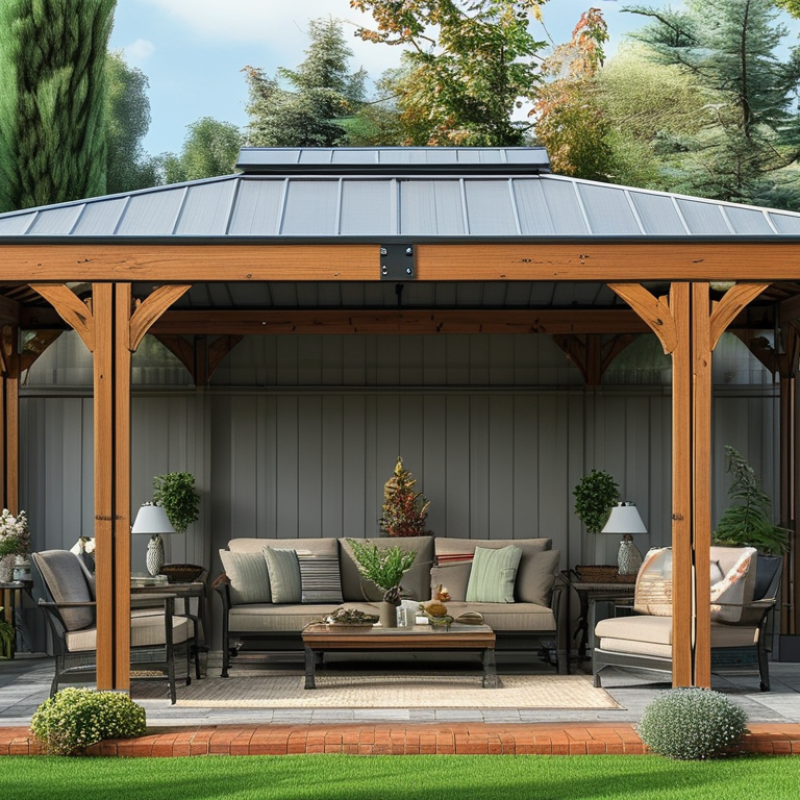
Factors to Consider When Selecting Aluminum Profiles for Pergolas
When selecting aluminum profiles for pergolas, several factors merit attention. The intended use of the pergola significantly influences the choice of aluminum. If it will provide shade, ensure that the profile can support additional weight. Profiles designed for structural integrity often feature thicker materials.
Consider the environmental impact. Aluminum should have a durable finish that withstands harsh weather conditions. Anodized or powder-coated surfaces offer enhanced protection. These finishes help to prevent corrosion and fading over time. Pay attention to the color options available as well; the wrong color may clash with your outdoor decor.
Lastly, think about installation ease. Some profiles come with pre-drilled holes, simplifying assembly. If the profiles are too complex, it may lead to frustrations during setup. Often, installation guides can be lacking. Don't hesitate to research before making a final decision. Prioritize reliability in practical use, and remain open to feedback throughout your decision-making process.
Understanding Different Types of Aluminum Alloys for Pergola Construction
When constructing a pergola, the choice of aluminum alloy is crucial. Different alloys possess unique properties. For instance, 6061 and 6063 are common in pergola construction due to their combination of strength and lightweight characteristics. According to data from the Aluminum Association, 6063 alloy provides excellent corrosion resistance, making it ideal for outdoor structures.
The strength-to-weight ratio is essential in selecting an aluminum profile. 6061 offers superior tensile strength, rated at about 40,000 psi. This allows for greater spans and stability. However, this alloy can be more challenging to work with due to its tougher composition. Consequently, balancing strength and workability is vital in design.
Moreover, the surface finish plays a significant role in durability. An anodized finish can enhance corrosion resistance, prolonging the lifespan of your pergola. Recent industry studies indicate that anodized aluminum can last up to twice as long as untreated aluminum in harsh environments. While choosing aluminum profiles, one must consider both material properties and environmental conditions. This ensures the final structure remains sturdy and visually appealing.
Evaluating Durability: A Comparison of Aluminum Profiles vs. Other Materials
When selecting aluminum profiles for pergolas, durability is a key consideration. Aluminum generally outperforms wood and plastic in terms of resistance to weathering. Research indicates that aluminum profiles can last 30 years or more without significant deterioration. In comparison, wood often succumbs to rot and pests within a decade.
Aluminum’s inherent properties contribute to its longevity. It does not warp or crack like wood, and it is not susceptible to thermal expansion like PVC. A comprehensive study indicated that up to 50% of wooden structures fail prematurely due to such issues. The need for regular maintenance, like painting or sealing wood, adds hidden costs. Aluminum, with its minimal upkeep, offers an attractive alternative.
However, not all aluminum profiles are created equal. Variations in alloy composition can impact performance. Some profiles may struggle under heavy loads or extreme temperatures. Professionals often recommend looking for standards in manufacturing, such as the American Society for Testing and Materials (ASTM) guidelines. This ensures that chosen profiles will not only meet aesthetic demands but also structural integrity over time.
Impact of Surface Treatments on Aluminum Profiles Used in Pergolas
When choosing aluminum profiles for your pergola, surface treatments play a crucial role. They enhance both aesthetics and durability. Anodization, for example, provides a protective layer that resists corrosion. This is especially important in coastal areas where salt can be damaging. Powder coating offers a wide range of colors. It maintains vibrant finishes longer than traditional paints.
The choice of treatment can significantly affect the lifespan of the profile. A poorly treated surface may fade or chip over time. On the other hand, high-quality finishes maintain their appearance and functionality. However, not all surface treatments are created equal. Some may require more maintenance, while others promise extended durability. It's essential to weigh these factors before deciding.
Ultimately, the most suitable surface treatment aligns with your climate and design preferences. Understanding the implications of each treatment can help avoid costly mistakes. Researching local options might unveil better choices. Ensure you consider long-term performance in your selection process. Your pergola should not only look good but also withstand the elements.
2026 How to Choose the Best Aluminum Profile For Pergola? - Impact of Surface Treatments on Aluminum Profiles Used in Pergolas
| Profile Type | Surface Treatment | Durability (Years) | Corrosion Resistance | Aesthetic Options | Maintenance Level |
| Standard Profile | Anodized | 20 | High | Limited Colors | Low |
| Heavy-Duty Profile | Powder Coated | 30 | Very High | Wide Range of Colors | Medium |
| Decorative Profile | Brushed Finish | 15 | Medium | Stylish Options | High |
| Lightweight Profile | Untreated | 10 | Low | Basic Options | Very High |
Cost-Effectiveness of Aluminum Profiles Over Time: A Statistical Analysis
When considering the cost-effectiveness of aluminum profiles for pergolas, it's essential to look beyond initial prices. Statistical analysis reveals that aluminum often outperforms other materials over time. With lower maintenance costs and extended durability, aluminum profiles prove to be a wise investment. Data shows that homeowners save money on repairs and replacements, which adds to their long-term value.
The lifespan of aluminum profiles typically exceeds ten years, which is longer than most wood or vinyl options. While the upfront cost can be higher, the longevity offsets this expense. For instance, a well-maintained aluminum pergola can withstand harsh weather conditions without significant degradation. Seasonal maintenance is simple, often only requiring a quick wash.
However, the choice may involve trade-offs. Some may prefer the aesthetic of wood, even though its lifespan and maintenance needs suggest that aluminum might be better. Evaluating personal preferences is key. Understanding these dynamics ensures a more informed decision, allowing for a balanced perspective on investment in outdoor structures.
Cost-Effectiveness of Aluminum Profiles Over Time