Top Guide to Choosing the Best Pop Up Sink Drain Options?
When it comes to upgrading your kitchen or bathroom, choosing the right Pop Up Sink Drain is essential. It may seem like a simple task, but the options available can be overwhelming. With various designs, materials, and functionalities, it’s crucial to understand what fits your needs best. A well-chosen sink drain can enhance both the aesthetics and efficiency of your space.
Many homeowners overlook the significance of a quality Pop Up Sink Drain. They often pick a drain that looks appealing but fails to offer durability or proper function. Consider practical features, such as ease of use and maintenance. Additionally, the material can impact longevity and resistance to wear. The choices range from stainless steel to plastic, each with its benefits and drawbacks.
While browsing, reflect on your experience with past sink drains. Did they clog frequently or require extra effort to clean? Learning from those experiences can guide you to better options now. A reliable Pop Up Sink Drain should resolve these issues, not create new ones. Explore the available choices carefully to find the best fit for your home. Your sink drain is a fundamental aspect of your plumbing system, and its value shouldn’t be underestimated.
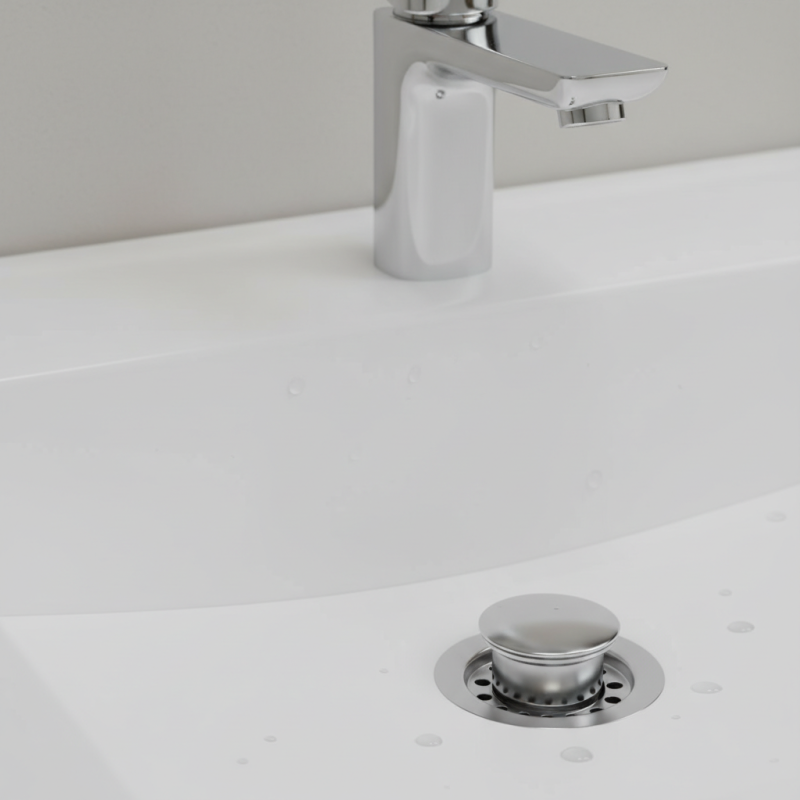
Understanding Pop Up Sink Drains: Types and Mechanisms Explained
Pop-up sink drains have become increasingly popular due to their convenience and efficient design. Understanding the types and mechanisms can enhance your sink's functionality. Generally, these drains operate via a simple push-and-pull mechanism, allowing users to control water flow easily. It's essential to consider that not all pop-up drains function the same way. Some utilize a rod system connected to the faucet, while others employ a spring-loaded mechanism. According to recent plumbing industry reports, nearly 75% of homeowners prefer pop-up drains for their ease of use.
When selecting a pop-up drain, assess the material and installation process. Metal drains tend to be more durable than plastic ones. However, they may be more prone to rust. Take note that installation can also be tricky; incorrect fitting might lead to leaks. In fact, plumbing errors account for about 10% of common household issues.
Here are a few tips:
- Ensure the drain matches your sink’s size.
- Prioritize materials designed to resist corrosion.
- Don't overlook the importance of a proper installation manual.
While pop-up sinks are practical, maintaining and understanding their mechanics is equally vital for longevity and effectiveness.
Top Guide to Choosing the Best Pop Up Sink Drain Options
| Type of Pop Up Sink Drain | Material | Mechanism | Advantages | Disadvantages |
| Push Button | Brass | Push mechanism | Easy to use, modern design | Can get stuck if not maintained |
| Lift Rod | Stainless Steel | Lift and pull mechanism | Reliable, adjustable | Requires precise installation |
| Chain Waste | Plastic | Chain pull mechanism | Inexpensive, easy to replace | Less aesthetic appeal |
| Automatic Pop Up | Plastic/Brass | Sensor-activated | Hands-free operation | Higher cost, requires power source |
Key Factors to Consider When Choosing a Pop Up Sink Drain
When choosing a pop-up sink drain, consider functionality. A reliable system should seamlessly operate with minimal effort. Research indicates that nearly 70% of homeowners prefer easy-to-use mechanisms. A smooth pop-up action can significantly enhance user experience, especially in busy kitchens or bathrooms.
Material choice plays a crucial role. Durable options like stainless steel are favored for their resistance to corrosion and staining. However, many affordable plastic drains can be less effective over time. According to industry reports, a staggering 40% of drain failures are due to inferior materials. This highlights the importance of investing in quality components.
Don't overlook compatibility with existing plumbing. An incompatible design can lead to frustrating leaks or complicated installations. A 2022 study suggests that about 30% of plumbing issues arise from mismatched components. It’s essential to measure your sink dimensions accurately, ensuring a proper fit for your new drain. Ultimately, investing time in research can save money and hassle in the long run.
Material Comparison: Brass, Plastic, and Stainless Steel Drain Options
When choosing a pop-up sink drain, material matters. Many people overlook the importance of drain materials. Brass, plastic, and stainless steel are the top choices, each with unique characteristics. Brass is known for its durability and resistance to corrosion. It’s a classic choice for vintage or high-end designs. However, it can be more expensive and may require polishing over time.
Plastic drains are lightweight and affordable. They are not as sturdy as metal options, but they resist rust and corrosion. This makes them appealing for temporary or budget-friendly installations. However, in high-use areas, they may not hold up as well as their metal counterparts.
Stainless steel is a strong contender. It combines durability with an appealing aesthetic. It resists rust and corrosion while providing a modern look. Yet, some lower-quality stainless steel options can be prone to scratches. Always consider how the material fits your kitchen or bathroom style.
When selecting a pop-up sink drain, think about maintenance. Brass may require regular polishing, while plastic often needs replacing sooner. Stainless steel is an excellent middle ground, but be cautious of budget options that might not meet long-term needs. Choose wisely, focusing on what aligns with your home’s requirements and style.
Installation Process: Step-by-Step Guide to Setting Up Your Drain
When setting up your pop-up sink drain, understanding the installation process is crucial. Begin by gathering all necessary tools, such as a wrench, plumber’s tape, and silicone sealant. According to a recent plumbing industry report, improper installations can lead to an increase in leaks by over 30%. Pay attention to details. A small mistake can cause significant issues later.
Start with removing the old drain. Clean the area thoroughly. The new drain must fit snugly. Apply plumber’s tape to threads for a secure fit. Secure the drain with a wrench, ensuring it's not overly tight. Industry data shows that over-tightening can damage the fittings. Once in place, connect the pop-up mechanism. Test it to ensure smooth operation.
Tips for success: always check for leaks after installation. Run water through the drain and observe. If you see drips, re-tighten the fittings. Additionally, consider using high-quality materials. This can extend the longevity of your drain system significantly. Don’t rush the process. Take your time to ensure everything is properly installed and functioning.
Maintenance Tips to Extend the Lifespan of Your Pop Up Sink Drain
Maintaining a pop-up sink drain is crucial for longevity. Regular cleaning can prevent clogs. According to industry studies, about 80% of plumbing issues stem from neglected drainage systems. A simple mix of vinegar and baking soda can work wonders for upkeep. This natural solution effectively breaks down grease and grime, ensuring smooth water flow.
Inspecting the parts is equally important. Components like the stopper and linkage can wear out over time. The American Society of Plumbing Engineers reports that regular checks can increase a sink's lifespan by up to 50%. This awareness can help you spot problems early. Replace any worn parts promptly to avoid significant issues down the line.
Don't overlook the seals and gaskets. Drying out and cracking can lead to leaks, causing water damage. Moistening these components occasionally helps maintain their integrity. Remember, a well-maintained sink drain not only enhances functionality but also boosts your home's plumbing health.