10 Essential Tips for Choosing the Perfect Residential Doors?
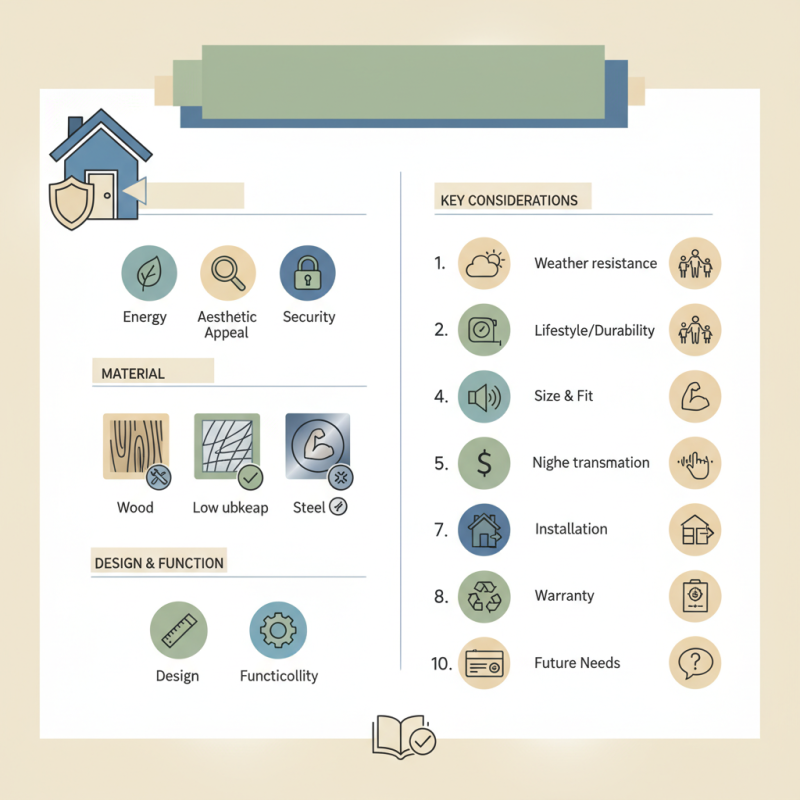
Choosing residential doors can be overwhelming. With so many options available, it’s essential to know what to look for. The right door enhances your home’s security, aesthetic appeal, and energy efficiency.
When selecting residential doors, consider the material. Wood, fiberglass, and steel all have unique advantages. For instance, wood offers warmth and charm but requires more maintenance. On the other hand, fiberglass can mimic wood without the upkeep. Steel doors provide excellent security but may dent easily.
Beyond material, think about design. Your door should match your home's style. But remember, functionality matters too. Consider the door's durability against weather and everyday use. Reflect on your lifestyle; a busy family may need something sturdy. Choose wisely, as poorly selected residential doors can lead to regrets down the line.
Understanding Different Types of Residential Doors
When choosing residential doors, understanding the different types is crucial. There are primary options: wooden, fiberglass, and steel doors.
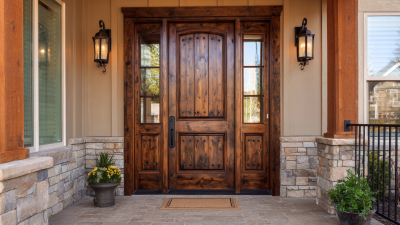
Wooden doors offer warmth and aesthetics but can warp in humid conditions.
Steel doors provide strength and security. However, they might be less appealing visually.
Fiberglass doors resist dents and scratches, but some people consider them less durable than wood or steel.
When selecting a door, consider energy efficiency. According to Energy Star, a well-insulated door can reduce heating and cooling costs by up to 15%.
Look for doors with an R-value above 5 for better insulation. Pay attention to the door’s seal; poor seals can lead to drafts and affect energy bills.
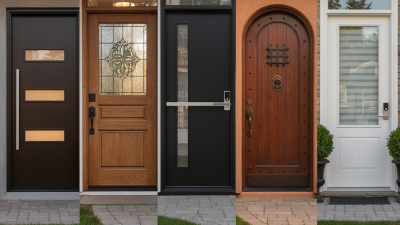
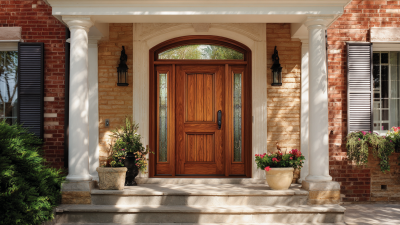
Tip: Think about your home's style. The door sets the tone for your property. If your home is modern, a sleek fiberglass door may work best. For traditional homes, a classic wooden door might be more fitting.
Color and hardware also play a significant role. Don’t forget to factor in maintenance. Wooden doors often need refinishing, while steel doors might rust without proper care.
Choose wisely to balance aesthetics with practicality.
Key Materials Used in Residential Door Manufacturing
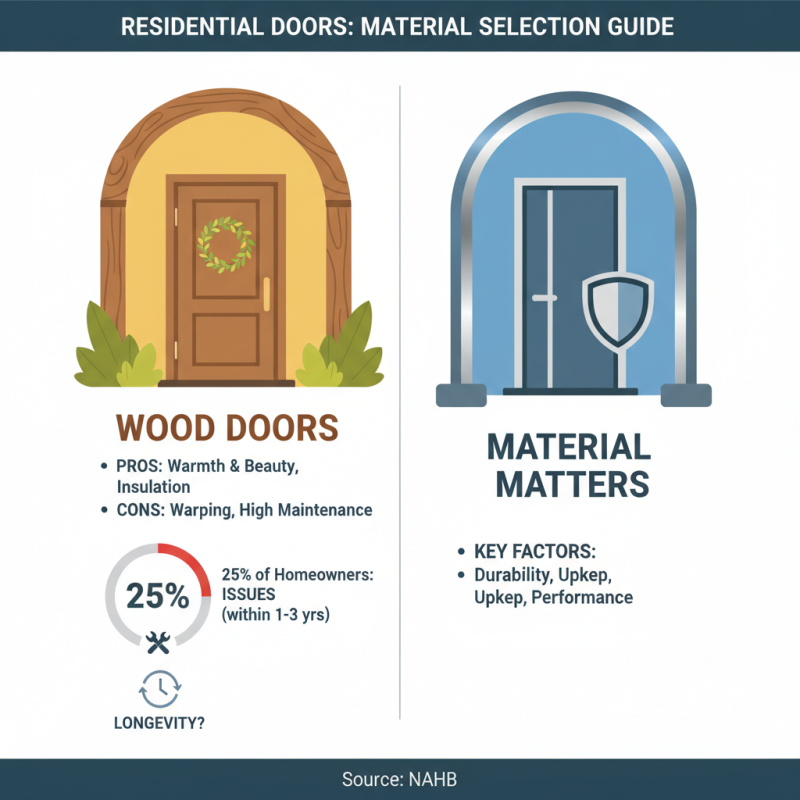
When selecting residential doors, the choice of materials is crucial. Wood is a popular option, offering aesthetic appeal and insulation. However, wood can warp over time and requires regular maintenance. According to the National Association of Home Builders, around 25% of homeowners reported issues with wood doors within the first few years. This data highlights the importance of considering longevity.
Fiberglass doors are rising in popularity. They provide durability and resistance to dents and rust. HomeAdvisor reports that these doors can last over 30 years with proper care. However, they may not offer the same authentic feel as wood. Homeowners must weigh the tactile experience against longevity. Metal doors, on the other hand, are highly secure. They resist severe weather but can be prone to denting. A survey indicated that 18% of homeowners expressed dissatisfaction with metal doors due to rusting concerns.
Choosing the right material impacts home security and energy efficiency. A poorly insulated door can lead to significant energy loss. Research shows that up to 10% of a home's heat escapes through inadequate doors. Therefore, it’s important to balance style and functionality in residential door selection.
Evaluating Security Features for Your Residential Doors
When considering residential doors, security features should be a top priority. A study by the Home Security Research Institute found that nearly 30% of burglars gain entry through an unlocked door. This statistic underlines the importance of robust security mechanisms. Look for doors that come with deadbolts, reinforced frames, and durable materials. Steel and fiberglass doors often provide better resistance against break-ins compared to standard wood doors.
Another crucial aspect is the lock quality. In 2020, a report from the National Institute of Standards and Technology indicated that nearly 80% of home invasions involved poor quality locks. Invest in high-grade locks that meet industry standards. Smart locks, while modern, can also have vulnerabilities. Check user reviews and security ratings before making a decision.
Visual deterrents can play a significant role. A door with visible security features might discourage potential thieves. Certain studies show that homes with visible security systems can reduce burglary risk by up to 40%. Regularly assess your door’s security features and make necessary upgrades. Evaluate what you currently have. Are your security features up to date? Small improvements can make a big difference.
10 Essential Tips for Choosing the Perfect Residential Doors - Evaluating Security Features for Your Residential Doors
| Tip No. |
Tips |
Security Feature |
Material Recommendation |
| 1 |
Assess your security needs |
Reinforced locks |
Steel |
| 2 |
Consider door frame strength |
Solid frame construction |
Fiberglass |
| 3 |
Choose the right door style |
Multi-point locking systems |
Wood |
| 4 |
Evaluate thermal insulation |
Weather stripping |
Vinyl |
| 5 |
Test the door’s durability |
Impact resistance |
Steel |
| 6 |
Check for window options |
Tempered glass |
Wood with glass inserts |
| 7 |
Look at hardware quality |
Heavy-duty hinges |
Aluminium |
| 8 |
Consider the color and finish |
Fade-resistant materials |
Vinyl |
| 9 |
Research energy efficiency |
Insulated core |
Fiberglass |
| 10 |
Consult with a professional |
Expert recommendations |
Various materials based on need |
Aesthetic Considerations: Style and Color Options for Doors
Choosing the right residential door is crucial. Aesthetic considerations significantly impact both curb appeal and property value. According to the National Association of Realtors, doors can boost home value by up to 10%. This emphasizes the importance of style and color options.
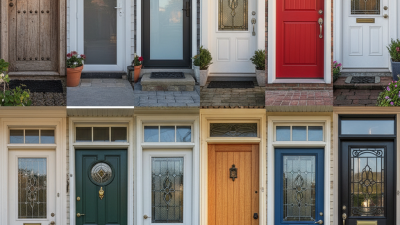
When selecting a door, think about your home's architecture. The door should complement the overall design. For modern homes, sleek lines and bold colors might work best. In contrast, traditional homes often benefit from classic wood finishes and neutral hues. A survey by the American Institute of Architects indicates that 73% of architects recommend choosing colors that harmonize with surrounding elements.
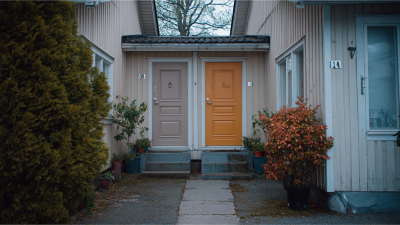
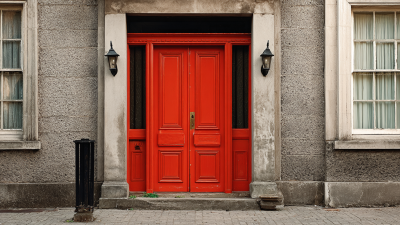
Consider the psychological effects of color as well. Warm colors like red or yellow evoke energy and happiness. Cooler shades like blue or green promote calm and serenity. However, be cautious. Not every color will suit every neighborhood or home style. A vibrant door in a conservative area might clash, leading to buyer hesitance down the line. Balancing personal preference with market trends is a tricky yet necessary endeavor.
Cost vs. Quality: Budgeting for Your Perfect Residential Door
Choosing the right residential door involves more than just aesthetics. Budgeting is a crucial aspect. High-quality doors often come with a higher price tag. However, cheaper options may compromise durability. It can be tempting to grab a bargain. But think about longevity. A door has to withstand weather, wear, and tear.
Quality materials matter. Wood, fiberglass, and steel offer different benefits. Solid wood doors provide warmth. Steel doors boast security and wear resistance. Fiberglass doors can be energy-efficient and low maintenance. Evaluate the cost of replacement versus the initial investment. This consideration is vital for long-term satisfaction.
Don’t forget about installation costs. Sometimes, the doorway is more critical than the door itself. Improper installation can lead to future problems. Seek out professional help. A poorly installed door can cause drafts and damage over time. Budget wisely. Balance aesthetics, durability, and installation. Find a door that checks all boxes without breaking the bank.