Doors &
Windows

10 Essential Tips for Choosing Nordik Windows and Doors

Choosing the right windows and doors is crucial for any home. Nordik windows and doors stand out for their quality and aesthetics. The selection process can feel overwhelming, given the many options available. Each choice impacts energy efficiency and overall comfort.

When considering Nordik windows and doors, think about your home's style and climate. The right design complements your home. It enriches your living space and enhances curb appeal. Read reviews and gather feedback from others who have made similar choices. Their insights can guide your decision-making.

While Nordik offers great products, some features may not meet your specific needs. Reflect on both pros and cons. Each home is unique, and your preferences matter. Keep an open mind as you navigate through specifications and options. In the end, choosing Nordik windows and doors is about balancing beauty with practicality.
10 Essential Tips for Choosing Nordik Windows and Doors

Key Considerations for Selecting Nordik Windows and Doors Based on Climate

When selecting windows and doors, climate plays a crucial role. Different regions experience varied weather conditions. For instance, homes in colder climates benefit from excellent insulation. In contrast, areas with high humidity need windows that resist moisture.

Tip 1: Check the insulation rating. A higher rating leads to better energy efficiency. According to the National Fenestration Rating Council, windows with an Energy Star label can save homeowners 12% on energy bills. This is significant over time.

Think about the frame materials too. Vinyl is low maintenance and performs well in diverse climates. Wood offers a classic look but may need more upkeep.

Tip 2: Consider local weather patterns. If your area experiences heavy rainfall, select windows with water-resistant features. It’s easy to overlook, but improper sealing can lead to mold growth.

With all these factors, it's easy to feel overwhelmed. Be mindful to not rush the decision process. Understanding climate needs can elevate the comfort of your home.

10 Essential Tips for Choosing Windows and Doors - Key Considerations for Selecting Based on Climate

Tip Description Climate Consideration
1. Energy Efficiency Look for windows and doors with high energy efficiency ratings to reduce heating and cooling costs. Cold climates benefit from low U-values.
2. Material Choice Select materials that withstand local weather conditions, such as vinyl or fiberglass for humid areas. Coastal areas require corrosion-resistant materials.
3. Installation Quality Ensure professional installation to prevent air and water leaks. All climates need proper installation to minimize issues.
4. Glazing Options Choose between single, double, or triple glazing based on insulation needs. Warmer climates may prefer single or double glazing for ventilation.
5. Local Building Codes Check local regulations regarding window and door specifications. All climates have building code requirements to consider.
6. Aesthetic Appeal Select styles that complement your home's architecture. Aesthetic choices may vary based on regional styles.
7. Noise Reduction Consider soundproofing options if you live in noisy areas. Urban areas require better noise insulation.
8. Maintenance Requirements Choose low-maintenance materials suited for your climate. Harsh climates may require high-resistance tests.
9. Warranty Terms Review the warranty to understand coverage for different climates. Climate impact on durability may affect warranty length.
10. Cost Considerations Balance between cost and quality to meet financial constraints. Budgeting must consider climate adaptation costs.

Understanding Energy Efficiency Ratings for Nordik Windows and Doors

10 Essential Tips for Choosing Nordik Windows and Doors

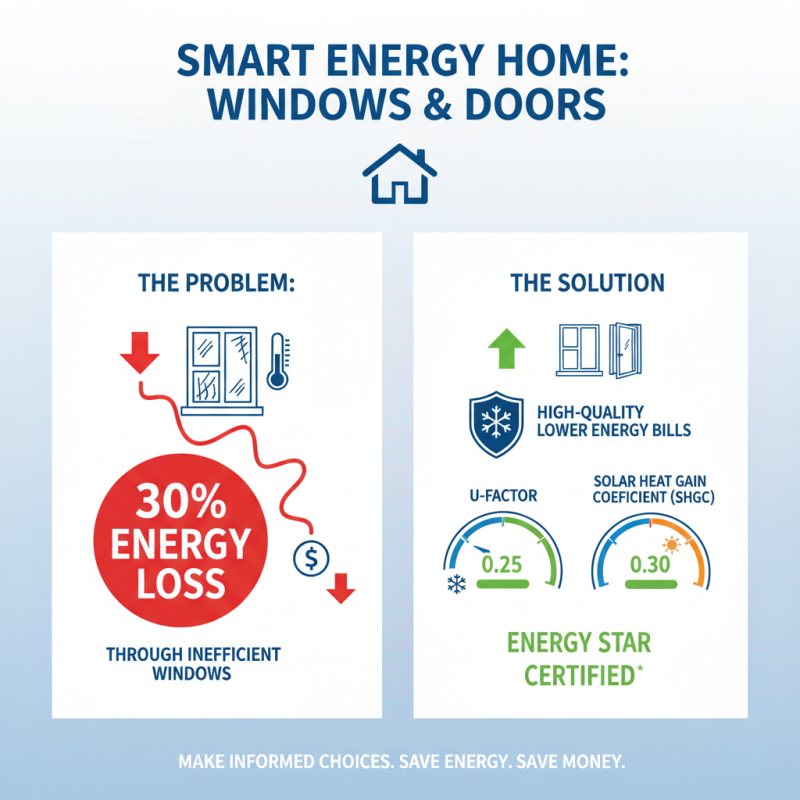
When considering windows and doors, energy efficiency is crucial. High-quality products can significantly lower energy bills. A recent report indicates that up to 30% of a home's energy loss occurs through inefficient windows. Understanding energy efficiency ratings helps in making informed choices.

Energy ratings often include U-factor and Solar Heat Gain Coefficient (SHGC). The U-factor measures how well a product insulates. A lower U-factor indicates better insulation. Meanwhile, SHGC measures how much solar heat enters through the window. For warmer climates, a lower SHGC is advantageous.

Choosing products with Energy Star ratings can be beneficial. Products meeting these standards can be up to 30% more efficient than non-rated options. However, not all high-rated windows are perfect. Some may not perform as expected under extreme weather conditions. Understanding these ratings and specifications is essential. It fosters smarter investments and improved comfort in your home.

Evaluating Material Options: Vinyl, Wood, and Fiberglass for Durability

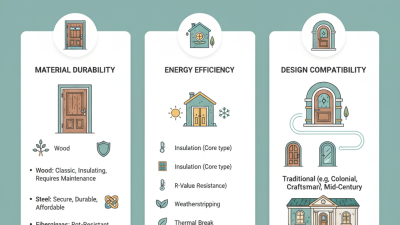
When choosing windows and doors, materials matter. Vinyl, wood, and fiberglass each offer unique benefits. Vinyl is low-maintenance and energy-efficient. It's resistant to moisture and won't warp. However, its style options might be limited. Wood provides classic appeal and excellent insulation. It requires upkeep to prevent rot. Fiberglass is durable and can mimic wood. Yet, it might come with a higher price tag.

Consider the climate in your area. For humid environments, vinyl could be the best choice. It stands up to moisture well. In colder regions, wood may keep your home warm. Fiberglass is a strong contender for those seeking durability. It's also less prone to expansion and contraction. Evaluate the aesthetics of your home. This should guide your choice of materials to ensure harmony.

Tips for selecting materials can guide you: check warranties and lifespan. Understand each material’s performance. Do you prioritize maintenance? Reflect on these questions. Don't rush your decision. Take your time to consider each option. Ensuring the right fit requires thoughtful evaluation.

Importance of Customization: Tailoring Size and Style to Your Home

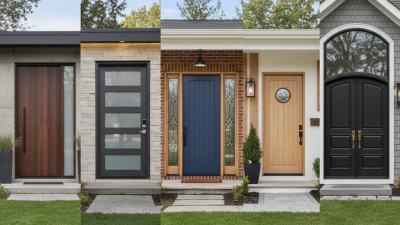
When choosing windows and doors, customization is key. Tailoring the size and style to fit your home enhances both functionality and aesthetics. Consider your house's architecture. Do you have a modern or traditional design? A mismatch can make your home feel disjointed.

Select materials that resonate with your taste. Wood, fiberglass, or vinyl each offers unique benefits. Keep in mind that not all options will fit your vision or budget. It’s crucial to measure your spaces accurately. Inaccurate measurements lead to costly mistakes.

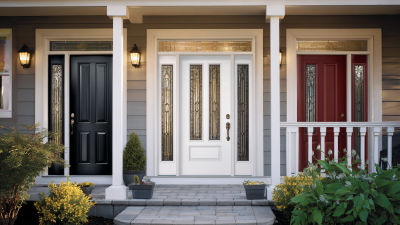
Choosing color and texture is just as important. A bold color can make a statement, while a neutral blend complements easily. Be honest about your preferences. Sometimes, what seems trendy might not suit your lifestyle.

Here are a couple of tips:

  • Always check for energy efficiency ratings.
  • Good insulation saves money in the long run.
It’s also vital to consult with professionals. Their advice can prevent you from making choices you might later regret.

Comparison of Installation Processes: Professional vs. DIY for Nordik Products

When considering the installation of windows and doors, understanding the difference between professional and DIY processes is crucial. Professional installations typically offer a streamlined process. For instance, a survey by the Window and Door Manufacturers Association indicates that around 80% of homeowners are satisfied with professional installation. This often leads to better energy efficiency and fewer issues over time.

On the other hand, DIY installations can be tempting for those looking to save money. A report from the National Association of Home Builders suggests that DIY projects can cost about 20–30% less than hiring professionals. However, many homeowners underestimate their skill levels. A staggering 60% of DIY projects face unexpected challenges, leading to costly repairs later. Among these, improper sealing is a common issue, affecting energy bills and comfort.

Choosing a DIY approach requires thorough research and planning. Accurate measurements are critical. For instance, even a slight miscalculation can lead to gaps that compromise insulation. Not to mention, having the right tools is essential. Many find themselves acquiring equipment they rarely use again. Reflecting on these factors can save not just money, but also time and frustration in the long run.

Comparison of Installation Processes: Professional vs. DIY for Windows and Doors