Essential Tips for Choosing the Right Exterior Storm Doors?
When choosing exterior storm doors, expert insights are invaluable. John Smith, a renowned specialist in home improvement, emphasizes, “The right storm door can enhance both beauty and security.” This statement encapsulates the significance of making an informed choice.
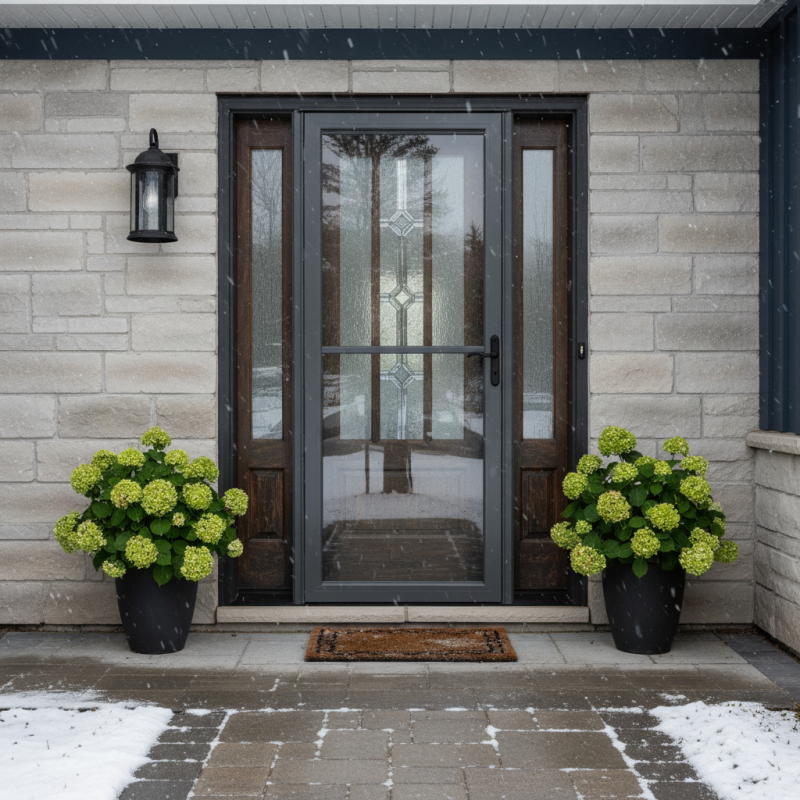
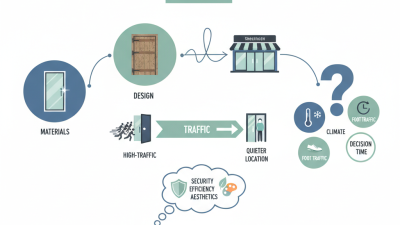
Exterior storm doors offer protection from harsh weather. They act as a barrier against wind, rain, and snow. Selecting the perfect storm door involves considering several factors. Materials, styles, and energy efficiency are key aspects to evaluate. Many homeowners overlook these details but should address them thoroughly.
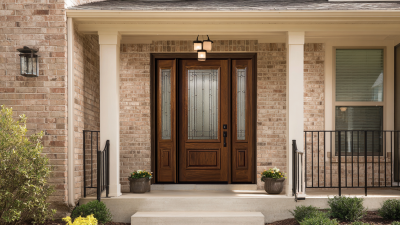
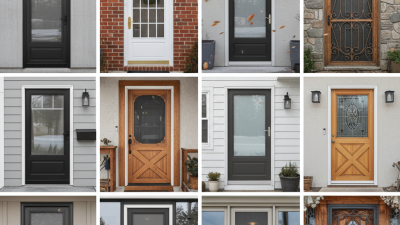
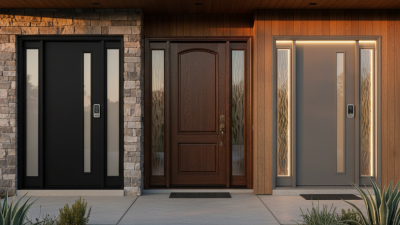
Think about the door's design. How does it blend with your home's exterior? Color and finish matter too. The door’s hardware can also play a role. Poor quality hardware can lead to a frustrating experience. When investing in exterior storm doors, reflect on functionality and aesthetics carefully.
Understanding the Importance of Exterior Storm Doors
Exterior storm doors play a crucial role in protecting your home. They act as a barrier against harsh weather. These doors help to insulate your home, saving energy costs. A well-chosen storm door prevents drafts and keeps out moisture. This feature is especially important during winter months. You might not notice a draft until it affects your heating bill.
Accessibility is another aspect. Some doors may be heavier. This can be difficult for some users. A functional storm door should allow easy entry and exit. You want to consider the design too. The style needs to match the home’s exterior. Sometimes, compromises must be made between aesthetics and functionality.
Security features are vital as well. Strong locks deter potential intruders. Look for sturdy materials when selecting a door. Some options may seem appealing but could have weak points. It's essential to evaluate what is best for your situation. Test how the door opens and closes. You should feel confident in your choice when the weather changes.
Essential Tips for Choosing the Right Exterior Storm Doors
This chart illustrates the importance of various factors when selecting exterior storm doors. Each factor is rated on a scale of 1 to 10 based on its significance to homeowners.
Key Features to Consider When Selecting Storm Doors
When selecting storm doors, there are several key features to consider. The material of the door plays a significant role.
Aluminum and fiberglass are popular choices for their durability.
Wood, while beautiful, can be prone to warping. Look for doors with a
strong frame. A sturdy frame enhances insulation and security.
Another important factor is the type of glass. Double-glazed glass is preferable for its energy efficiency.
Some doors come with built-in screens, which allow ventilation while keeping insects out. This feature can be quite handy.
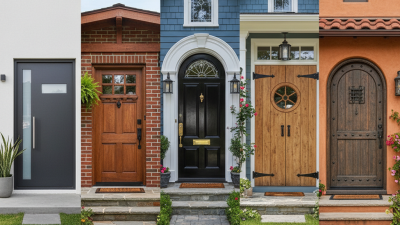
Consider the door's style too. It should complement your home’s design. A mismatched door might not enhance your curb appeal.
Don’t ignore the installation process. A poorly installed storm door can lead to inefficiencies.
Hiring a professional might be wise, especially if you're unsure. Some older homes may require modifications that could complicate things.
Finally, always check warranty options. A good warranty can save money in the long run. Keep these factors in mind to ensure you make the right choice.
Types of Materials Used in Storm Door Construction
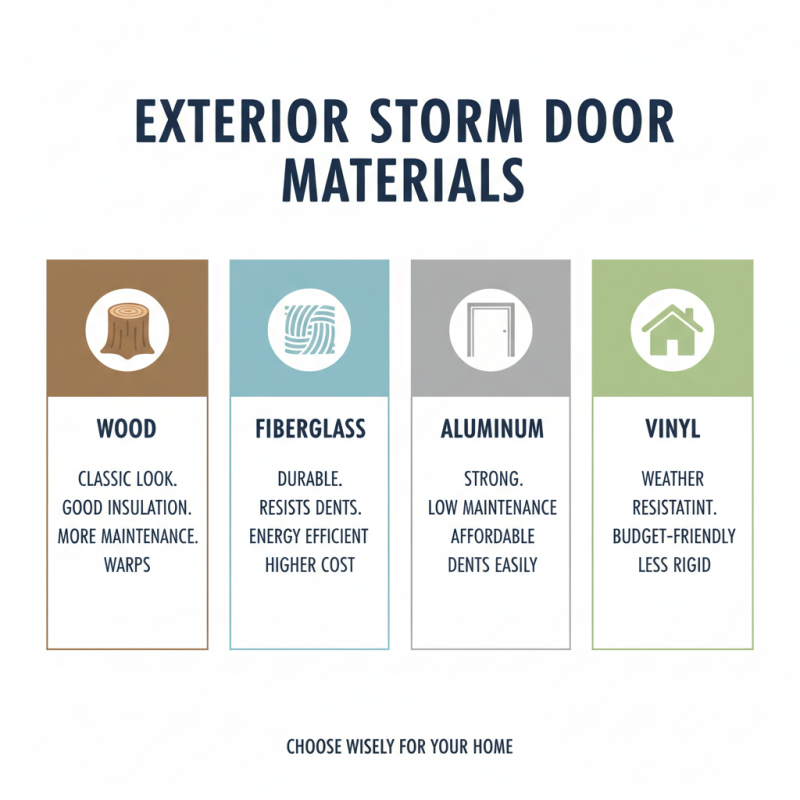
When choosing the right exterior storm doors, understanding the materials is crucial. Storm doors come in various materials, including wood, fiberglass, aluminum, and vinyl. Each material has unique advantages and drawbacks. For example, wood offers a classic look and good insulation. However, it may require more maintenance and can warp over time.
Fiberglass is another option. It's lightweight and resistant to dents. But, its cost can be higher compared to other materials. Aluminum is sturdy and low-maintenance, but it can dent easily and might not provide the best insulation. Vinyl doors are affordable and come in many colors. Yet, they may not offer the same durability as metal options.
It's essential to consider your climate and aesthetic preferences when choosing. Reflect on how much maintenance you're willing to undertake. While some materials promise longevity, others offer a quick fix. Balancing aesthetics, cost, and durability can be challenging. Ultimately, weighing these factors will help guide your decision for a reliable storm door.
Evaluating Energy Efficiency and Insulation Benefits
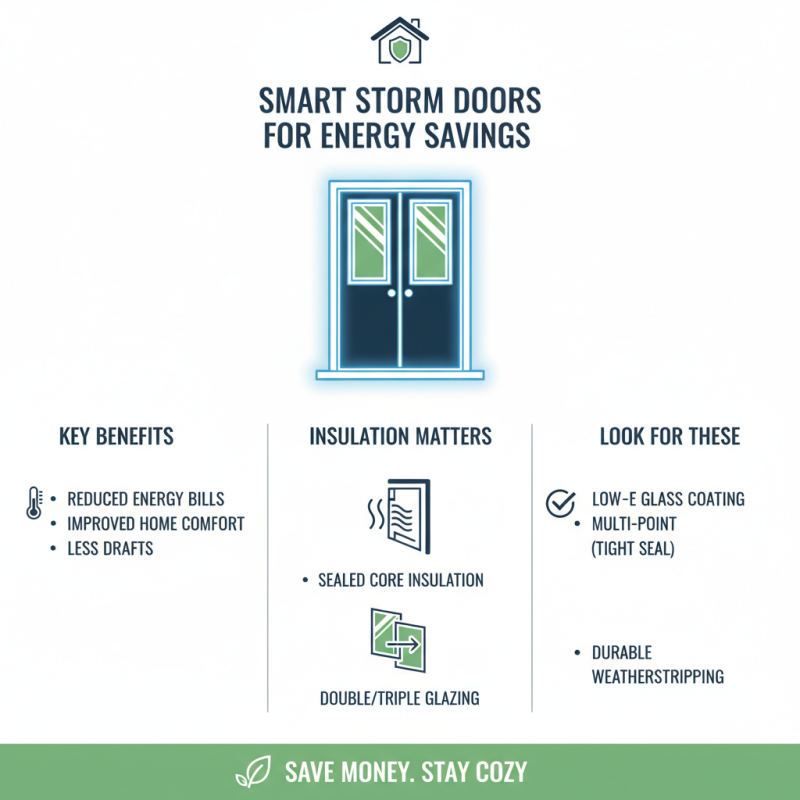
When choosing exterior storm doors, energy efficiency and insulation are key factors. These doors can significantly affect your home’s overall energy consumption. A quality storm door can reduce heating and cooling costs. Look for doors with good insulation properties. Double or triple glazing options can further enhance performance.
Tips: Consider the door's material. Fiberglass or steel options often offer better insulation than aluminum. Check for a National Fenestration Rating Council (NFRC) label. This indicates the door's energy efficiency. Also, ensure a proper seal around the door frame. Gaps can lead to drafts and increased energy bills.
Not every door fits every home. Some homes may need custom solutions. It's important to assess your own space and needs. Reflect on your climate and typical weather patterns. In colder regions, thicker, insulated doors may perform better. In milder climates, a standard model might suffice. Always weigh style against functionality to make the best choice.
Installation and Maintenance Tips for Longevity
When it comes to exterior storm doors, proper installation and maintenance are vital for longevity. A well-maintained storm door can last over 30 years, according to industry studies. However, improper care can lead to rust, warping, or decreased performance. Regular inspection is key. Check for any gaps or wear around the door frame. This helps maintain energy efficiency.
If you find scratches or dents, touch them up sooner rather than later. Left unaddressed, these issues can worsen. Consider applying a fresh coat of paint every few years. This not only enhances appearance but also protects from moisture.
Cleaning your storm door is also important. Use a mild soap and water solution to avoid damaging the finish. Experts suggest reassessing door seals every few years. Rubber gaskets wear out and can allow drafts. Replace them if necessary. Taking these steps can greatly extend the life of your storm door and improve your home’s energy efficiency.
Essential Tips for Choosing the Right Exterior Storm Doors
| Tip Category |
Description |
Maintenance Frequency |
Lifespan Expectation |
| Material Selection |
Choose durable materials like fiberglass or steel for better longevity and resistance to elements. |
Yearly Inspection |
10-20 years |
| Proper Sizing |
Ensure the door fits well within the frame for optimal insulation and security. |
Check During Installation |
N/A |
| Weatherstripping |
Install quality weatherstripping to prevent drafts and improve energy efficiency. |
Every 1-2 Years |
5-10 years |
| Hardware Quality |
Invest in good quality locks and hinges that withstand wear and tear. |
Annual Check |
10-15 years |
| Installation Technique |
Proper installation is crucial for operational efficiency and longevity. |
Check During Installation |
N/A |