How to Choose the Perfect Single Front Door for Your Home
Choosing the perfect single front door for your home is not just about aesthetics; it plays a crucial role in energy efficiency, security, and overall property value. According to a report by the National Association of Realtors, front doors are one of the top features that potential homebuyers notice, with 80% of buyers saying they would prefer a home with an attractive entrance. This underscores the importance of selecting single front doors that enhance curb appeal while also meeting functional requirements.
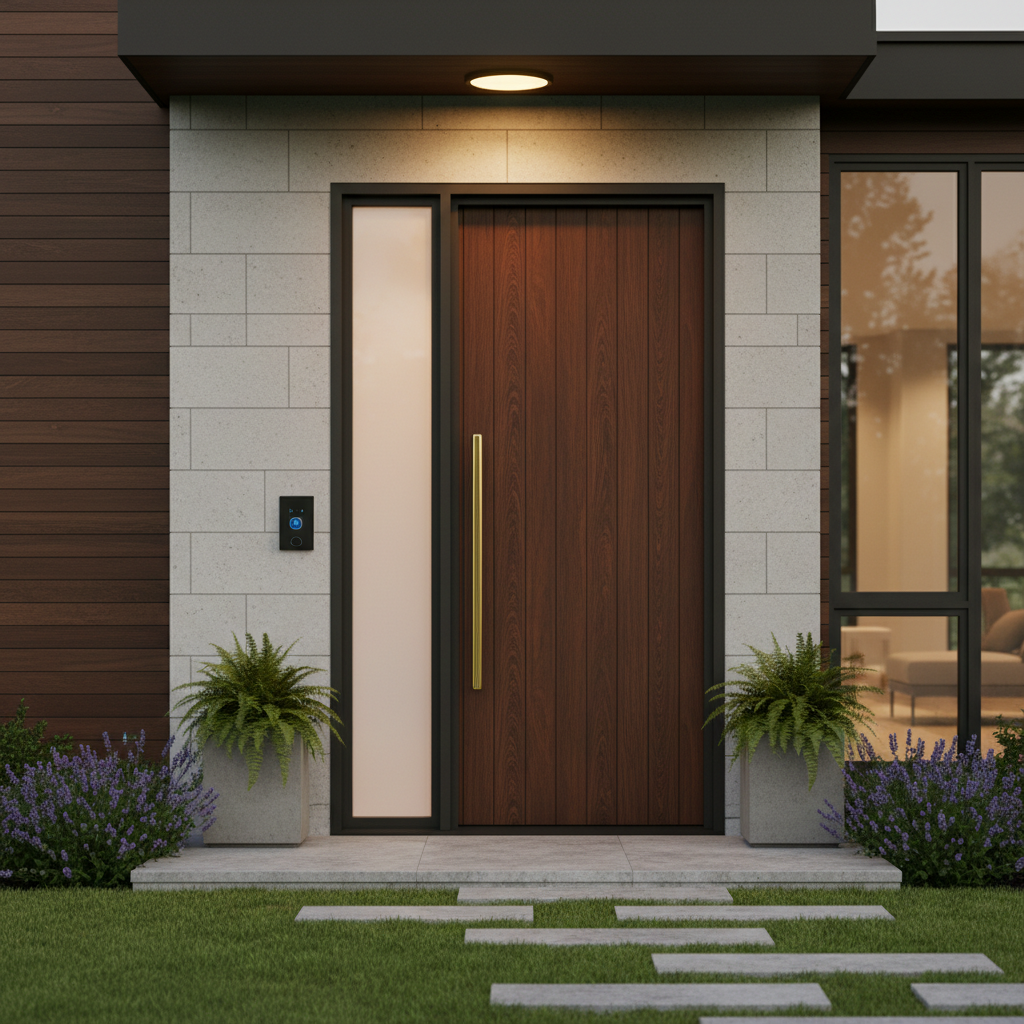
In today’s market, single front doors come in various materials, styles, and technologies, making it essential for homeowners to understand their options. The Door & Hardware Institute states that well-chosen doors can improve home insulation by up to 25%, significantly reducing energy costs. Furthermore, security features in modern single front doors have advanced, with options such as smart locks and reinforced frames becoming more prevalent, catering to the growing consumer demand for safety. Therefore, making an informed decision about single front doors is vital for blending style, performance, and security, leading to long-term satisfaction and investment value.
Understanding the Importance of Selecting the Right Front Door
When selecting the perfect single front door for your home, the importance of making the right choice cannot be overstated. A front door is not only the gateway to your home but also a critical component of your home's curb appeal. Research shows that homes with well-chosen front doors can see a curb appeal increase of up to 20%. Colors play a significant role in the impression your door makes; vibrant hues can convey fun and energy, suggesting a lively atmosphere within. According to design experts, shades like deep blue or bright red can enhance your home’s personality while still fitting harmoniously with its architectural style.
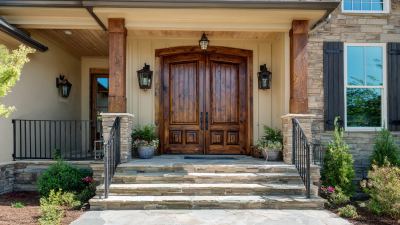
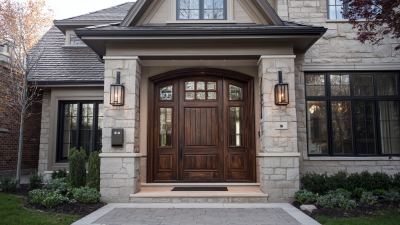
Additionally, the material and design of the front door contribute greatly to your home's first impression. A solid wooden door can evoke warmth and tradition, while a sleek metal option may suggest modern sophistication. Industry guidelines recommend considering factors like durability, maintenance, and style coherence with your overall home design.
For instance, using specific plants around your entrance can further enhance aesthetic appeal, with studies indicating that 9 carefully chosen plants can significantly uplift the entrance area. Incorporating these elements thoughtfully ensures your front door does more than welcome guests; it makes a lasting statement about your home.
Types of Front Doors: Materials and Styles Explained
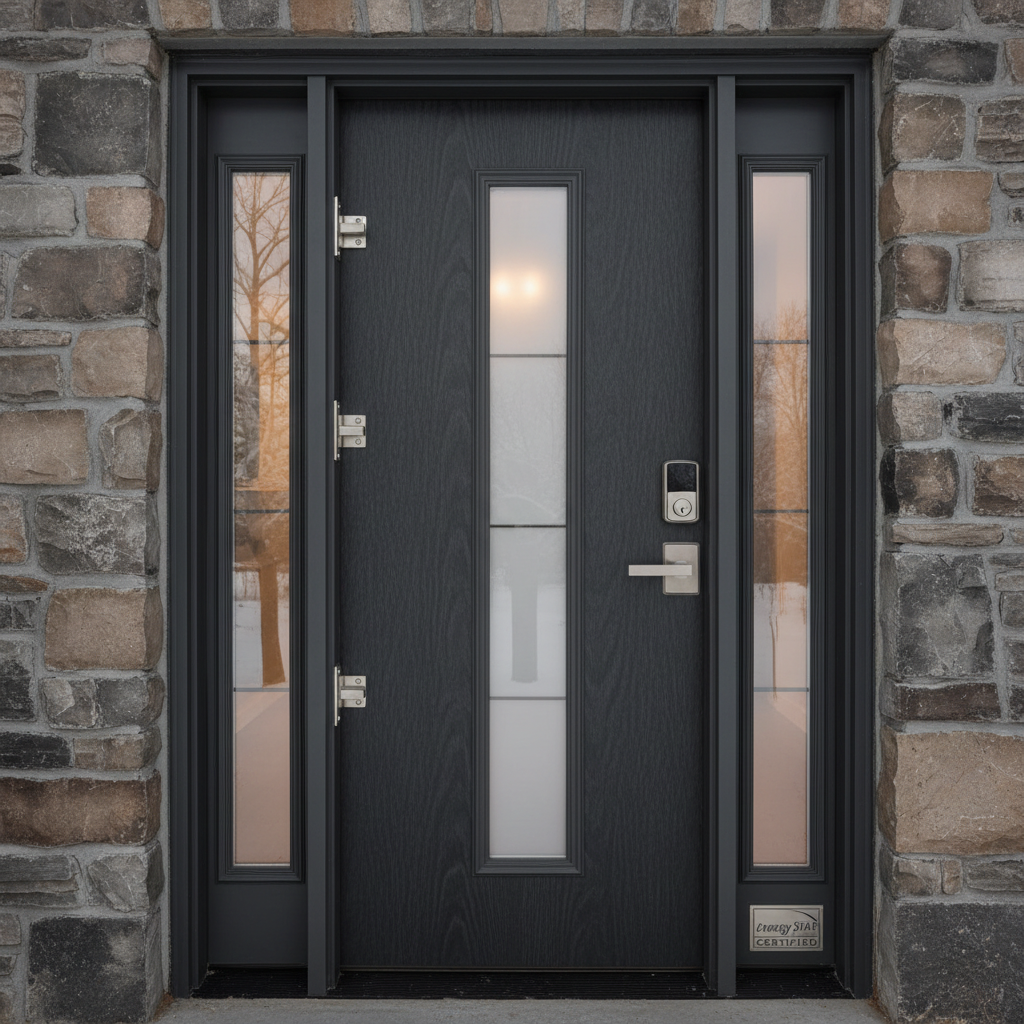
When selecting a front door, understanding the various types available is crucial to enhancing your home's curb appeal and security. According to the 2022 Door & Window Manufacturers Association (DWMA) report, fiberglass doors are becoming increasingly popular, accounting for nearly 27% of all residential door sales. Known for their durability and resistance to weather conditions, fiberglass doors provide an energy-efficient solution that protects homes while offering aesthetic versatility, ranging from traditional to contemporary styles.
In addition to fiberglass, wooden doors remain a classic choice, celebrated for their beauty and ability to be customized. The same DWMA report highlights that wood doors represent about 35% of the market share, appealing to homeowners looking for a timeless and elegant entrance. However, homeowners should consider the maintenance required for wood, as they can warp and require regular painting or staining. On the other hand, steel doors, holding about 30% of the market, offer superior security and often come with insulation properties that improve energy efficiency. Evaluating these material options based on style, performance, and longevity will help ensure you choose the perfect front door for your home.
How to Choose the Perfect Single Front Door for Your Home - Types of Front Doors: Materials and Styles Explained
| Door Type |
Material |
Style |
Energy Efficiency |
Average Cost |
| Traditional Front Door |
Wood |
Classic |
Good |
$1,000 - $2,500 |
| Modern Front Door |
Fiberglass |
Contemporary |
Excellent |
$1,200 - $3,000 |
| Craftsman Front Door |
Wood |
Arts and Crafts |
Good |
$800 - $2,000 |
| French Front Door |
Vinyl |
Traditional |
Fair |
$1,500 - $3,500 |
| Dutch Door |
Wood |
Farmhouse |
Good |
$900 - $2,200 |
Key Features to Consider When Choosing a Front Door
When selecting the perfect single front door for your home, it’s essential to consider several key features to ensure both aesthetics and functionality. One of the most important aspects is the material of the door. Common choices include wood, fiberglass, and steel, each offering varying levels of durability, insulation, and maintenance requirements. For instance, fiberglass doors are resistant to warping and weather damage, while wooden doors provide a classic, timeless appeal. Evaluating your local climate will help determine the best material suited for your home.
In addition to material, energy efficiency is another critical feature to consider. Look for doors with a good insulation rating, which can help reduce heating and cooling costs. Double or triple-pane glass options can significantly enhance energy efficiency while allowing natural light into your entryway. Security features, such as reinforced frames and high-quality locking mechanisms, are also vital to protect your home. Finally, consider the door's style and finish, ensuring it complements your home's overall design while enhancing curb appeal. Taking the time to weigh these factors will help you choose the perfect front door that marries beauty with functionality.
Budgeting for Your Perfect Front Door Installation and Maintenance
When budgeting for your perfect front door installation and maintenance, it's essential to consider both the
initial costs and long-term expenses.
According to the National Association of Realtors, a new front door can recoup as much as
74% of its cost upon resale. This statistic underscores the
importance of investing in quality, as a well-chosen door not only enhances
curb appeal but also contributes to home value.
Prices for front doors vary widely, with materials such as fiberglass or steel generally ranging from
$500 to $2,500, excluding installation costs.
Installation and maintenance are key components of the overall budget. The average cost to install a
front door can be anywhere from
$1,200 to $2,000, depending on complexity and
location. Regular maintenance, including repainting and weatherproofing, can add another
$200 to $400 annually. Investing in a
high-quality door with durable materials can minimize these
maintenance costs over time, reducing the overall expenditure. Moreover, energy-efficient doors
can lead to savings on utility bills, providing further financial incentives to choose wisely when it comes to
front door options.