Doors &
Windows

How to Choose the Best Residential Doors for Your Home?

Choosing the best residential doors is not only a style decision. It affects security, comfort, energy use, maintenance, and daily movement through your home.

The U.S. Department of Energy reports that heat gain and loss through windows can represent 25% to 30% of residential heating and cooling energy use. Doors also influence this performance, especially when frames warp, weatherstripping fails, or glass panels lack efficient coatings. A well-fitted insulated door can reduce drafts around a cold hallway or a sun-heated entrance. However, performance depends on installation quality, not just the product label.

Architect Sarah Susanka once described the front door as “the handshake of the house.” That image is useful. A door introduces your home before anyone enters, yet it must also withstand rain, fingerprints, slammed hinges, and changing temperatures. Industry guidance from ENERGY STAR and the National Fenestration Rating Council encourages buyers to compare insulation values, air leakage, solar performance, and certified ratings. These details matter more than a fashionable finish alone.

Still, there is no universally perfect door. A solid steel door may offer strong security and durability, while fiberglass can provide convincing wood texture with less maintenance. Timber delivers warmth, but it may demand regular sealing. My own practical preference is to examine the threshold, hinges, seals, and installation gap before admiring the color. That sounds less exciting. It often prevents expensive regret.

This guide explains how to compare materials, energy ratings, security features, climate suitability, and long-term costs when selecting residential doors for your home.
How to Choose the Best Residential Doors for Your Home?

Define Your Home’s Door Requirements and Priorities

How to Choose the Best Residential Doors for Your Home?

Define Your Home’s Door Requirements and Priorities

Start with the doorway, not the showroom display. Measure the rough opening, wall thickness, swing direction, threshold height, and available clearance. Consider your climate, too. A door facing strong afternoon sun needs different performance from one under a covered porch. The U.S. Department of Energy estimates that air leakage can account for 25–40% of household heating and cooling energy use. Poor sealing around a door can quietly increase drafts, noise, and monthly costs.

Set priorities before comparing materials. Energy efficiency may require a low U-factor, tight weatherstripping, and an accurately installed frame. The U.S. Energy Information Administration’s Residential Energy Consumption Survey identifies space heating as the largest home energy use, at roughly 42%. Security may depend more on the frame, hinges, lock area, and strike reinforcement than on the door slab alone. Moisture resistance matters near bathrooms, coastal air, and unprotected entrances. I have seen attractive doors fail because the threshold was poorly detailed. Appearance was not the real problem.

Tips: Write three non-negotiables before shopping. Check the door’s performance label and installation instructions. Ask how the warranty handles swelling, seal failure, and finish wear. Test a sample for opening force and daylight around the edges. Do not assume a heavier door is automatically safer. That shortcut needs reconsideration. Local building requirements and professional installation should guide the final choice.
Compare Residential Door Materials and Construction Types

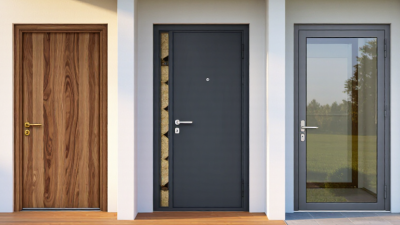
Choosing the best residential door starts with comparing materials and construction, not just appearance. Steel doors offer strong security and stable performance, but exposed edges may develop rust if water enters damaged coatings. Fiberglass resists moisture and can imitate wood grain, although cheaper versions may feel less substantial. Solid wood provides natural warmth and can be repaired, yet it needs regular sealing in humid or rainy climates.

Construction quality often matters more than the material label. Look for insulated cores, reinforced corners, durable hinges, and weather-resistant thresholds. A well-built fiberglass door may outperform a poorly assembled wooden door. Check how the frame connects to the wall, because small installation gaps can cause drafts, noise, and uneven closing. From practical experience, the weakest point is sometimes the installation, not the door itself.

Tips: Match the material to your climate and maintenance habits. Choose an insulated core for colder rooms. Test the door before accepting the installation; it should close smoothly without pushing or lifting. Measure the opening carefully, including the frame and threshold. I once underestimated afternoon sun exposure, and the door expanded more than expected. That mistake changed my view: even attractive materials need a realistic assessment of weather, airflow, and daily use.

Evaluate Energy Efficiency, Security, Durability, and Maintenance

How to Choose the Best Residential Doors for Your Home?

Energy efficiency begins with a tight seal, not an attractive finish. Check the door’s U-factor and air-leakage results before comparing styles. Lower U-factors generally indicate better insulation. Look for continuous weatherstripping around the frame and an insulated core. Stand near the closed door on a windy day. Cold air often reveals gaps that brochures miss. Glass panels need careful attention, especially on west-facing entrances. Low-emissivity glazing can reduce heat transfer, but it may increase the purchase price.

Security depends on the complete entry system. A reinforced frame, quality deadbolt, long screws, and a strong strike plate work together. Hinges should resist forced removal when they sit outside the home. Laminated glass is harder to break through than ordinary glass. Avoid judging security by weight alone. A heavy door can still have a weak frame. Local building requirements may also affect fire ratings, glazing, and installation details.

Durability and maintenance depend on climate and daily use. Fiberglass and properly finished steel often handle moisture better than untreated wood. Wood can perform well, but it needs regular inspection and protective coating. Check the lower edge for swelling, peeling, or trapped water. I once focused on the slab and ignored the threshold; that mistake allowed drafts and early damage. Clean hinges, test the lock, and replace compressed seals when needed. Small checks matter. Choose a door whose upkeep matches your time, weather exposure, and household habits.

How to Choose the Best Residential Doors for Your Home?

Comparative benchmarks for energy efficiency, security, durability, and maintenance

Scores range from 0 to 100 and represent typical material-level performance benchmarks. Higher scores indicate better performance; maintenance is scored for lower upkeep requirements. Actual results depend on insulation, weatherstripping, hardware, installation quality, climate, and exposure.

Match Door Styles, Sizes, Hardware, and Finishes to Your Home

How to Choose the Best Residential Doors for Your Home?

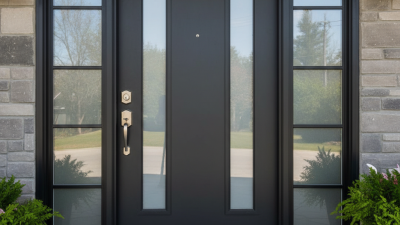
A door should suit your home before it impresses visitors. Consider the building’s age, exterior lines, natural light, and daily traffic. A clean, simple door often fits a modern façade. Raised panels can support traditional architecture. Glass inserts bring daylight, but they may reduce privacy. Small details matter.

Measure the opening, wall thickness, and swing direction before ordering. Measure twice. Record the rough opening, not only the existing slab. I once trusted a single measurement and created an expensive installation delay.

Door height, width, and clearance must also suit furniture movement and accessibility needs. An experienced installer can identify uneven floors, warped frames, or moisture damage that measurements miss. Local safety and fire requirements may affect the door’s construction.

Choose hardware according to use, security, and comfort.

Lever handles help people carrying groceries, while round knobs may suit quieter rooms. Select hinges that match the door’s weight and climate exposure. Finishes should relate to nearby lighting, railings, and window frames. Warm metal can soften a pale exterior; dark finishes create sharper contrast. Test samples outdoors because sunlight changes their appearance. Not every rule fits. A finish that looks elegant in a showroom may show fingerprints constantly at home. Door style, size, hardware, and finish should work together, even when the perfect combination requires compromise.

Check Installation Needs, Building Codes, and Long-Term Value

How to Choose the Best Residential Doors for Your Home?

A beautiful door can still perform poorly if installation needs are overlooked. Measure the rough opening, jamb depth, sill condition, and swing clearance before ordering. A masonry wall needs different anchors than a timber-framed wall. Flashing, shims, insulation, and weatherstripping also affect performance. An experienced installer should check moisture damage around the opening. Do not skip this inspection. Small errors can create drafts, sticking, or water entry within one season.

Building codes should guide the specification, not just appearance. The 2024 International Energy Conservation Code includes energy-performance requirements for residential doors and fenestration. Local authorities may enforce another edition, so confirm requirements before purchase. Ask about fire separation near attached garages, safety glazing, threshold height, and wind resistance in exposed regions. The U.S. Department of Energy recommends controlling air leakage around doors because poor sealing can weaken comfort and energy performance.

Long-term value deserves a realistic view. The National Association of Realtors’ 2022 Remodeling Impact Report estimated 100% cost recovery for steel entry-door replacement and 80% for fiberglass replacement. These figures are market averages, not promises. Material choice, installation quality, climate, and maintenance change the outcome. A low U-factor is not everything. I would also inspect hinges, drainage, finish durability, and replacement-part availability. Sometimes the cheaper door becomes the expensive one. A detailed installer quote should separate the door, preparation, labor, permits, and future maintenance.