How to Choose the Best Exterior Doors for Your Home: A Complete Guide
Choosing the right exterior doors for your home is a crucial decision that goes beyond mere aesthetics; it pertains to security, energy efficiency, and overall curb appeal. As John Smith, a leading expert in the exterior doors industry, puts it, "The right exterior doors not only enhance your home's beauty but also provide protection and energy savings." This comprehensive guide aims to help homeowners navigate through the various options available when they shop exterior doors, ensuring that they make an informed choice that complements their home while also meeting their functional needs.
When considering exterior doors, factors such as material, style, insulation properties, and security features must be taken into account. With an array of choices, from traditional wood to modern fiberglass, each option comes with its own set of advantages and considerations. This guide will break down these elements, helping you understand what to look for and how to select the best exterior doors that suit your personal style and budget.
Ultimately, investing time in selecting the perfect exterior doors can significantly impact the comfort and value of your home. As you embark on this journey to shop exterior doors, remember that the right choice will provide lasting benefits for years to come, making your home not just more beautiful, but also more secure and energy-efficient.
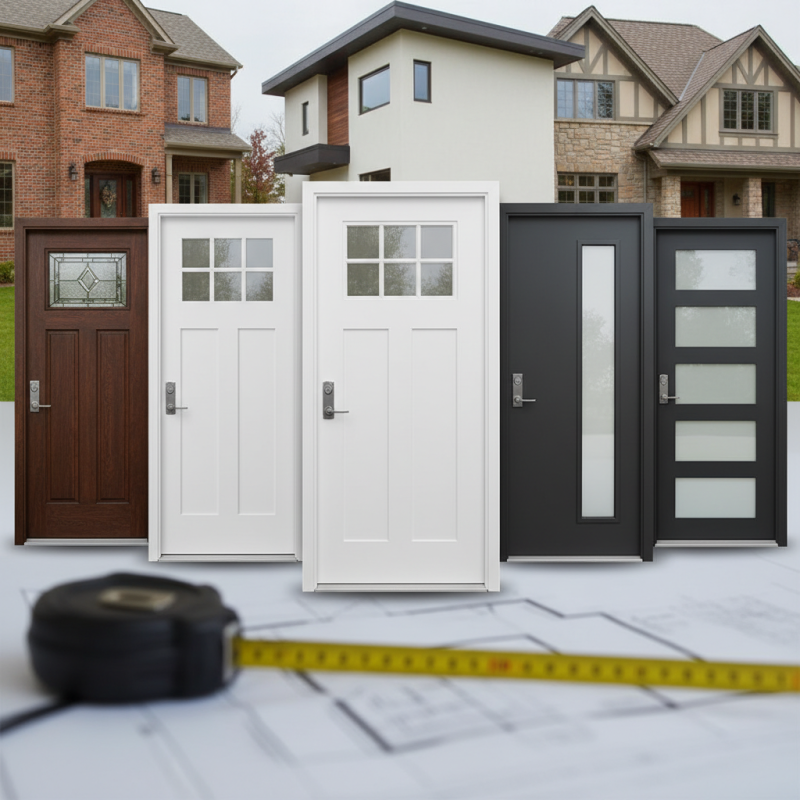
Understanding Different Types of Exterior Doors for Home Use
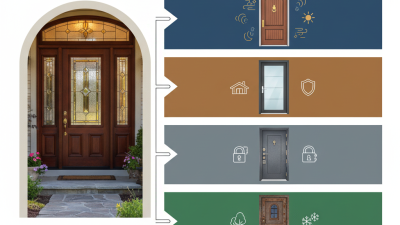
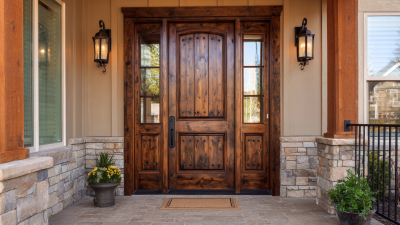
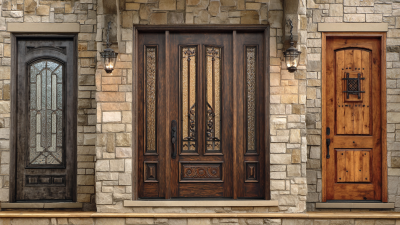
When selecting the best exterior doors for your home, understanding the various types available is crucial for making an informed decision. Exterior doors come in several materials, each offering unique benefits. Wooden doors provide a classic, warm aesthetic and excellent insulation properties. They can be customized easily, allowing homeowners to choose from a range of styles and finishes. However, it's important to consider that they may require regular maintenance to prevent warping and weather damage.
On the other hand, fiberglass doors are gaining popularity due to their durability and resistance to the elements. They can mimic the appearance of wood while providing enhanced energy efficiency and minimal upkeep. Steel doors, known for their strength and security features, are another option to consider. They offer superior resistance to impact and can be insulated for better energy performance. Additionally, steel doors can be finished with a variety of textures and colors, making them versatile for different home designs.
Understanding these options allows homeowners to select an exterior door that not only enhances their home's curb appeal but also meets their security, energy efficiency, and maintenance needs.
Key Factors to Consider When Choosing Exterior Doors
When choosing exterior doors for your home, several key factors must be considered to ensure both functionality and aesthetic appeal. First and foremost, the material of the door plays a crucial role in its durability and maintenance. Common materials include wood, fiberglass, and steel, each offering unique benefits. For instance, wood provides natural beauty and excellent insulation, while fiberglass is known for its resistance to weather and dents. Steel doors, while robust, may require extra attention to protect against rust over time. Evaluating the climate and environmental conditions can help determine the best material for your needs.
Another significant factor is security. The exterior door serves as the first line of defense against intruders, so it’s essential to opt for a design that offers strong locking mechanisms and is built to resist forced entry. Look for doors with multi-point locking systems or those constructed with reinforced materials for added protection. Additionally, consider the energy efficiency of the door; energy-efficient doors can help lower utility bills by maintaining consistent indoor temperatures. Always check the door’s energy rating and seek out features like insulated cores to enhance thermal performance. Balancing these considerations will lead to a well-informed choice that complements your home’s overall design while providing peace of mind.
How to Choose the Best Exterior Doors for Your Home: A Complete Guide - Key Factors to Consider When Choosing Exterior Doors
| Dimension |
Material |
Energy Efficiency |
Security Features |
Aesthetic Appeal |
| 36" x 80" |
Fiberglass |
High |
Multi-point Lock |
Traditional Design |
| 30" x 80" |
Steel |
Moderate |
Reinforced Frame |
Contemporary Style |
| 34" x 80" |
Wood |
Moderate |
Deadbolt Lock |
Rustic Look |
| 32" x 80" |
Composite |
High |
Smart Lock |
Modern Appeal |
Material Options for Exterior Doors: Pros and Cons
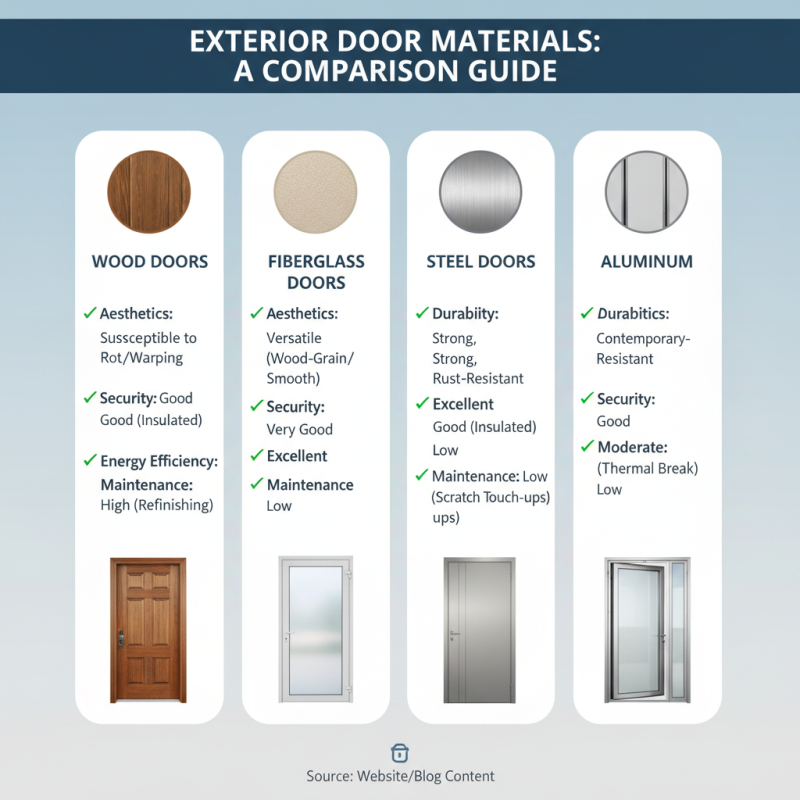
When selecting exterior doors, the material is a critical factor that can impact aesthetics, durability, security, and energy efficiency. Common material options for exterior doors include wood, fiberglass, steel, and aluminum, each of which comes with its own set of advantages and disadvantages.
Wooden doors are often praised for their natural beauty and elegance, providing a timeless appeal that can enhance the curbside character of any home. However, they do require regular maintenance to prevent warping, cracking, and deterioration due to weather exposure. On the other hand, fiberglass doors offer a more durable alternative that mimics the look of wood while resisting dents and rust. They are energy efficient and low maintenance, but may lack the classic charm that natural wood provides.
Steel doors are renowned for their strength and security; they offer excellent resistance against forced entry and are also energy efficient when insulated. However, they can be susceptible to rust if not properly coated and maintained. Lastly, aluminum doors are lightweight and resistant to corrosion, making them suitable for coastal areas. Yet, they may not provide the same level of insulation as wood or fiberglass options. Each material presents unique benefits and drawbacks, and homeowners should assess their individual needs and environmental conditions when making a choice.
Energy Efficiency and Security Features in Exterior Doors
When selecting exterior doors for your home, energy efficiency and security features should be top priorities. Doors play a crucial role in maintaining the temperature of your home, and choosing models with proper insulation can lead to significant energy savings. Look for doors that have a high R-value, which indicates better thermal resistance. Options like solid wood or fiberglass with core insulation can help minimize heat transfer, ensuring your home remains comfortable year-round while reducing reliance on heating and cooling systems.
In addition to energy efficiency, robust security features are essential for protecting your home. Look for doors that incorporate multi-point locking systems, which secure the door at multiple points rather than just one. Reinforced frames and impact-resistant materials can further enhance security, making it difficult for intruders to break in. Additionally, features such as smart locks and video doorbells can provide advanced monitoring capabilities, allowing homeowners to keep an eye on their property from anywhere. By carefully considering these aspects, you can find exterior doors that enhance both the energy efficiency and security of your home.
Energy Efficiency and Security Features in Exterior Doors
This bar chart illustrates the distribution of exterior doors based on energy efficiency ratings (A, B, C) and security levels (High, Medium, Low). It provides a clear comparison to help homeowners make informed decisions.
Style and Aesthetic Considerations for Home Exterior Doors
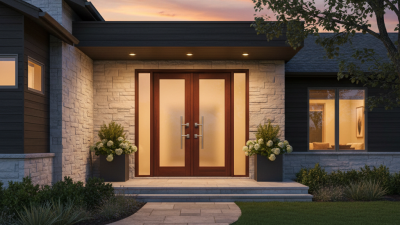
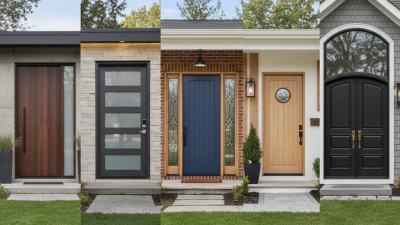
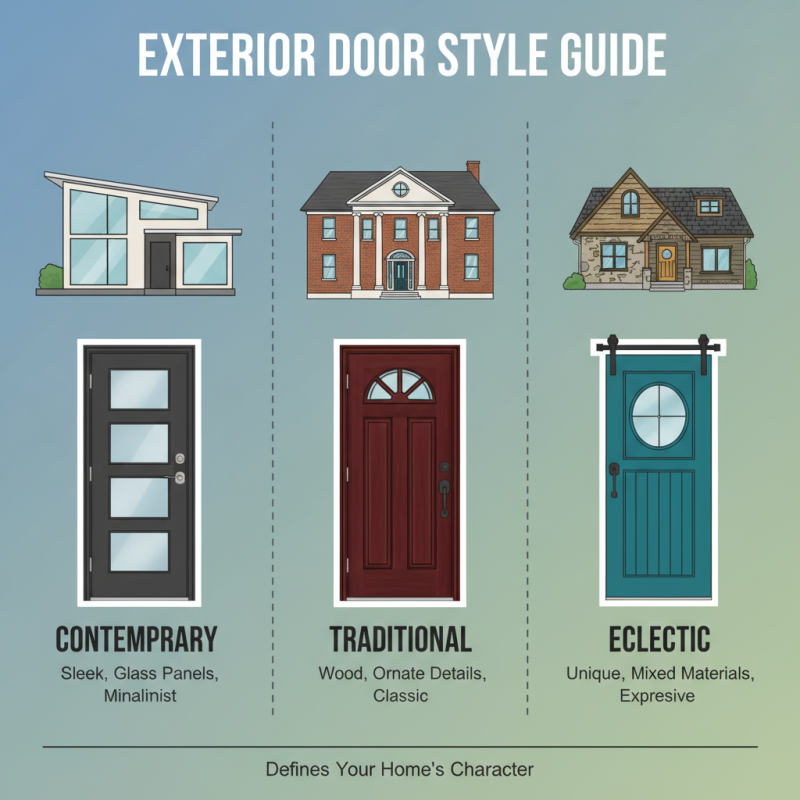
When selecting exterior doors for your home, style and aesthetic considerations play a crucial role in defining the overall character of your property. The front door is often seen as the focal point of your home’s exterior; it sets the tone for what visitors can expect inside. Consider the architectural style of your house—whether it’s contemporary, traditional, or eclectic—when choosing a door. A modern home may benefit from sleek, minimalist designs with large glass panels, while a classic brick or colonial-style house might look best with a sturdy wooden door adorned with intricate details.
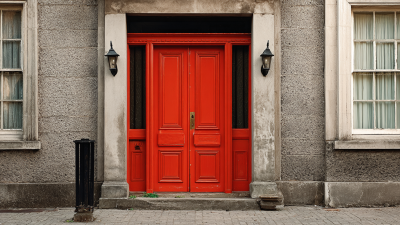
Color and finish are equally important in achieving the desired aesthetic. A bold, vibrant color can make a striking statement, enhancing the curb appeal, while muted tones can create a more sophisticated and inviting atmosphere. Additionally, the choice of hardware such as door knobs and handles can also impact the door’s overall look. Opting for finishes that complement other elements of your exterior, such as windows and siding, will create a cohesive appearance. Ultimately, the right exterior door should reflect your personal style while harmonizing with the overall design of your home.