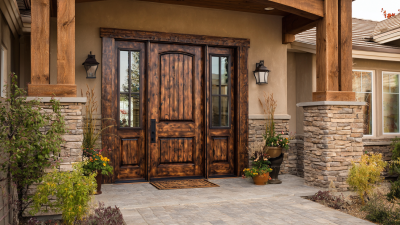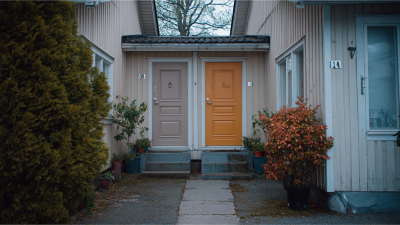
When it comes to safeguarding your home, the significance of selecting the right residential entrance doors cannot be overstated. According to Mark Thompson, a leading expert in home security and the founder of Secure Living Solutions, "Your front door is the first line of defense against intruders; investing in quality residential entrance doors is not just smart—it's essential for your peace of mind." This statement highlights the pivotal role that these doors play in protecting your home and ensuring the safety of your loved ones.
Residential entrance doors serve not only as a barrier to unauthorized entry but also as a critical component in creating a secure environment within your home. The choices you make regarding material, design, and locking mechanisms directly impact your home's vulnerability. In a world where crime rates fluctuate, securing your residence with robust and reliable doors can significantly deter potential threats.
In conclusion, the journey to fortifying your home begins with the selection of the right residential entrance doors. This essential element not only elevates your home's aesthetic appeal but also provides a fundamental level of security. As homeowners, understanding the importance of these doors empowers you to make informed decisions that protect your dwelling and enhance your safety.
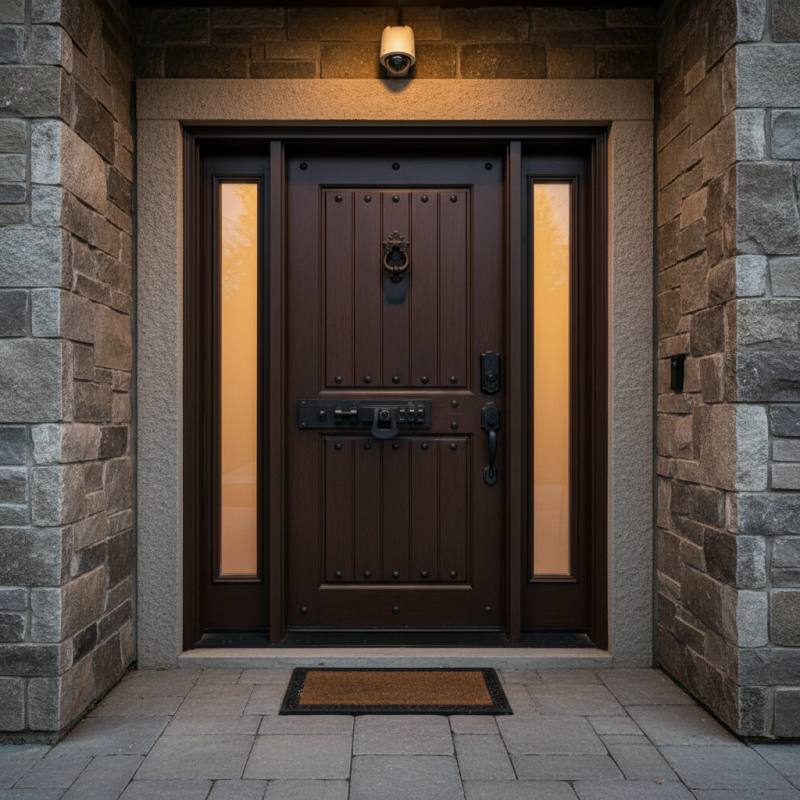
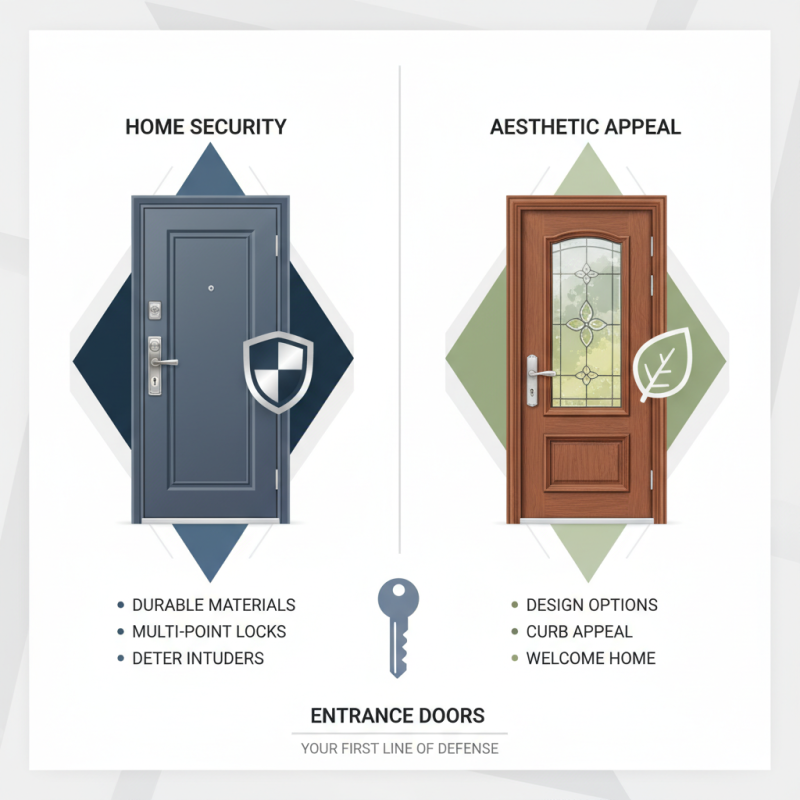
Residential entrance doors are the first line of defense when it comes to home security. Choosing the right door significantly impacts not only the safety of your home but also your peace of mind. High-quality doors made from durable materials can deter potential intruders, while features such as deadbolt locks add an extra layer of protection. An entrance door should offer both aesthetic appeal and robust security, ensuring that your home remains inviting yet secure.
When selecting a residential entrance door, consider opting for solid wood or fiberglass doors, as these materials provide excellent resistance against forced entry. Additionally, ensure that the door frame is sturdy and reinforced, as weak frames can be a point of vulnerability. Another essential tip is to install a peephole or a smart doorbell, allowing you to see who is at the door without opening it, adding to your overall security.
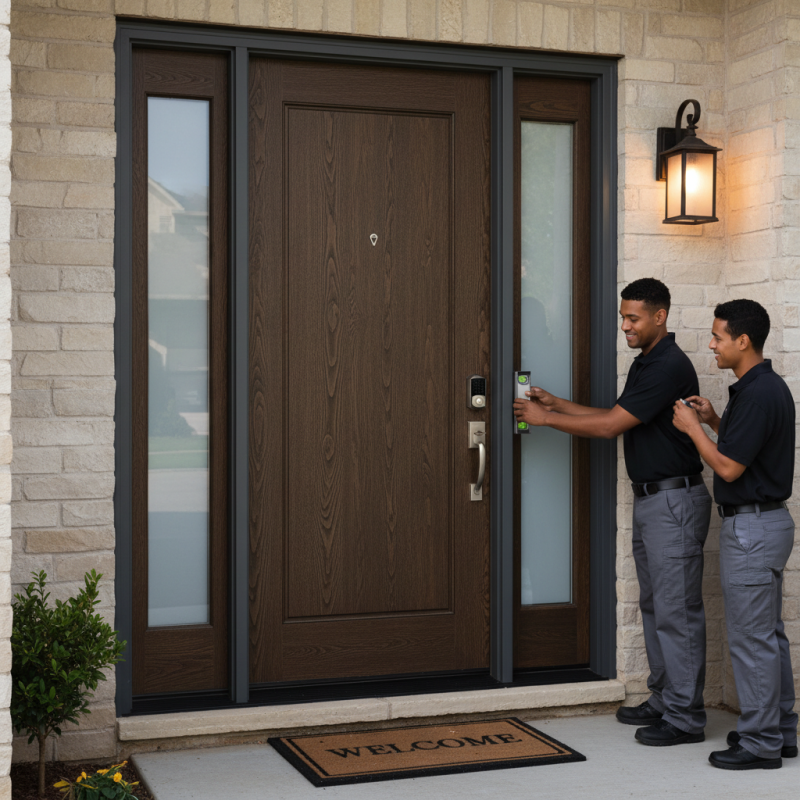
Don’t overlook the importance of proper installation; even the best door won’t provide adequate security if not installed correctly. Hire a professional to install your door, ensuring all hinges and locks are securely fitted. Furthermore, replace worn-out or old locks with high-quality options to bolster your home’s defenses. With careful consideration and the right choices, your entrance door can greatly enhance your home’s security.
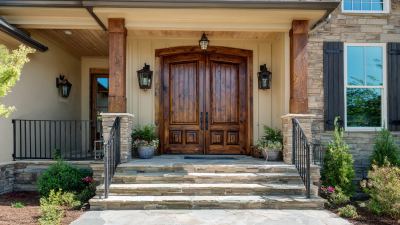
When it comes to securing your home, selecting the right residential entrance doors is essential. One of the key features to look for is the door material. Solid wood, fiberglass, or metal options provide durability and resistance against forced entry. The thickness of the door also plays a significant role; thicker doors inherently offer better security due to their ability to withstand impact. Additionally, consider doors that feature multiple layers of core materials, which not only enhance insulation but also bolster security against break-ins.
Another important aspect is the locking mechanism. Look for entrance doors that are equipped with high-quality deadbolts, as these provide an additional layer of protection. Multi-point locking systems are also becoming increasingly popular, as they secure the door at multiple points along the frame, making it more difficult for intruders to gain access. Furthermore, don't overlook the importance of security features such as reinforced frames and impact-resistant glass. These elements contribute significantly to the overall strength of your entrance doors, ensuring your home remains a safe haven.
When selecting residential entrance doors, understanding the common materials available is crucial for enhancing your home’s security. The most prevalent materials include wood, steel, and fiberglass, each with its own security features and vulnerabilities.
Wooden doors provide a classic, elegant appearance, but their effectiveness largely depends on the quality of the wood used. Solid hardwood doors can offer decent security and resistance to forced entry, while softer woods are more susceptible to damage. It's essential to ensure that wooden doors are properly reinforced with sturdy frames and secure locks to maximize their protective capabilities.
Steel doors are often praised for their superior resistance to impact and forced entry, making them one of the safest choices for residential properties. They’re typically filled with insulation, providing added energy efficiency along with their security benefits. On the other hand, fiberglass doors emulate the look of wood but deliver better durability and resistance to warping or cracking under various weather conditions. Their structural integrity, combined with enhanced locking systems, makes fiberglass doors an increasingly popular option for homeowners aiming to bolster their security while maintaining aesthetic appeal.
| Material | Security Rating | Durability | Cost Range |
|---|---|---|---|
| Steel | High | Very Durable | $300 - $800 |
| Fiberglass | High | Durable | $400 - $1,000 |
| Wood | Medium | Moderate | $200 - $1,200 |
| Aluminum | Medium | Long-lasting | $250 - $700 |
| Vinyl | Medium | Durable | $200 - $500 |
When it comes to ensuring the security of your home, the installation and maintenance of residential entrance doors play a crucial role. To begin with, selecting high-quality materials is essential. Opt for doors made from solid wood, fiberglass, or steel, as these materials provide better resistance against forced entry. Additionally, ensure that the doorframe is reinforced, as weak frames can compromise even the sturdiest doors. During installation, it’s vital to pay attention to the alignment, as improperly installed doors can create gaps that offer easy access for intruders. Consider using a professional installer, as they can ensure that the door is fitted correctly and securely.
Maintenance is another key aspect that cannot be overlooked. Regularly check the hinges, locks, and weather stripping of your entrance doors. Lubricate the locks at least once a year to ensure smooth operation and to prevent them from seizing up. Furthermore, inspect the door for any signs of wear and tear, such as cracks or warping, which can weaken its integrity. Repainting or refinishing the door not only enhances its appearance but also adds a layer of protection against the elements. By diligently focusing on both the installation and maintenance of your residential entrance doors, you can significantly enhance your home’s security and safeguard your peace of mind.
When considering residential entrance door security, it's essential to understand that a door's strength and durability are just the beginning. According to a report from the National Institute of Justice, nearly 34% of burglars enter through the front door, underscoring the importance of not only choosing a robust door but also employing additional security measures. Reinforcement methods such as deadbolts, door jammers, and smart locks can significantly enhance the overall security of your entrance. Deadbolts alone can reduce the risk of unauthorized entry by up to 15%.
In addition to traditional locking mechanisms, investing in smart technology can provide homeowners with peace of mind. A study by the Security Industry Association found that homes equipped with smart locks face 60% fewer break-ins than those relying on standard locks. These devices allow homeowners to monitor access remotely and receive alerts about any suspicious activities. Furthermore, installing a solid core or fiberglass door can improve resistance against impacts. Coupling this with security cameras and motion-sensor lights around entry points can create a formidable deterrent against potential intruders, ensuring that your home remains a safe sanctuary for you and your family.
This chart illustrates the effectiveness of various entrance door security features. A deadbolt lock and smart lock provide the highest level of security, while additional measures like security cameras and alarm systems also contribute to enhancing home protection.