How to Choose the Right Architectural Glass for Your Project?
Choosing the right Architectural Glass for your project is essential. It can greatly impact aesthetics and functionality. However, the options available can be overwhelming. Understanding the key properties of different types of glass is crucial.
Architectural Glass comes in various forms, each serving unique purposes. Selecting the right type involves considering factors like energy efficiency, safety, and design. A beautiful facade requires not just style, but also durability and insulation. Often, decisions are influenced by budget limits and design constraints, which can lead to compromises.
Many overlook the importance of consultation with experts. Engaging with architects and suppliers can provide valuable insights. Their experience helps navigate options effectively. Ultimately, the right Architectural Glass enhances a project’s value and performance. Making informed choices is key to achieving successful results.
Understanding the Different Types of Architectural Glass Available
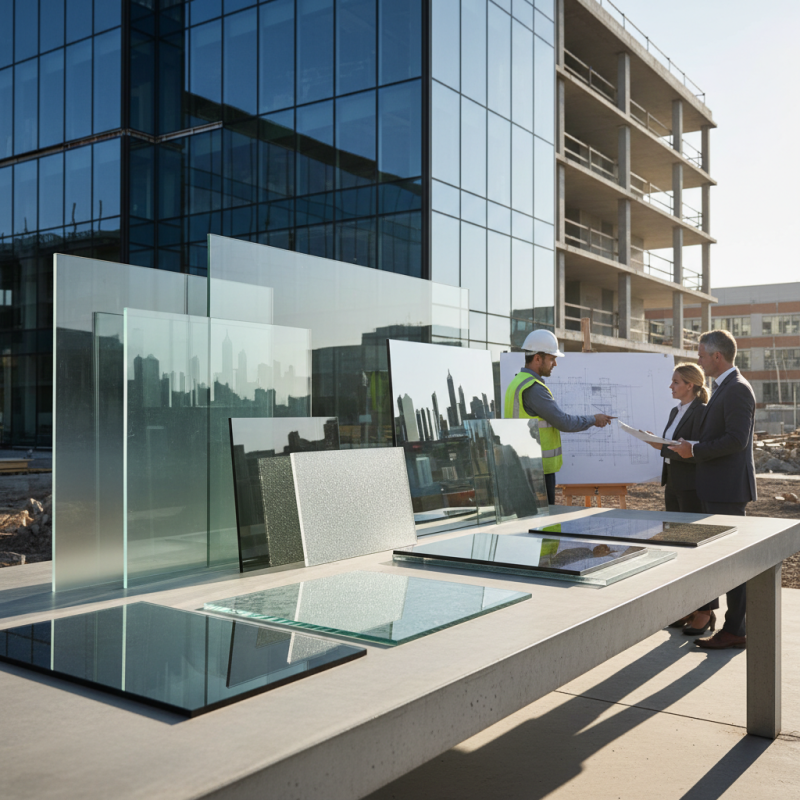
Choosing the right architectural glass involves understanding various types available on the market. Float glass is a common choice, known for its clarity. It’s made by floating molten glass on tin. This process results in a smooth, even surface, ideal for windows and façades.
Additionally, tempered glass is a toughened alternative. It can withstand high stress and thermal changes. This type is often used in areas that require safety and durability. Laminated glass features interlayers between sheets, providing extra protection against impacts and noise. This is essential for busy urban environments.
Not all glass types perfectly suit every project. Consideration for climate, location, and building use is crucial. Each glass type has its pros and cons, requiring thoughtful evaluation. Assessing these factors can be challenging, but it enhances the overall design. Always seek expert advice when in doubt to ensure you achieve the best results.
How to Choose the Right Architectural Glass for Your Project?
| Type of Glass | Thickness (mm) | Common Uses | Advantages | Disadvantages |
| Tempered Glass | 6-12 | Windows, Facades | High strength, Safety | Can shatter into small pieces |
| Laminated Glass | 6-25 | Skylights, Glass floors | Impact-resistant, UV protection | Heavier, More expensive |
| Low-E Glass | 4-12 | Energy-efficient windows | Energy savings, UV protection | Costlier than regular glass |
| Insulated Glass | 16-24 | Windows, Curtain walls | Improved thermal performance | Can fog between layers |
| Frosted Glass | 6-12 | Bathroom windows, Partitions | Privacy, Aesthetic appeal | Reduced light transmission |
Factors to Consider When Choosing Architectural Glass for Your Project
When selecting architectural glass, several factors must be taken into account. Transparency and aesthetics are crucial. Consider how the glass will enhance the overall design. Different glass types reflect light differently. This can create stunning visual effects. Yet, it can also lead to glare, which might be uncomfortable. Think about how light interacts with the space.
Durability is another key factor. Not all glass withstands the elements equally. Some are more resistant to impact or weather conditions. If you're in a high-risk area, that's essential. Low-maintenance options may seem appealing but could require more care in the long term. Evaluate the life cycle of the glass you choose.
Witnessing flaws in glass choices can happen. For example, insulation properties often go overlooked. Poor choices can lead to increased energy costs. This isn’t just an initial decision; it can impact long-term sustainability. Therefore, seek advice from professionals knowledgeable in glass specifications. A collaborative approach often yields the best results for your project.
The Importance of Glass Performance Characteristics in Architectural Design
Choosing the right architectural glass is crucial. The performance characteristics of glass significantly impact building design. According to a report from the National Glass Association, over 75% of energy consumption in buildings is related to windows and glass facades. This highlights the need to assess thermal insulation, solar control, and acoustic performance.
Thermal insulation is vital for energy efficiency. Clear or poorly performing glass can lead to heat loss. In colder climates, windows account for nearly 30% of heating needs. Solar control minimizes glare and overheating. Low-E (low emissivity) glass can reduce solar heat gain by up to 70%. However, it can also impact daylight. Designers often grapple with this trade-off.
Acoustic performance is another consideration. In urban environments, noise pollution can disrupt comfort. Double or triple glazing can reduce external noise by 30-50%. However, the added weight and structural demands need evaluation. Understanding these performance characteristics is essential for successful architectural projects. Balancing aesthetics with functionality remains challenging in glass selection.
Aesthetic and Functional Considerations in Selecting Architectural Glass
Choosing the right architectural glass for your project involves balancing aesthetics and functionality. The glass's color, texture, and transparency play crucial roles in the overall design. A building's facade can be dramatically enhanced with vibrant hues or artistic patterns. However, these aesthetic choices can sometimes compromise natural light or the building's energy efficiency. Striking a balance is essential.
Functionality cannot be overlooked. The glass must meet safety standards and climate considerations. For instance, tempered glass is strong but may not always fit a specific design vision. Reflective glass can create stunning visuals but may contribute to **glare issues**. Each project needs a careful assessment of these factors. Reflecting on project goals and long-term impact is vital. What looks appealing today may not serve the building's intent tomorrow. Choosing wisely ensures a harmonious blend of beauty and practicality.
Common Applications and Best Practices for Architectural Glass Usage
Architectural glass is essential in modern construction. It enhances aesthetics and functionality. According to the Glass Association, over 50% of commercial buildings use glass facades. This statistic highlights the growing trend towards transparency and light in architecture. However, the choice of glass must align with its application to ensure safety and efficiency.
Common applications include curtain walls, skylights, and interior partitions. Each application demands different glass types. For instance, tempered glass is ideal for high-impact areas. It is about five to seven times stronger than regular glass. Laminated glass offers improved safety as well. It holds together when shattered, minimizing injury risks. In locations vulnerable to severe weather, insulated glass can enhance energy efficiency.
Best practices in glass selection involve assessing environmental factors and structural requirements. Consider thermal performance, UV protection, and sound insulation. Yet, many projects overlook these elements. A study by the National Glass Association reveals that up to 20% of building issues stem from inadequate glass specifications. Ensuring that choices reflect project needs remains critical for successful outcomes.
Common Applications of Architectural Glass