How to Choose the Best Residential Front Doors for Your Home?
Choosing the right residential front doors is essential for both aesthetics and security. According to expert Laura Stevens, “Your front door is the face of your home.” This statement encapsulates the importance of making an informed decision.
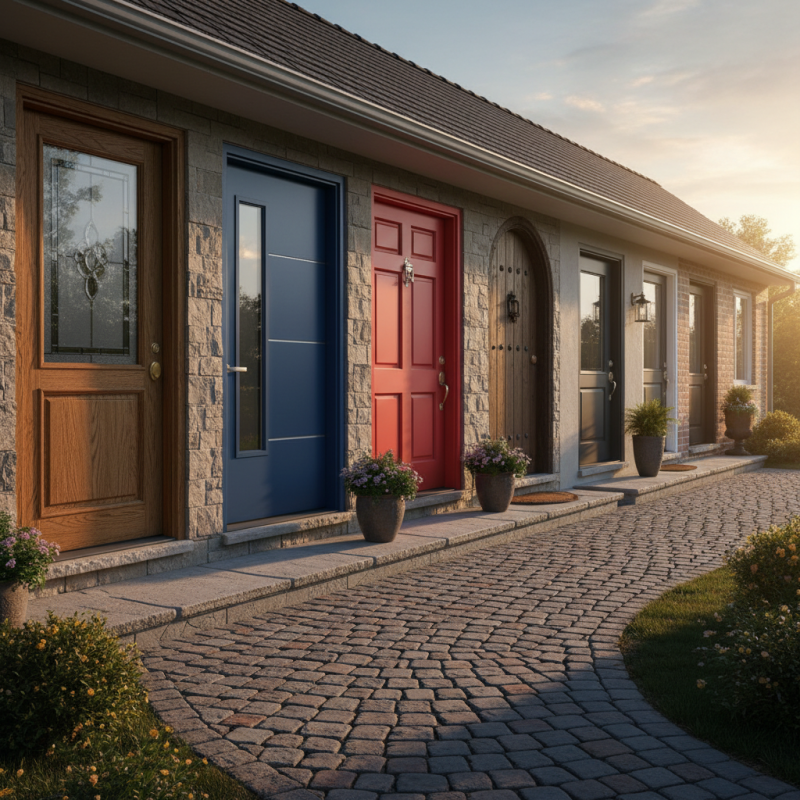
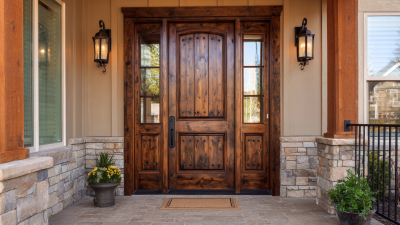
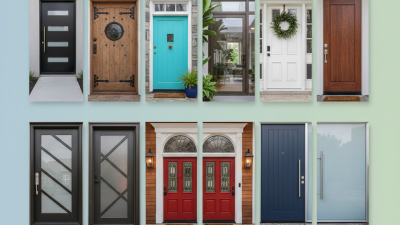
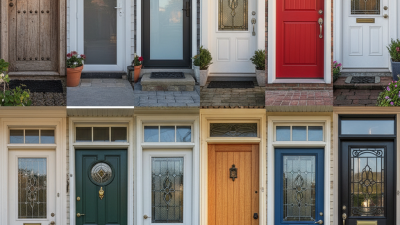
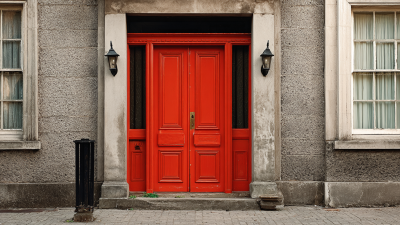
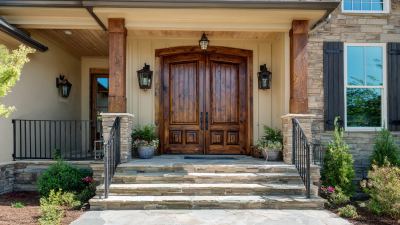
Residential front doors come in various materials, styles, and colors. Wood offers warmth, while fiberglass provides durability. Consider your home’s architectural style and the overall curb appeal. Each choice impacts how guests perceive your house. A well-chosen door can create a welcoming atmosphere, while a poorly selected one might detract from it.
It’s crucial to reflect on functionality too. Do you need extra security features? Are you looking for energy efficiency? Often, people overlook these factors. Instead, they focus solely on appearance. Ultimately, making an informed choice about residential front doors can elevate your home's overall character while ensuring safety.
Factors to Consider When Selecting Residential Front Doors
Choosing the right front door for your home is essential. It impacts curb appeal and security. Consider the materials first. Common choices include wood, fiberglass, and steel. Wooden doors offer warmth but need regular maintenance. Fiberglass is low-maintenance and energy-efficient. Steel doors provide excellent security but can be prone to dents.
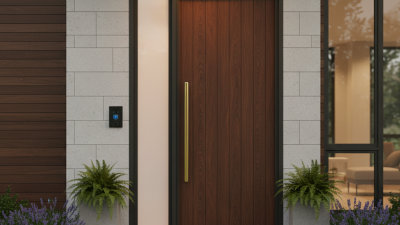
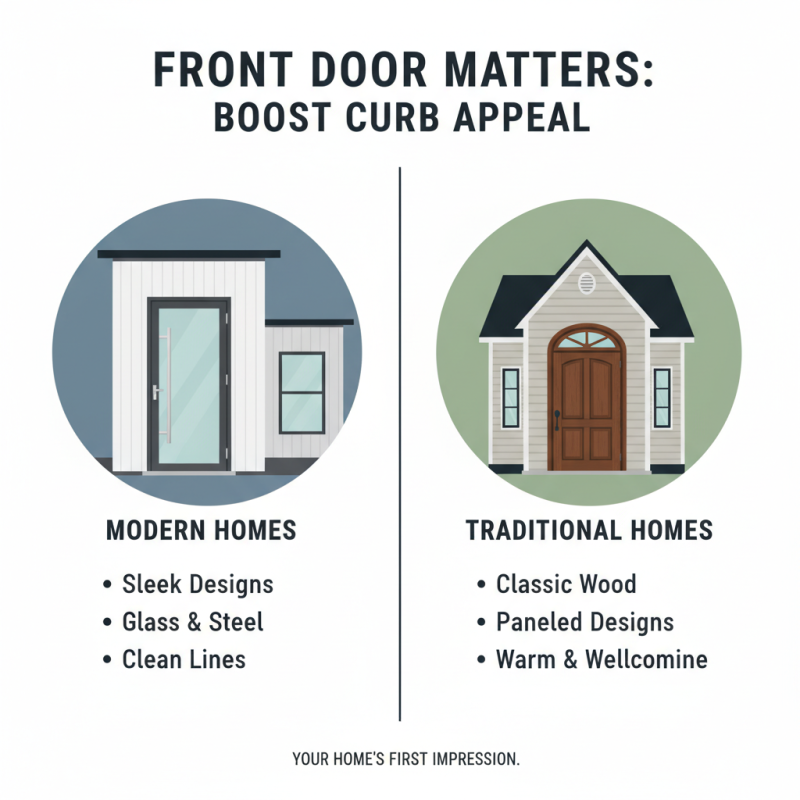
Next, think about style and color. Your door should complement your home's architecture. A modern home might benefit from sleek lines, while a traditional home may look best with ornate designs. Don’t forget about hardware. Elegant knobs and handles can enhance the overall look.
Security features are vital in today’s world. Look for doors with high-quality locks. Reinforced frames can provide additional protection. Also, energy efficiency is a concern. Check the door's insulation rating. Some choices might seem great but could lead to higher energy bills. Aesthetics are crucial, but practicality shouldn’t be overlooked. Balance beauty with functionality.
Materials for Front Doors: Pros and Cons Compared
Choosing the right material for your residential front door is essential. Each option has its own set of pros and cons.
Wood doors present a classic charm. They add warmth and aesthetic value. However, they can warp or crack over time.
You may also need to refinish them regularly to maintain their appearance.
Fiberglass doors are a popular alternative. They offer good insulation and require less maintenance than wood. Their lifelike textures mimic wood grain. Yet, they may not provide the same upscale feel.
Metal doors, like steel, are durable and secure. They withstand harsh weather. But scratches and dents can be an issue. The finish may fade, needing touch-ups.
It's crucial to weigh these factors. Think about your home's style and the climate. Consider how much time you can devote to maintenance.
Budget constraints also play a role. Sometimes, the right choice isn't just about looks but practicality as well.
Your front door represents your home; make it count.
Energy Efficiency: Choosing Doors for Better Insulation
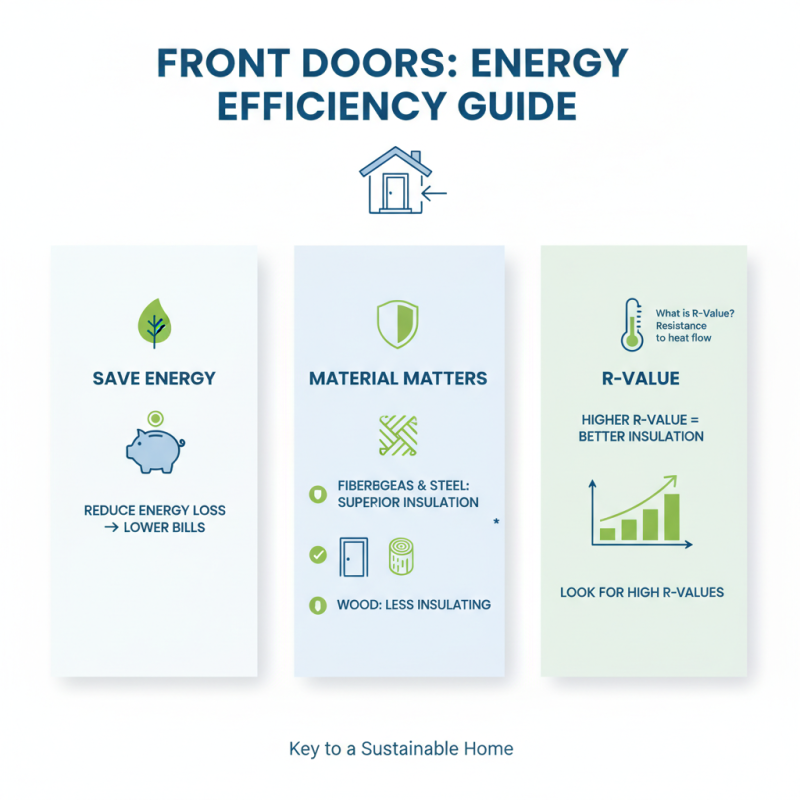
When selecting front doors, energy efficiency plays a crucial role. A well-insulated door reduces energy loss. This leads to lower heating and cooling bills. Consider materials like fiberglass or steel, which often provide better insulation than wood. Look for doors with high R-values. A higher R-value means better insulation.
Pay attention to the door’s fit as well. Gaps can cause air leaks, undermining insulation. Test the door’s seal during installation. A drafty door can negate your energy savings. It’s essential to ensure the frame aligns perfectly with the door itself. Sometimes, aesthetics take precedence over functionality, leading to regrettable choices.
You might also want to explore triple or double glazing for windows in doors. This adds another layer of insulation. However, keep in mind that these options can be pricier upfront. Reflect on how much you value long-term savings. Energy-efficient doors not only enhance comfort but also reduce your carbon footprint.
Security Features to Look for in Front Doors
When selecting the best front door for your home, security is crucial. Look for solid construction. Materials like fiberglass or steel offer great strength. They resist impact and deter forced entry. A door with a multi-point locking system adds an extra layer of security. This feature secures the door at multiple points, creating a tighter seal.
Also, consider the importance of hinges. They should be heavy-duty and positioned on the inside. This makes it harder for intruders to remove them. Look for doors with a reinforced frame, as it adds stability. Some doors offer security plates to protect the lock area. These can help prevent drilling or tampering.
Glass inserts may look attractive but can pose risks. Choose tempered glass or those with security films for added protection. These options help minimize breakage and deter entry. Regular maintenance is also essential. Check seals and hardware periodically to ensure they function properly. A small oversight here can compromise your home's safety.