Why Choose 3D Fibre Laser Machines for Your Business Needs?
In today's competitive market, businesses seek innovative solutions to enhance productivity. 3d Fibre Laser Machines stand out as a pivotal tool in modern manufacturing. Their precision and speed redefine how products are created and customized.
These machines offer unmatched efficiency. They can cut through various materials with incredible accuracy. Many industries, from automotive to aerospace, benefit from this technology. However, investment in such machines requires careful consideration. Not every business may fully utilize their capabilities.
Understanding the specific needs of your operations is essential. The right technology should align with your production goals. While 3D Fibre Laser Machines present numerous advantages, assessing your situation is vital. Adopting advanced technology can be a double-edged sword.
Advantages of 3D Fibre Laser Machines for Modern Manufacturing
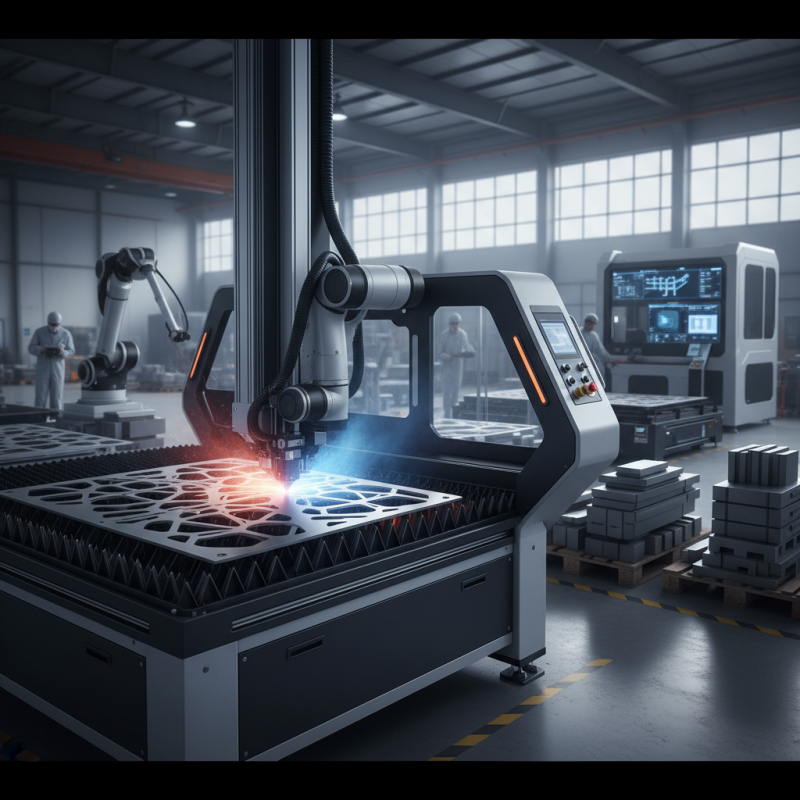
3D Fibre Laser Machines are revolutionizing modern manufacturing. They offer precision and efficiency that traditional methods often lack. This technology uses advanced laser systems to cut, engrave, and mark various materials. As a result, businesses can achieve intricate designs with minimal waste. The speed of these machines reduces production time significantly, making them ideal for high-volume tasks.
One notable advantage is their versatility. They can work with metals, plastics, and composites. This capability allows companies to explore diverse projects without investing in multiple machines. However, adaptation may require training and experience. Not all operators feel comfortable transitioning to this technology. Additionally, maintenance is crucial for optimal performance. Ignoring regular upkeep can lead to downtime and costly repairs. Ensuring reliability demands attention but can pay off in the long run.
The initial investment may seem daunting, but the long-term benefits are clear. Businesses that leverage 3D fibre lasers often report increased productivity and innovation. This approach encourages manufacturers to push the boundaries of design and efficiency. Even though challenges exist, the potential for growth and improvement is substantial. Embracing this technology could be a critical step in staying competitive in the market.
Key Features of 3D Fibre Laser Technology Explained
3D fibre laser technology is revolutionizing manufacturing processes. This innovative approach enhances precision and efficiency, crucial for competitive markets. According to industry reports, companies that adopt this technology increase their production rates by up to 30%. This improvement is vital in today's fast-paced environment where every second counts.
Key features of 3D fibre lasers include their adaptability to various materials. These machines can cut metals, plastics, and composite materials, providing versatility. Their ability to maintain high energy efficiency reduces operational costs, which is a significant advantage. A study indicated that businesses can save nearly 25% on energy costs by switching to fibre lasers compared to traditional methods.
Despite these advantages, businesses must be cautious. Initial investments in 3D fibre laser machines can be substantial. Moreover, improper use may lead to defects, affecting product quality. Continuous training is essential to maximize benefits. The learning curve can be steep, but the long-term gains often outweigh early challenges. Exploring these intricacies ensures a thorough understanding of 3D fibre laser technology's potential.
Industry Applications of 3D Fibre Laser Machines
3D fibre laser machines have become essential in various industries. They offer precise cutting, engraving, and marking capabilities. These machines are highly versatile and effective in handling diverse materials like metal, plastic, and wood. Many manufacturing sectors use 3D fibre lasers to improve efficiency.
In the automotive industry, for instance, these machines enable complex designs and rapid production. They enhance precision in creating parts, reducing waste and operational costs. The aerospace industry also benefits greatly from 3D laser technology. They use it for fabricating intricate components that require high standards.
Tips: When selecting a 3D fibre laser machine, consider the material you'll work with. Research compatibility before making a decision. Ensure your workspace has adequate ventilation. Proper air filtration can extend the lifespan of your equipment. Continuous training for your staff is also vital.
In the electronics sector, the ability to mark and engrave small components is crucial. Customization options offered by 3D fibre lasers make them appealing. However, companies should evaluate their production needs. Investing in equipment that exceeds demand can be a costly mistake. Balancing technology with actual needs helps ensure smart operations.
Cost Efficiency and ROI of Using 3D Fibre Lasers
When considering the use of 3D fibre laser machines, cost efficiency emerges as a critical factor. These machines reduce operational costs through higher energy efficiency and lower maintenance needs. The precision of 3D fibre lasers minimizes material waste, leading to significant savings in raw materials. Over time, businesses can anticipate a stronger return on investment (ROI) compared to traditional laser cutting methods.
Furthermore, the versatility of 3D fibre lasers allows companies to handle various materials and complex designs without the need for extensive retooling. This adaptability can enhance productivity and reduce downtime. However, businesses should be aware of the initial investment. Balancing this upfront cost against long-term savings requires careful analysis.
In some cases, companies may find themselves overwhelmed with operational changes that come with integrating new technology. Training staff and adapting workflows can be challenging. Nonetheless, those who take the time to reflect on these aspects often reap the long-term benefits. Embracing the complexities of 3D fibre laser technology can lead to improved efficiency and profitability if managed correctly.
Future Trends in 3D Laser Cutting Technology and Business Adaptation
3D laser cutting technology is rapidly evolving. Businesses must adapt to stay competitive. According to a report by MarketsandMarkets, the global market for 3D laser cutting is projected to reach $1.5 billion by 2026. This growth highlights the need for companies to integrate advanced equipment.
Today, 3D fibre laser machines provide precision and versatility. They can cut various materials, from metals to plastics. This flexibility attracts industries like aerospace and automotive. A recent study noted that 60% of companies using 3D laser technology reported increased efficiency in production. This increase often translates to lower operational costs and faster turnaround times.
However, some businesses struggle with the transition. Investing in new technology can be daunting. Employees may require training, leading to initial slowdowns. Moreover, selecting the right machine involves understanding specific business needs. Companies should analyze current trends, such as automation and integration with AI. The future of 3D laser cutting will likely focus on improved efficiency and sustainability, compelling businesses to rethink their strategies constantly.