How to Choose the Best Outdoor Doors for Your Home?
Choosing the best outdoor doors starts with the conditions they must handle: driving rain, direct afternoon sun, winter drafts, and daily use. A door that looks impressive in a showroom may feel less suitable when its frame swells or its glass faces harsh sunlight. Consider the entry’s exposure, required clearance, privacy, and maintenance before comparing finishes. Small details matter. A deep porch may protect a wood door, while a wind-exposed entrance may call for a durable, well-sealed system. No material is perfect, and the right choice depends on the home.
Industry data can help, but it needs careful interpretation. Remodeling magazine’s 2024 Cost vs. Value report estimated that a steel entry-door replacement recouped 188.1% of its project cost in its national comparison. That figure reflects estimated resale value, not a guarantee of savings, durability, or performance in every market. It is a useful signal, not a verdict. For energy performance, look for the door’s certified U-factor and other label details, and compare them with your climate and installation conditions. ENERGY STAR’s product criteria also show why climate-specific ratings matter.
This guide explains how to weigh materials, insulation, glazing, security features, and upkeep when selecting outdoor doors. It also points out questions worth asking an installer, such as how the threshold will be sealed and whether the frame suits the existing opening. A beautiful slab cannot fix a poor fit. The best choice balances appearance with measurable performance—and leaves room to reconsider priorities as your needs change.
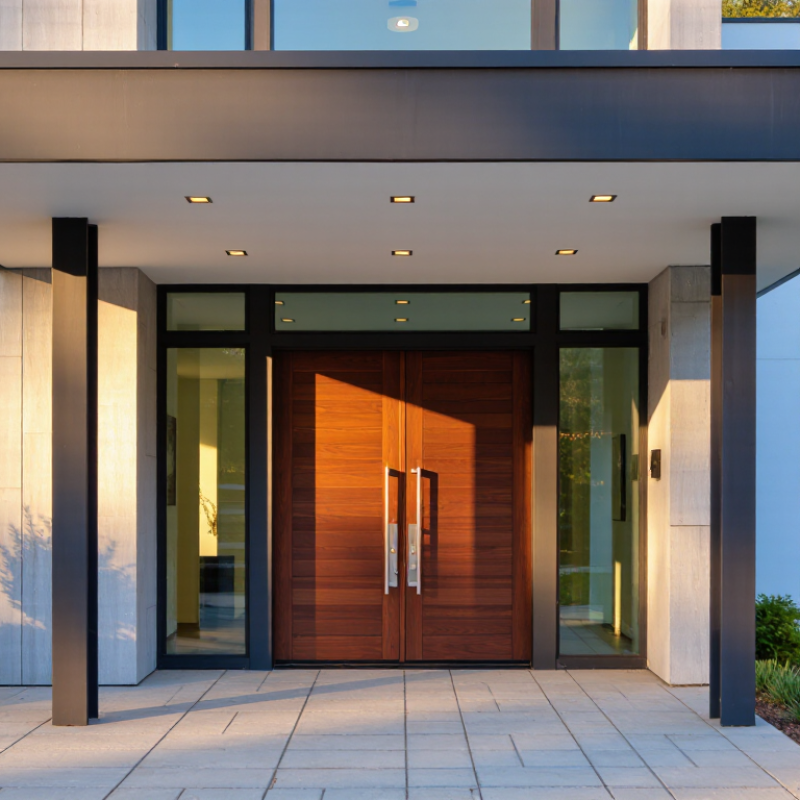
Define Your Home’s Needs and Outdoor Door Requirements
Before comparing styles, note how the doorway works in daily life. Does it lead to a busy patio, a quiet side yard, or a balcony exposed to wind? Track who uses it, whether hands are often full, and how much clear floor space remains indoors. A hinged door needs swing space; a slider can preserve a narrow walkway, but its track needs regular cleaning. Small details matter.
Next, consider local weather and the wall around the opening. Strong afternoon sun may make shaded glazing more comfortable. Wind-driven rain makes seals, sill drainage, and installation quality especially important. Check whether the frame and glass suit your climate, and ask how the complete assembly handles heat loss and condensation. Security also depends on sound locks, sturdy hinges, and a frame anchored correctly—not just thick glass. Measure the rough opening, threshold height, and nearby furniture before ordering; uneven floors can complicate an otherwise simple replacement. Measure twice. It is easy to overlook the handle swing until a cabinet blocks it.
Choose an Outdoor Door to Match Your Home’s Needs
Typical nominal widths can help you compare door styles when planning an entry or patio opening.
The chart shows common U.S. nominal-width examples: a single exterior door is often 36 inches wide, while double French and sliding patio doors are often 72 inches wide. Actual sizes vary, so check the product dimensions and your rough opening before choosing.
Compare Door Materials, Designs, and Opening Configurations
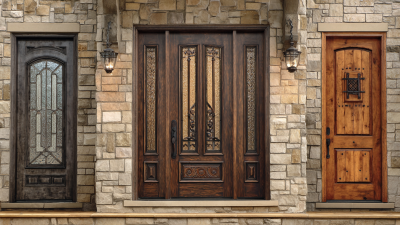
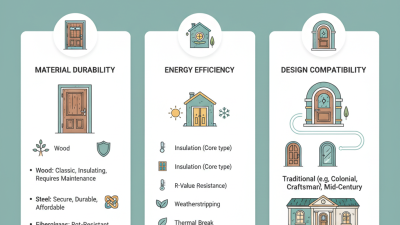
Outdoor doors face rain, sun, temperature shifts, and daily traffic, so material choice affects more than appearance. Wood offers warmth and can be repaired, but exposed finishes may need regular attention. Fiberglass resists moisture and often needs less upkeep; steel can feel sturdy, though dents and surface damage deserve consideration. Check the door’s insulation rating, weather seals, and threshold details—not just its color. Small gaps matter.
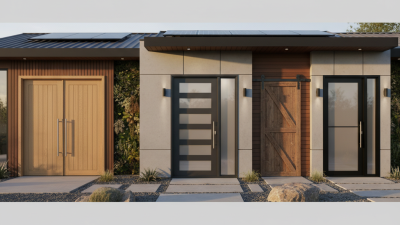
Design should suit both the house and the doorway. A glazed panel can brighten a dim entry, while clear sightlines may reduce privacy. Frosted or divided glass offers a middle ground. For coastal or very sunny settings, ask how the finish and hardware handle local exposure. A beautiful door that needs constant refinishing may not be the right fit.
Opening configuration changes how a room works. A hinged door needs clear floor space and should swing away from busy paths when practical. Sliding doors save that space, but their tracks need cleaning and their opening may be narrower than expected. Folding panels create a broad connection to a patio, yet require room to stack and careful installation. Measure the opening, nearby furniture, and step height. Measure twice. It is easy to overlook a low beam or a chair’s path. Compare the full installed setup, including seals, hardware, and maintenance, before deciding.
Evaluate Energy Efficiency, Weather Resistance, and Security
How to Choose the Best Outdoor Doors for Your Home?
A good outdoor door should help keep indoor temperatures steady, resist local weather, and make entry harder to force. Check its energy rating and insulation, not just the material. A low U-factor generally indicates less heat transfer, while tight weatherstripping can reduce drafts around the frame. Details matter. Inspect the complete door assembly, including the threshold and glass panels, since weak seals can undermine an otherwise efficient door.
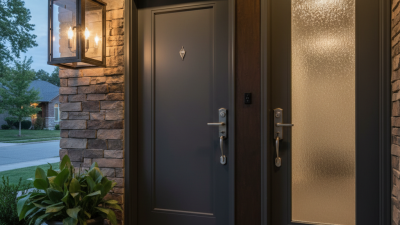
Weather resistance depends on your climate and the door’s exposure. A south-facing entrance may get intense sun, while a sheltered porch has different demands. Look for durable finishes, well-sealed joints, and a threshold that directs water away from the interior. For security, check the lock quality, frame strength, and how firmly the door closes. A strong door can still feel vulnerable if its frame or strike area is flimsy. It is easy to prioritize appearance; I’d also consider the upkeep I can realistically manage.
Tips: On a windy day, feel around the closed door for drafts. Check that the latch engages smoothly and the frame has no visible gaps. Ask an installer how the sill will handle rain, and review care instructions before choosing a finish.
Measure the Doorway and Check Installation Requirements
Measure the doorway before comparing outdoor doors. Record the width at the top, middle, and bottom, then use the smallest measurement. Check the height on both sides and in the center. Measure jamb depth, too. A tape measure can miss a bowed frame, so check both diagonals and note any difference. Older homes are rarely perfectly square. That matters.
Also inspect the floor, threshold, and surrounding trim. A sloped sill or deep exterior cladding may require adjustments to the frame or flashing. Leave installation clearance only as specified by the door instructions; oversized gaps can complicate sealing.
The U.S. Department of Energy’s Energy Saver guidance estimates that air leakage can account for 25–40% of heating and cooling energy use in a typical home. A careful fit helps limit drafts, though it cannot correct every insulation problem. ASTM International’s E283 test measures air leakage through doors at specified pressure differences, including 75 Pa. That laboratory figure helps compare tested products; it does not guarantee the same result after installation.
Before ordering, confirm the rough-opening dimensions, hinge side, swing direction, and whether the existing frame can remain. One last check helps. Re-measure after removing trim if the opening is irregular; my first measurements would not be enough.
Compare Costs, Warranties, and Long-Term Maintenance Needs
An outdoor door’s price is only the starting point. Compare the full installed cost, including the frame, weather sealing, hardware, and any changes to the opening. A lower quote may omit removal or finishing work. Ask for those items in writing. It helps prevent a surprise invoice later.
Warranty length matters, but coverage matters more. Check whether the warranty includes the frame, finish, glass, and labor, and note what could void it. Sun exposure, coastal air, and poor installation can affect performance. Keep your receipt and care records. Read the exclusions. A long warranty is not automatically the better deal.
Think about maintenance over several seasons. Wood may need periodic sealing or repainting, especially where rain reaches the lower edge. Fiberglass and steel often need less routine care, though seals and hinges still deserve inspection. Wipe dirt from the threshold and look for cracked caulk after heavy weather. These small tasks are easy to postpone. I’ve found that the “lowest upkeep” choice still needs attention, and local exposure can change the calculation. Compare expected upkeep with the upfront price before deciding.