How to Choose the Best Led High Bay Light for Your Needs?
Choosing the right LED high bay light can significantly affect your industrial or commercial space. Renowned lighting expert John Smith emphasizes, "The right lighting not only enhances visibility but also saves energy." Selecting the best LED high bay light requires understanding your specific needs.
These lights vary in wattage, lumens, and beam angles. Each factor influences brightness and energy efficiency. A common mistake is overlooking the ceiling height and layout of the area. For example, a warehouse with tall ceilings may need more intense lighting than a low-ceiling gym.
Considering installation and maintenance is also critical. Some fixtures are easier to install and require less upkeep than others. Remember, durability matters. A reliable LED high bay light can reduce long-term costs and improve safety by providing consistent illumination.
Understanding LED High Bay Lights and Their Applications
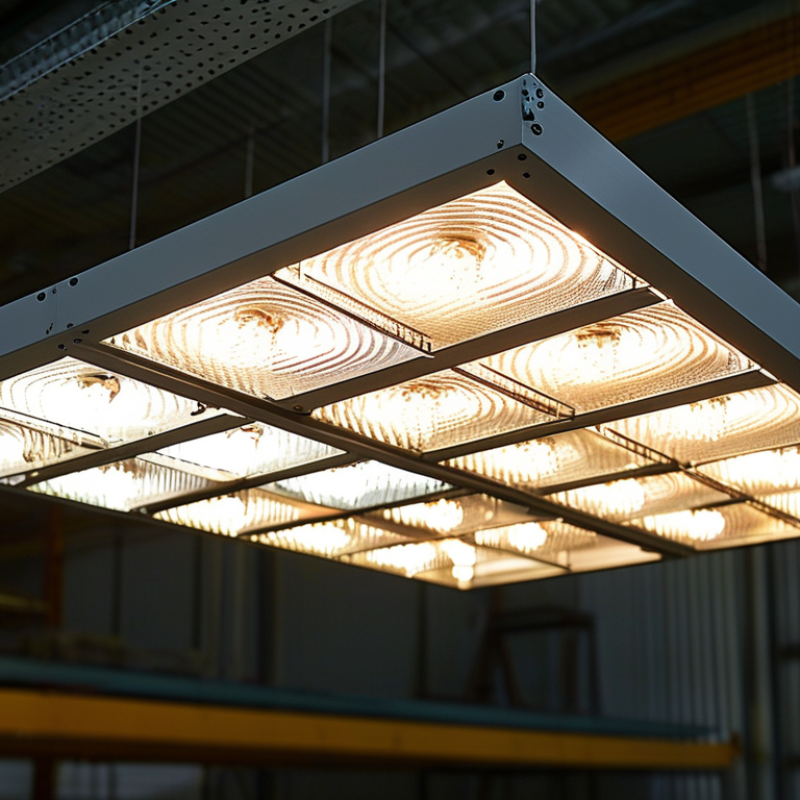
LED high bay lights are essential for various large indoor spaces. They are designed for warehouses, gyms, and retail stores. Such lights provide bright, focused illumination. Understanding their applications helps in selecting the right fixture for specific needs.
When considering LED high bay lights, think about the ceiling height. The height influences the brightness level needed. Lower ceilings may require lesser lumens, while higher spaces need powerful lights. Placement is crucial, too. Proper positioning ensures even light distribution without dark spots.
Different environments call for various beam angles. For instance, a narrow beam angle is effective in high ceiling spaces. A wider angle suits larger areas needing broad light coverage. Reflective surfaces can enhance light efficiency, but they may create unwanted glare. It’s vital to evaluate these aspects carefully. Consider the work being performed under the lighting. The right choice can enhance productivity and safety, while mistakes may lead to poor visibility or excessive energy use.
How to Choose the Best LED High Bay Light for Your Needs?
| Parameter | Description | Recommended Value |
| Wattage | Power consumption of the light. | 100-400 W |
| Lumens | Amount of light output. | 10,000-50,000 lm |
| Color Temperature | The color of the light emitted. | 4000K-5000K |
| Beam Angle | The spread of light from the fixture. | 60°-120° |
| Lifespan | Average operational life of the fixture. | 50,000 hours |
| Dimmable | Ability to adjust light intensity. | Yes/No |
Key Factors to Consider When Choosing LED High Bay Lights
When selecting LED high bay lights, consider the area you need to illuminate. The size and height of your space impact light distribution. An efficient light should match the specific dimensions of your area. Measure the height of your ceiling. If it exceeds 15 feet, you might need lights with a higher lumen output. Think about the layout too. Open spaces require different lighting levels compared to more confined environments.
Another essential factor is the color temperature of the light. Warmer tones, around 3000K, create a cozy atmosphere. Cooler tones, above 4000K, enhance visibility and alertness. This preference can vary based on the application. In warehouses or industrial settings, a cooler light might be preferable. Check the energy efficiency ratings as well. More efficient lights can save money on energy bills over time. Analyze the total cost of ownership, not just the initial price.
Lastly, durability matters. High bay lights should withstand environmental factors. Look for ones with good ingress protection ratings. This ensures dust and moisture resistance. Remember, the quality of lighting impacts worker productivity. But the choices can overwhelm you. Take time to reflect on your specific needs. This reflection can help you make the right decision.
Evaluating Brightness and Color Temperature for Your Space
When choosing LED high bay lights, brightness and color temperature are critical factors. Brightness is measured in lumens. A higher lumen count results in brighter lighting. For example, a typical warehouse might require around 15,000 to 30,000 lumens, depending on the ceiling height and area. However, keep in mind that more lumens don't always mean better light quality. Overly bright spaces can lead to glare, causing eye strain.
Color temperature, measured in Kelvin (K), affects the ambiance of a space. Generally, high bay lights range from 3000K to 5000K. A 3000K light emits a warm glow, suitable for retail settings, creating a welcoming environment. In contrast, 5000K provides a bright, daylight-like quality, ideal for workspaces needing high visibility. Research indicates that color temperatures above 4000K can enhance alertness and productivity in industrial settings.
It's worth considering the specific needs of your space. Different tasks require varying light levels and temperatures. A reflective ceiling can amplify brightness, while dark or colored surfaces may absorb light, requiring adjustments in lumen output. Furthermore, personal preferences and the nature of the work being done should influence your decision. Balancing these aspects can sometimes be challenging, but it significantly impacts overall satisfaction with the lighting solution.
Assessing Energy Efficiency and Lifespan of LED High Bay Lights
When selecting LED high bay lights, energy efficiency and lifespan are crucial factors. LED lights are known for their low energy consumption. They provide substantial savings on electricity bills over time. A high-quality LED fixture can last anywhere from 25,000 to 50,000 hours. This longevity reduces the need for frequent replacements, making them cost-effective.
Tips: Look for lights with a high lumen output per watt. This measurement indicates better energy efficiency. Also, consider the LED’s Color Rendering Index (CRI). Higher CRI values provide more accurate color representation. This can be important in settings like retail or art galleries.
Additionally, think about the operational environment. Extreme temperatures can affect performance and lifespan. LEDs adapt well, but specific models are designed for harsher conditions. The lens material and heat dissipation technology also matter. Less heat means a longer lifespan for the light. There can be a trade-off between initial cost and quality. Sometimes, optimal choices are not the cheapest. When assessing your options, grab detailed specifications and warranties. This ensures that your investment is protected.
Energy Efficiency and Lifespan of LED High Bay Lights
Comparing Different Brands and Models for Optimal Selection
When evaluating different brands and models of LED high bay lights, it's crucial to consider several factors based on industry research. A recent report from the Lighting Research Center highlights that efficient LED high bay lights can reduce energy consumption by up to 70% compared to traditional options. This significant energy saving emphasizes the importance of choosing the right product for your specific needs.
Different brands offer varying lumen outputs, typically ranging from 10,000 to 60,000 lumens. Selecting a model with the appropriate lumen output is essential, as insufficient lighting can lead to safety hazards and reduced productivity in industrial settings. Moreover, consider the color temperature; lights ranging from 3000K to 5000K can affect visibility and comfort.
However, not all high bay lights perform equally. Some products may be overpriced while lacking durability. For instance, while many brands guarantee their products for five years, actual longevity can depend on usage conditions and maintenance practices. Reports suggest that around 20% of LED fixtures fail prematurely due to poor heat dissipation. As such, investing in models with robust thermal management is wise. Balancing reliability, brightness, and cost requires thorough research and sometimes, a willingness to question industry norms.