How to Choose the Best Residential Entry Doors for Your Home?
Choosing the right residential entry doors for your home is crucial. They serve as the first line of defense against burglars. According to the American Association of Crime Victims, homes with secure doors can deter up to 30% of break-ins. This statistic underscores the importance of selecting durable doors.
Residential entry doors should complement your home’s aesthetic while providing security and energy efficiency. The U.S. Department of Energy states that an energy-efficient door can save homeowners significantly on heating and cooling costs. However, many people overlook the weight of this choice, often prioritizing aesthetics over function. Balance is key; a stylish door that lacks security features can lead to regret.
Additionally, professionals recommend considering materials and hardware. Steel doors offer strength, while fiberglass provides insulation. Research shows that misalignment or poor installation leads to 20% more energy loss. Thus, examining installation quality is essential. Reflect on your priorities. Are aesthetics more important than security? This choice can impact your home’s value and safety.
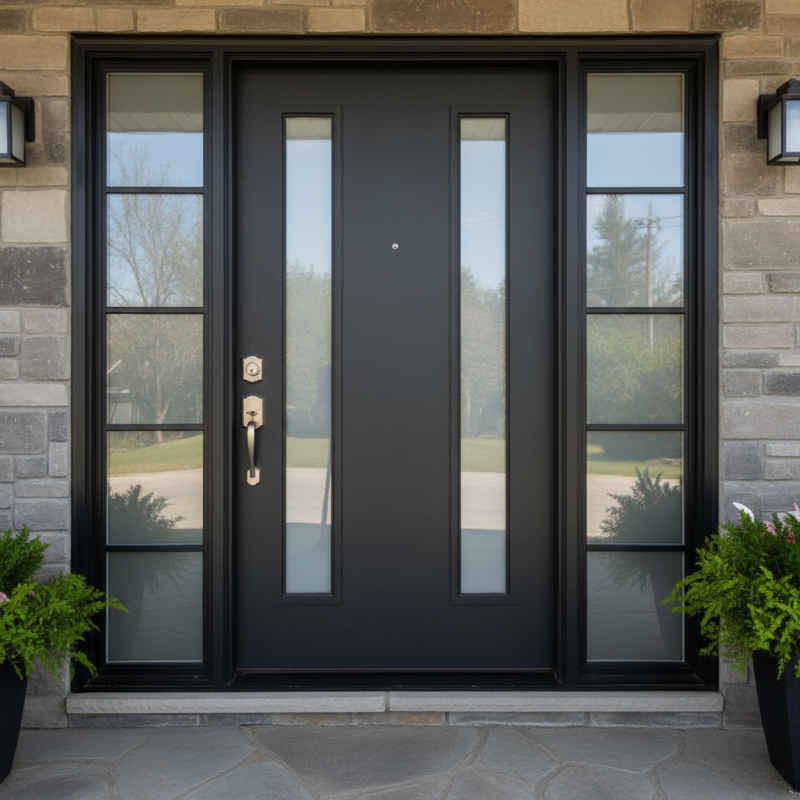
Factors to Consider When Choosing Residential Entry Doors
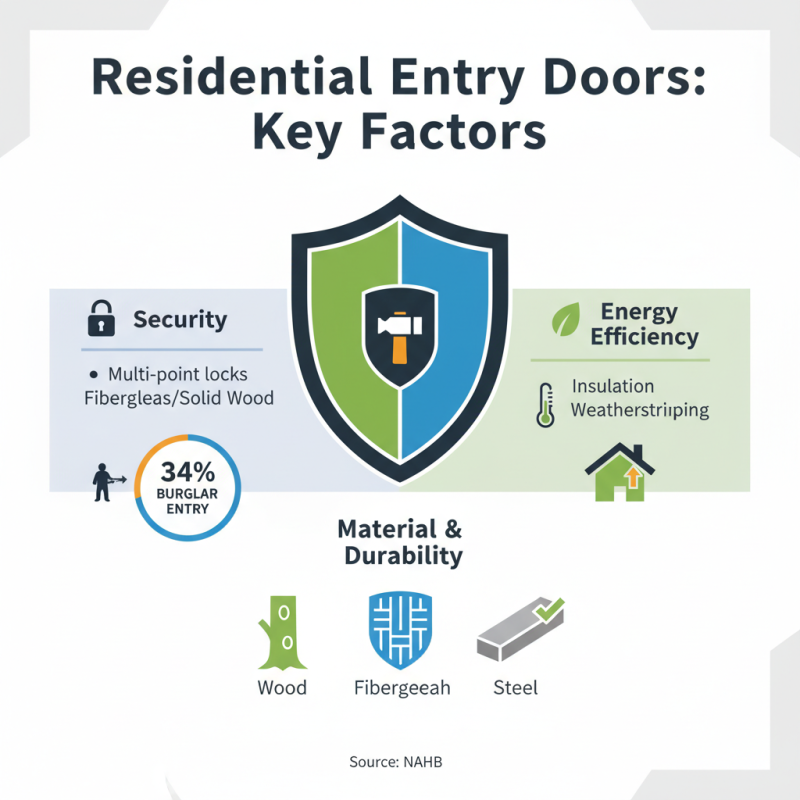
When selecting residential entry doors, multiple factors require attention. Security is crucial. According to the National Association of Home Builders, nearly 34% of burglars enter homes through the front door. Sturdy materials like fiberglass and solid wood can enhance security features. Look for doors with multi-point locking systems.
Energy efficiency is another essential consideration. The U.S. Department of Energy reports that doors account for a significant 10-20% of heat loss. Selecting doors with high R-values can improve insulation. This factor becomes increasingly critical in regions with extreme climates.
Aesthetics also play an important role. Your entry door should complement your home’s overall style. However, personal taste can sometimes clash with market trends, leading to potential future dissatisfaction. Always consider how the door will age. Fading and wear can detract from your home’s curb appeal over time. Balancing beauty and functionality can be challenging, but it's imperative.
Types of Materials Used for Residential Entry Doors
Choosing the right material for residential entry doors is crucial. The two leading options are wood and fiberglass. Wood offers a classic, beautiful look. It provides insulation and can be customized easily. However, it often requires regular maintenance. Over time, wood may warp or rot if not cared for properly.
Fiberglass, on the other hand, is durable and low-maintenance. It can mimic the appearance of wood but resists moisture, dents, and scratches. According to a recent report by the Door and Access Systems Manufacturers Association, nearly 60% of new homes feature fiberglass doors due to their longevity. They last longer and offer better insulation properties than wood, making them a popular choice.
Steel is another material often chosen for its strength and security. Steel doors come with a protective coating that resists rust and corrosion. They can be a practical choice for homeowners focused on security. However, they are prone to denting, and repairs can be challenging. Each material has its pros and cons, impacting the decision-making process. Homeowners should assess their specific needs and local climate conditions before making a choice.
Energy Efficiency and Insulation Ratings for Entry Doors
When selecting residential entry doors, energy efficiency and insulation ratings are crucial factors. According to the U.S. Department of Energy, over 30% of a home's heating and cooling energy can escape through windows and doors. A well-insulated entry door can significantly reduce this energy loss. The Energy Star program highlights that doors with high insulation values, such as R-5 and above, can enhance a home's energy efficiency.
It's important to consider materials. Steel doors generally offer better insulation compared to wood. According to reports, a well-constructed steel door can have an R-value of up to 6. This means that it resists the transfer of heat much more effectively during winter months. However, aesthetics may suffer if the design is not carefully chosen. Wood doors may provide charm but often fall short on insulation without proper treatment.
Moreover, look into the door's weatherization features. Proper seals and thresholds play a vital role. An unsealed door can allow drafts to enter, negating energy-efficient designs. According to the National Renewable Energy Laboratory, sealing gaps can improve energy efficiency by up to 20%. Therefore, pay close attention to the door's overall construction and installation. A minor oversight in quality can lead to significant long-term energy waste.
How to Choose the Best Residential Entry Doors for Your Home? - Energy Efficiency and Insulation Ratings for Entry Doors
| Door Material |
Energy Efficiency Rating |
Insulation Value (R-Value) |
Price Range (USD) |
| Fiberglass |
High |
R-5 to R-6 |
$1,200 - $2,500 |
| Steel |
Moderate |
R-3 to R-5 |
$800 - $1,800 |
| Wood |
Moderate to Low |
R-2 to R-4 |
$1,000 - $3,000 |
| Vinyl |
High |
R-5 to R-6 |
$900 - $2,200 |
| Aluminum |
Low |
R-1 to R-3 |
$700 - $1,500 |
Security Features to Look for in Entry Doors
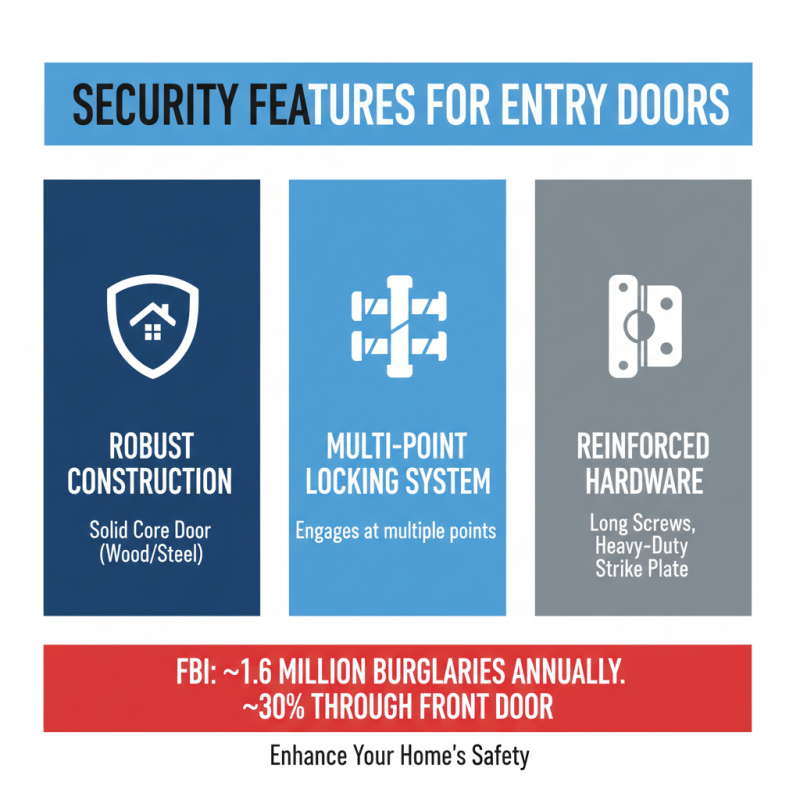
When selecting an entry door, security features play a pivotal role. A robust door can deter potential intruders. According to the FBI, around 1.6 million burglaries occur annually in the United States. Nearly 30% of these break-ins happen through the front door. Clearly, the right door can enhance your home's security.
Look for doors made from strong materials like fiberglass or steel. These are less likely to warp and provide greater resistance to forced entry. Reinforced frames also add a layer of security. Many experts recommend doors with at least a Grade 1 certification from the American National Standards Institute (ANSI). This level indicates strong resistance to physical attacks, providing peace of mind for homeowners.
Lock systems are equally vital. Opt for deadbolt locks with a minimum 1-inch throw. This can significantly increase your door's security level. Having a smart lock system offers added convenience and can be controlled remotely. However, remember that technology may fail intermittently. Regular maintenance of both the door and its locking mechanisms can ensure lasting security. It's essential to balance functionality with aesthetics while considering your entry door options.
Design Aesthetics and Customization Options for Entry Doors
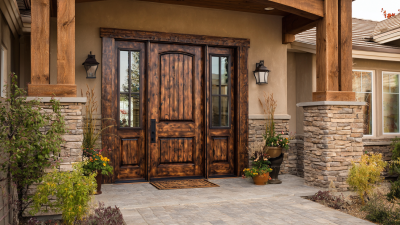
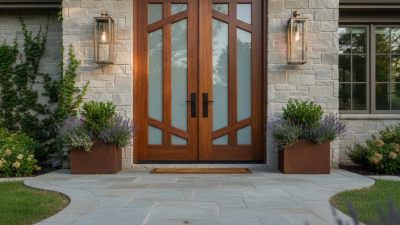
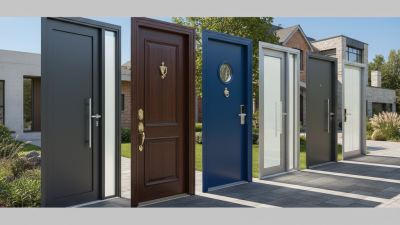
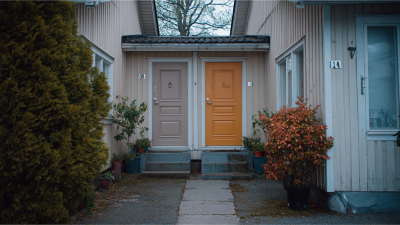
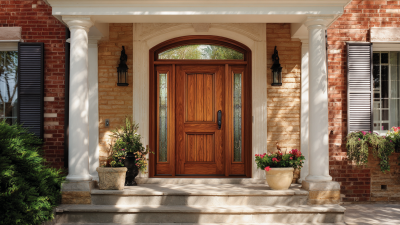
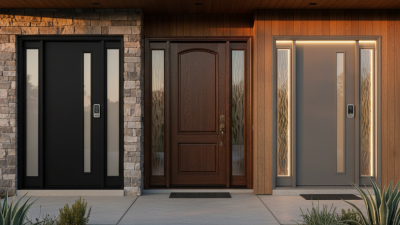
When selecting residential entry doors, design aesthetics play a vital role. They serve as the first impression of your home. Consider factors like color, material, and style. A bold color can make a statement. Subtle hues can offer elegance. Think about the architectural style of your home. A modern home may benefit from sleek lines, while a traditional home might look best with classic designs.
Customization options are essential in tailoring your entry door to your taste. You can choose from various materials such as wood, steel, or fiberglass. Each material has unique characteristics. Wood exudes warmth but may require more maintenance. Steel offers security but may lack warmth. Glass inserts can enhance natural light and beauty. However, striking a balance between aesthetics and functionality is crucial. It’s easy to get carried away with design, forgetting practicality.
Reflect on the window placement too. You want to ensure privacy while maximizing light. An ornate door may require more upkeep. Practicality might mean selecting simpler designs. Sometimes, your choices may not meet initial expectations. A door that looked great online may not translate well to reality. Regularly reassessing your option is important to find what truly suits your home.